October 30, 2026
From Crosswords to Brain Teasers: Exploring Different Ways to Practice Puzzles and Problem-Solving
Key Takeaways
- Puzzles and problem-solving offer everyday opportunities to explore curiosity, creativity and lifelong learning.
- At Claremont Manor in Claremont, CA, independent living creates space for connection, discovery and personal interests.
- Mental challenges become more meaningful when they encourage exploration, shared experiences and the freedom to learn at any stage of life.
Why Do We Keep Coming Back to Puzzles?
There is something quietly satisfying about sitting down with a crossword, following a challenging clue or finally discovering the answer to a brain teaser that has occupied your thoughts for an afternoon.
For people exploring independent living, puzzles and problem-solving can become part of a broader approach to everyday life. They offer ways to stay engaged with personal interests while creating opportunities for conversation, creativity and learning. At a Front Porch community, independent living is not defined by a particular routine or a single way of spending the day.
The Pleasure of Working Something Out
Some puzzles rely on language and memory. Others call for visual reasoning, patterns or creative interpretation. The variety matters because problem-solving is not a single skill expressed in a single format. It can take many forms, depending on a person’s interests and the questions they find compelling.
Consider a few possibilities:
- Crosswords and word games: Explore language, associations and the pleasure of finding an unexpected answer.
- Sudoku and number puzzles: Work with patterns, logic and step-by-step reasoning.
- Jigsaw puzzles: Combine visual observation with patience and an appreciation for the larger picture.
- Brain teasers and riddles: Approach familiar problems from unusual angles.
How Can Problem-Solving Become a Shared Experience?
A puzzle may begin as a solitary program, but it does not have to stay that way. A question passed between friends, a friendly debate about an answer or a group working through a particularly difficult challenge can transform thinking into connection.
When Curiosity Opens a Conversation
Shared puzzles create a natural reason to exchange ideas. Someone may recognize a word, remember an interesting fact or approach a problem in a way others had not considered. These small exchanges can lead to conversations that extend beyond the puzzle itself.
At a Front Porch community, connection and belonging are central to the broader experience of community life. Puzzles can contribute to that experience without needing to become formal lessons or structured competitions. A game of trivia, a word challenge or a collaborative puzzle may simply provide a starting point for people to spend time together.
What Does Claremont Offer Those Who Enjoy Lifelong Learning?
Claremont has a distinctive relationship with education, culture and the outdoors. The Claremont Colleges, Claremont Lewis Museum of Art and California Botanic Garden are among the destinations located near Claremont Manor. Claremont Village, also nearby, adds a walkable setting with shops and local character.
At Claremont Manor: Making Room for Discovery
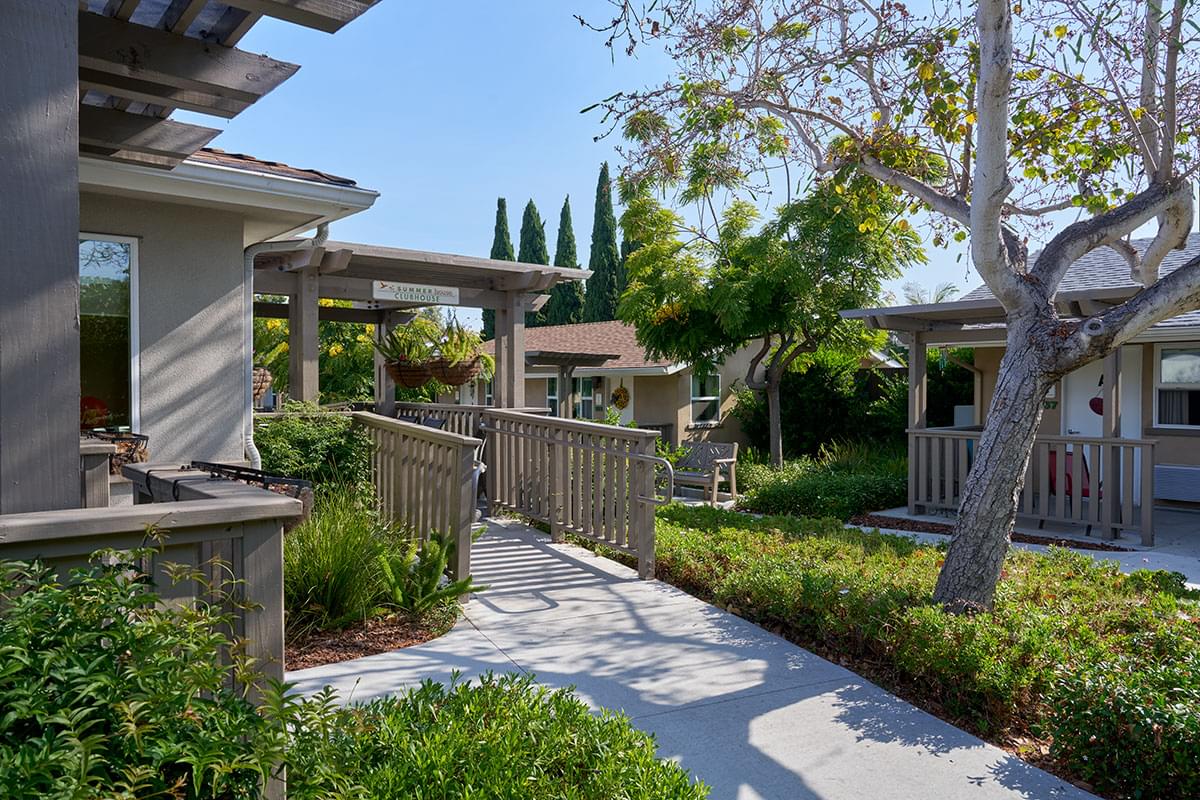
At Claremont Manor in Claremont, CA, the independent living experience is connected to a wider community setting that includes cultural attractions and natural beauty. The community describes its residences, dining and social opportunities as part of an environment designed around connection and possibility.
For someone interested in puzzles and problem-solving, this broader setting can be part of the appeal of independent living. Personal interests can coexist with social experiences, local exploration and opportunities to keep learning.
How Can We Approach Puzzles Without Turning Them Into a Task?
The language we use around mental life enrichment programs matters. When every crossword becomes an exercise in productivity or every brain teaser is treated as a test, we can lose sight of the simple pleasure that brought us there.
Letting Interest Guide the Experience
One person might prefer the order of Sudoku. Another might enjoy the wordplay of cryptic clues or the visual rhythm of a jigsaw puzzle. Someone else may find more pleasure in creating puzzles than solving them.
Independent living can offer the flexibility to make room for those preferences. The goal is not to follow a prescribed approach to learning but to maintain the freedom to explore what feels meaningful.
What Can Puzzles Teach Us About Aging Well?
A challenging puzzle offers a modest but revealing lesson: understanding often develops through patience, experimentation and a willingness to try again. Those qualities extend beyond games and into many aspects of everyday life.
At a Front Porch community, independent living can be understood as part of that larger opportunity to shape a life around interests, relationships and purpose. Puzzles are only one expression of it.
A Question Worth Keeping
Perhaps the most interesting question is not whether we can solve every puzzle placed in front of us. It is whether we continue finding questions worth exploring.
In Claremont, CA, the combination of cultural resources, community life and opportunities for personal discovery provides a fitting backdrop for that question. A crossword may take a few minutes. A lifelong interest can take us much further.
Discover More at Claremont Manor
Explore how Claremont Manor brings independent living, connection and lifelong learning into everyday community life. As a Front Porch community in Claremont, CA, it offers an opportunity to discover a setting where personal interests, shared experiences and new possibilities can have a place. Learning more can be the beginning of a thoughtful conversation about what comes next.
FAQs
Q1. What are some examples of puzzles and problem-solving programs?
Crosswords, Sudoku, jigsaw puzzles, riddles, trivia and logic games are all examples. Each offers a different way to explore patterns, language, reasoning or creativity.
Q2. How can puzzles support social connection?
Puzzles can create opportunities for people to exchange ideas, work together and enjoy friendly conversation. Group games and collaborative challenges can turn an individual interest into a shared experience.
Q3. Why is lifelong learning relevant to independent living?
Lifelong learning allows people to continue exploring interests, developing new skills and engaging with the world around them. Independent living can provide the flexibility to pursue those interests in ways that reflect individual preferences.
Read Our Front Porch Blogs
Purpose, Perspective, and P.L.U.C.K.: How Joe and Carol Danks Turn Philosophy into Local Impact
Front Porch in the Media: media highlights and news roundup from June-July 2026