September 26, 2025
Independent Living: Five Ways Seniors Can Give Back
The Benefits of Giving Back in Retirement
The shift from career to retirement raises questions about purpose and connection. Volunteering has become essential for many residents at independent living facilities in Claremont, CA for a meaningful retirement. Research shows that volunteering substantially benefits older adults, from physical health to emotional well-being.
The facts are clear: older adults who volunteer experience reduced mortality risk, better physical functioning and higher life satisfaction compared to those who don’t volunteer. These benefits go beyond staying busy—they represent real improvements in quality of life.
A renewed sense of purpose
Volunteering offers an ideal way to maintain autonomy for older adults in independent living communities while contributing meaningfully to society. At Claremont Manor, many residents channel their energy into meaningful pursuits, whether helping in the resident store, planning events or working on community task forces. Whether sharing professional expertise, offering companionship to others or supporting community causes, giving back provides profound benefits that enhance the retirement experience.
- Improve self-esteem and self-efficacy
- Release dopamine, promoting positive, relaxed feelings
- Create a sense of meaning and appreciation
1. Volunteer with Local Nonprofits at Claremont
Once you’ve decided to channel your experience into giving back, local nonprofits offer accessible paths that match your values with community needs. Residents at an independent living facility in Claremont, CA, understand that well—established organizations provide structure and support while creating space for genuine impact.
- Delivering food to homebound people is a simple yet impactful way to help. Volunteers pick up pre-made meals and follow a set route to give them, often providing the only social interaction some people have all day. In addition to providing nourishment, this daily contact offers a critical safety check that allows recipients to continue living independently.
- You can help people stay in their homes and communities by making necessary repairs and modifications. Opportunities beyond construction include administrative tasks, site support and working at donation centers that sell new and used goods. For those who enjoy traveling, there are even programs that combine travel with service, such as helping to rebuild communities after disasters.
2. Share Your Skills Through Mentorship
Decades of experience create opportunities to guide others who can benefit from your knowledge. Mentorship connects experienced adults with those seeking guidance—whether students working on reading skills or entrepreneurs launching their first business.
Becoming a mentor for residents at a senior living community in Claremont, CA offers intellectual engagement while creating meaningful connections across generations.
- Mentoring youth allows you to share your knowledge to help young people succeed. These programs, which often focus on literacy, have a broader impact, improving a child’s mental health, social skills and academic achievement. For mentors, it can provide a renewed sense of purpose and social connection while helping to maintain mental sharpness.
- Mentoring professionals allows you to guide others as they start their careers or businesses. You can offer valuable insight and help them avoid common mistakes. These relationships also benefit the mentor by providing intellectual stimulation and a heightened sense of purpose. Many organizations offer formal mentoring programs, but you can also find opportunities through digital platforms.
3. Support Community Events and Arts
Arts and cultural organizations provide meaningful ways for older adults to contribute while staying engaged. Many residents find that working with cultural institutions combines personal interests with community service. These opportunities create connections across generations while supporting local cultural life.
- Cultural and Arts Institutions: Museums, theaters and festivals often need volunteers for various roles. You can help as a gallery guide, lead tours, assist with administrative tasks or help preserve collections. Theaters rely on volunteers to greet patrons, distribute programs and usher. Festivals, in particular, often need general support and enthusiasm rather than specific experience.
- Event and Fundraiser Planning: Use your professional and personal skills to help organize community events or fundraisers. This could involve planning galas, benefit dinners or artistic showcases. Successful events need people to help with everything from securing sponsors and creating a budget to handling marketing, ticket sales, and event setup.
4. Help Other Older Adults Live Independently
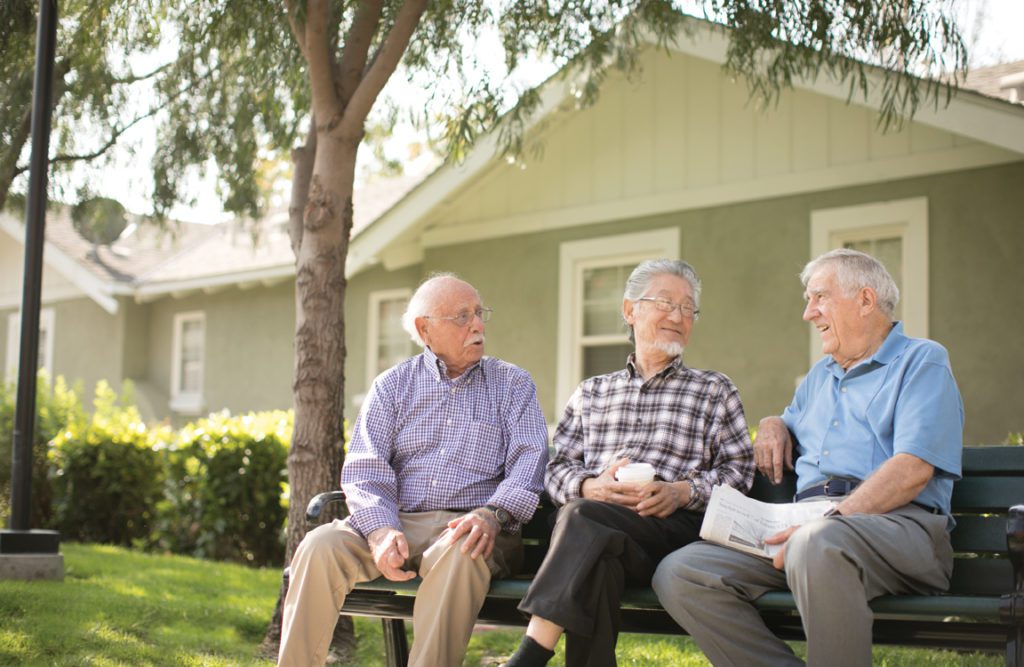
Peer support represents one of the most potent ways to make a difference in independent living in Claremont, CA. As someone who understands the experience of aging, you possess unique insights that can profoundly impact the lives of fellow community members.
- Provide companionship: Social isolation can pose serious health risks for older adults. You can significantly improve an older adult’s quality of life and even reduce symptoms of depression just by offering a friendly visit and conversation. Many programs help match volunteers with people who need regular social interaction.
- Offer transportation: One of the biggest challenges to independent living for older adults is transportation. Volunteer drivers can help people attend medical appointments, social engagements or run errands. This is especially vital in rural areas where public transit is limited. Options range from using your car for rides to driving a shared community vehicle and many programs offer mileage reimbursement.
5. Get Involved in Environmental or Animal Causes
Nature offers meaningful ways for older adults to contribute while enjoying fresh air and forming genuine connections. Community members at a retirement community often find that environmental and animal volunteering provides purpose alongside personal fulfillment.
- You can contribute to parks and conservation efforts in various ways, such as restoring habitats, assisting with research or leading educational nature walks. Volunteer programs at both the national and state levels offer flexible options for people of all ages.
- Animal shelters need volunteers to help care for animals by walking and socializing with them, providing companionship and assisting with adoption events. Special programs also pair older adults with older pets.
- For those who enjoy traveling, there are opportunities to volunteer with wildlife conservation efforts, such as monitoring endangered species or restoring habitats.
Staying Involved and Giving Back at Claremont Manor
At Claremont Manor, residents have many ways to stay connected and make a difference in their community. Whether your passion is helping others, sharing your skills or protecting the environment, you’ll find a meaningful outlet for your energy and experience. Our community provides a lively and active lifestyle that supports your desire to contribute and connect with others.
Ready to explore a retirement community that values your experience and passion for service? We invite you to tour Claremont Manor and discover how you can continue to live a purpose-filled life.
Call us at (909) 626-1227 to schedule your visit or visit our website.
FAQs
Q1. What are some ways seniors can volunteer in their community?
Seniors can volunteer with local nonprofits, mentor youth or new professionals, support community events and arts, help other seniors maintain independence or get involved with environmental and animal causes. Even simple acts like offering companionship or transportation to fellow seniors can make a big difference.
Q2. Can seniors with limited mobility still contribute through volunteering?
Absolutely. There are many volunteer opportunities suitable for seniors with limited mobility, such as mentoring over the phone or online, helping with administrative tasks for nonprofits, or participating in seated activities at local community centers. Many organizations are happy to accommodate volunteers with different physical abilities.
Read Our Front Porch Blogs
Older Americans Month 2026: Championing Your Health at Front Porch
Investing in community: the story of David and Jane Kretzmann