October 24, 2026
Growing Together in a Community Vegetable Garden

Key Takeaways
- A vegetable garden can encourage sensory discovery, purposeful participation and natural conversation.
- Fredericka Manor, a Front Porch community in San Diego County, combines landscaped surroundings with memory care.
- Respecting individual choice means welcoming interest and accepting a change of mind.
A vegetable garden can hold particular meaning within the wider life of a memory care community. It offers many ways to participate, from watering a plant or touching the soil to observing what has changed since the last visit.
A vegetable garden offers a setting for these everyday choices within memory care. The starting point is the person: what interests them and how they would like to participate.
How Can a Garden Invitation Begin With Personal Preference?
An interest in gardening does not determine how someone wants to spend every visit. A longtime gardener may prefer company to a task, while a newcomer may want to try planting.
Leaving these possibilities open allows present wishes to guide the experience. The garden provides options; each person helps determine which ones matter.
The Seasons Offer a Gentle Sense of Continuity
Gardens make time visible. Seeds emerge, flowers open and vegetables ripen. One season prepares the ground for another.
In San Diego County, the weather makes outdoor spaces enjoyable across the seasons. This progression can offer a reassuring rhythm without demanding that anyone to remember a schedule or follow a complicated sequence.
A person can encounter the garden exactly as it is that day. A new leaf, a bright blossom or a change in the weather provides something immediate to notice and share.
How Can Gardening Encourage Meaningful Participation?
Purpose often grows from small acts. Filling a watering can, sorting seed packets or checking whether a vegetable is ready to pick can offer a clear role within a shared social program.
Simple Tasks Leave Room for Personal Choice
Gardening does not have to mean managing an entire plot. Participation can take many forms. Someone may enjoy working with the soil, while another person prefers looking at colors, smelling herbs or talking about foods associated with the harvest.
This variety of choices makes gardening a great experience in a memory care community.
Each person can participate in a way that feels comfortable, from briefly enjoying the surroundings to spending more time tending plants.
Gardening Creates Easy Openings for Conversation
Working around plants gives people a shared focal point, which can make interaction feel more relaxed. The fragrance of an herb, the color of a ripening vegetable or a new sprout can naturally inspire comments, questions and memories.
These observations can create opportunities for connection, giving people something to experience together.
The result does not need to be a profound exchange. A shared laugh, a moment of curiosity or a simple observation can carry its own significance.
What Can the Senses Discover in a Garden?
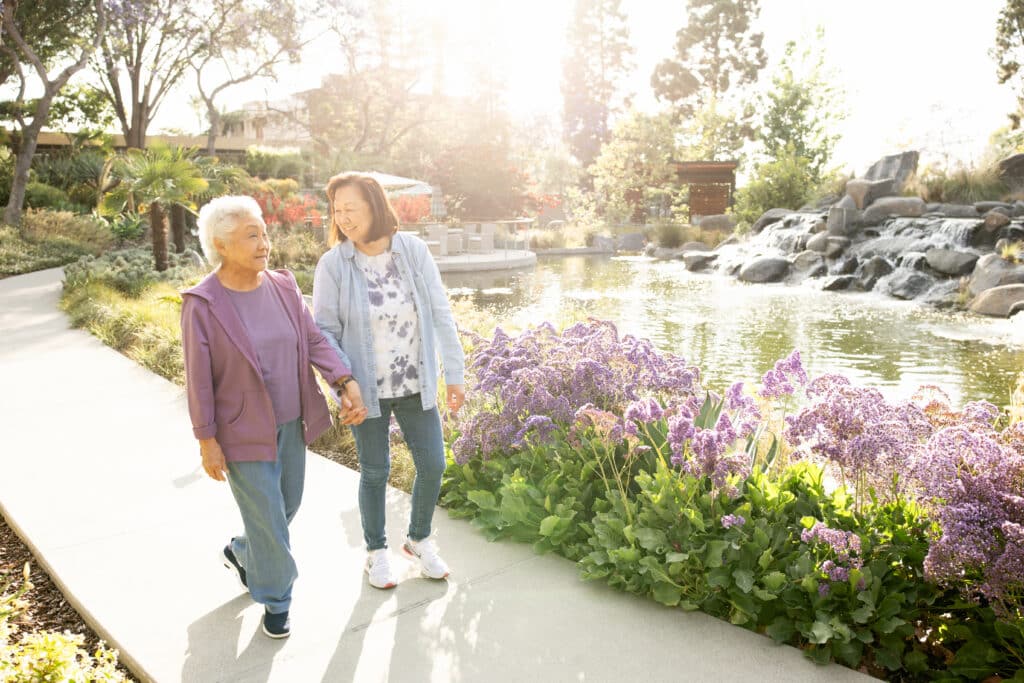
Gardens engage several senses at once. Leaves may feel smooth, fuzzy or crisp. Herbs release their fragrance when touched. Vegetables change shape and color as they mature. Birds, insects and moving water contribute sound and motion.
These details make a garden an especially rich environment for exploration. They invite people to interact with the world through direct experience rather than abstract instruction.
Experiencing the Garden Through the Senses
For a person living with dementia, a garden can offer gentle ways to engage through sight, touch and fragrance. The experience should encourage exploration rather than test memory or the ability to name different plants.
The scent of an herb might prompt conversation, while colorful blooms or cool soil can be enjoyed in the moment. Each person may respond differently and the meaning comes from having the freedom to notice, feel and participate in a personal way.
How Does Nature Shape Life at Fredericka Manor?
At Fredericka Manor, a Front Porch community in San Diego County, nature is woven into the physical setting. While providing memory care for people living with Alzheimer’s or dementia, its approach emphasizes connection and incorporates engagement technologies within the memory care community.
The vegetable garden is one of several amenities across the campus, contributing to an environment where greenery and everyday outdoor experiences with nature are woven into community life.
A Garden Can Reflect the Character of a Place
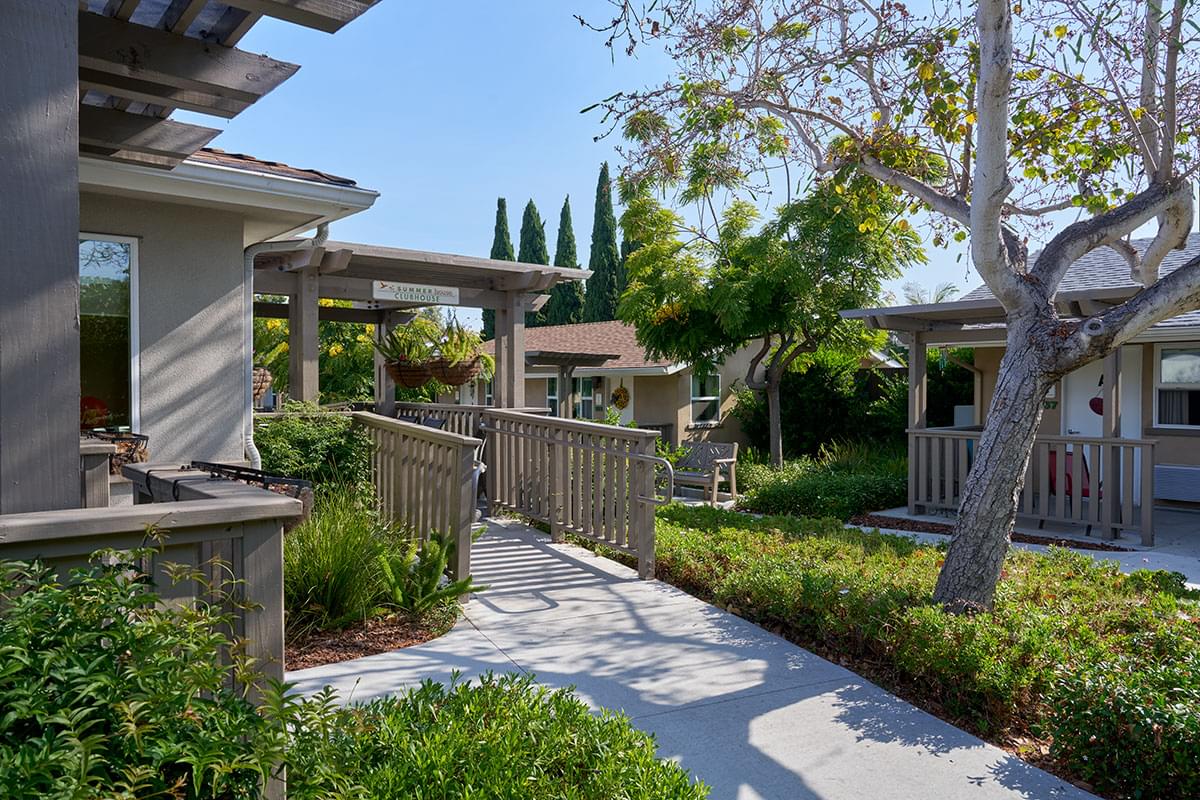
Fredericka Manor’s setting feels connected to Chula Vista and the larger landscape of San Diego County. Gardens, walking paths and mature trees soften the boundaries between indoor community life and the outdoors.
This environment offers more than visual beauty. It creates places where people can pause, observe and spend time with others. These ordinary opportunities help a community feel lived-in, personal and connected to its surroundings.
Discover More at Fredericka Manor
Explore Fredericka Manor, a Front Porch community, to learn how memory care, thoughtfully designed surroundings and opportunities for connection come together in Chula Vista.
A closer look at the campus can help your family understand how nature, meaningful engagement and personalized support contribute to a community where each person’s interests and individuality remain important.
FAQs
Q1. Can people living with dementia participate in gardening?
Yes, gardening programs can be adapted to reflect a person’s interests, comfort and abilities. Participation may include watering plants, handling vegetables, observing growth or simply spending time in the garden.
Q2. Does gardening improve memory?
Gardening should not be presented as a treatment or guaranteed way to improve memory. Its value may come from sensory engagement, movement, personal enjoyment and opportunities to connect with others.
Q3. Does Fredericka Manor have a vegetable garden?
Fredericka Manor includes flower and vegetable gardens among its amenities on its 24-acre campus, giving residents a welcoming setting to connect with nature, take in fresh air and enjoy outdoor recreation.
Read Our Front Porch Blogs

Purpose, Perspective, and P.L.U.C.K.: How Joe and Carol Danks Turn Philosophy into Local Impact
Front Porch in the Media: media highlights and news roundup from June-July 2026