

September 26, 2026
The Quiet Purpose of Butterfly Gardening
Key Takeaways
- Engaging in butterfly gardening offers a meaningful way to connect with nature and support local ecosystems.
- Residents at Friends House in Santa Rosa, CA, find daily inspiration and purpose in cultivating these vibrant outdoor spaces.
- Designing habitats for pollinators transforms a simple landscape into a dynamic environment of continuous discovery.
There is a distinct kind of silence that settles over a garden on a warm afternoon. It is not an empty quiet but a vibrant one, filled with the rustle of leaves and the subtle hum of insects at work. In places like Santa Rosa, CA, where the climate generously supports a wide variety of flora, spending time outdoors offers a direct line to the rhythms of the natural world.
Creating spaces with pollinators in mind requires a shift in perspective. It asks us to look beyond mere aesthetics and consider how our environment sustains life. This is the essence of butterfly gardening. It transforms a passive landscape into an active and thriving habitat.
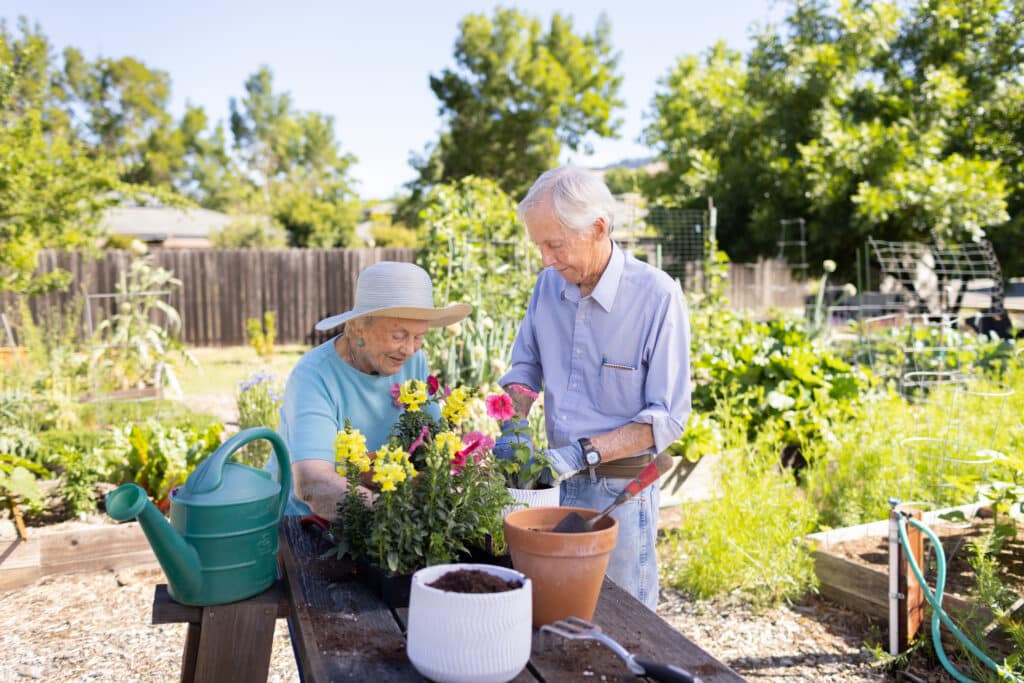
For those exploring an assisted living environment, having access to these intentional green spaces provides real benefits. It allows individuals to engage with nature in a personal way. Whether planting milkweed or simply watching a monarch navigate the breeze, we find an enduring sense of purpose in the soil. The act of tending to the earth grounds us in the present moment.
Why Do We Cultivate Spaces for Nature?
The Ecosystem in Miniature
When we plant specific flowers to attract local pollinators, we are doing much more than decorating a yard. We are participating in a complex ecological exchange. The vibrant orange California poppy or the deep purple blooms of native sage become vital waystations for traveling species.
Observing this process provides a daily reminder of our interconnectedness. Humans have always found solace in watching life unfold. A well-tended garden offers a front-row seat to this continuous cycle of growth and renewal. The visual contrast of a bright painted lady resting on a dark green leaf captures the attention and quiets the busy mind.
The Practice of Gentle Stewardship
Taking care of a living thing brings structure and meaning to our days. Cultivating a pollinator space requires attention to the changing seasons and an understanding of what different species need to thrive.
This active stewardship challenges the mind and keeps curiosity sharp. Learning which native plants best support local butterfly populations is an exercise in lifelong learning. It reinforces the truth that we are always capable of nurturing the world around us. Digging in the soil and carefully watering new sprouts are tactile experiences that connect us directly to the physical environment.
How Does Shared Observation Create Community?
Conversations Rooted in the Soil
Nature provides a universal language. When neighbors cross paths near a blooming lavender bush, the conversation naturally turns to the environment. They might notice a sudden influx of swallowtail butterflies or discuss the progress of a newly planted sunflower.
These unscripted moments build genuine camaraderie. The garden becomes a communal focal point where people gather naturally. A shared appreciation for the outdoors breaks down social barriers and fosters a sense of belonging among peers. You do not need to schedule a meeting to connect over the beauty of a blossoming flower.
The Bond of Quiet Appreciation
Even without speaking, sharing a bench and watching a butterfly land on a nearby petal is a meaningful experience. The simple act of observing nature together creates quiet bonds that strengthen the social fabric of a community.
These shared moments anchor the day. They provide a predictable but ever-changing focal point for social interaction. Friends can compare notes on which blooms are attracting the most activity, turning a solitary hobby into an ongoing collaborative project.

What Can You Discover at Friends House?
At Friends House, a Front Porch community located in Santa Rosa, CA, the seven-acre garden campus reflects a respect for both the environment and the individuals who live there. With more than 100 fruit trees, a creek path, a community garden and personal garden spaces, the grounds invite interaction, exploration and peace.
The philosophy of assisted living here goes beyond standard support. Rooted in the Quaker values of simplicity, peace, integrity and equality, it emphasizes the importance of a rich and engaging environment that honors personal interests and values. Butterfly gardening is a natural extension of this ethos. It gives residents a meaningful way to engage with the local ecology.
Being surrounded by thriving, intentional landscapes reminds us that our capacity for connection never diminishes. The community understands that fostering a healthy environment directly supports a healthy and fulfilling human experience. Every corner of the campus invites residents to step outside, take a deep breath and reconnect with the vibrant life all around them.
Discover More at Friends House
Some of life’s most rewarding moments happen outdoors, among the things we help grow. At Friends House, we cultivate an environment where purpose and community thrive together. Explore how our thoughtful approach to assisted living supports your passions and values. We invite you to continue the conversation and explore the gardens, fruit trees and creek path waiting for you on our campus.
FAQs
Q1. Why is engaging with nature important for daily wellness?
Spending time outdoors and observing natural ecosystems can help lower stress and lift mood. It provides a daily dose of tranquility and a meaningful sense of connection to the broader world.
Q2. How do community gardens support social connection?
Shared green spaces act as natural gathering points. They encourage organic conversations, mutual learning and a shared sense of environmental stewardship among neighbors.
Q3. Does the community environment encourage lifelong learning?
Absolutely. Cultivating specific habitats requires ongoing curiosity and adaptation. The community environment actively supports residents who wish to learn about local ecology and try new gardening techniques.
Read Our Front Porch Blogs

Front Porch in the Media: media highlights and news roundup from June-July 2026

Extending the legacy: the impact of scholarships