

October 21, 2026
The Art of Balance in Farm-to-Table Dining
Key Takeaways
- Farm-to-table dining involves balancing flavors, textures and temperatures so each part of a meal contributes to the experience.
- At Webster House, a Front Porch community in Palo Alto, CA, dining offers a setting for exploring the relationship between culinary craft and personal taste.
- A satisfying meal can hold several pleasures at once: contrast, variety and the feeling that everything belongs together.
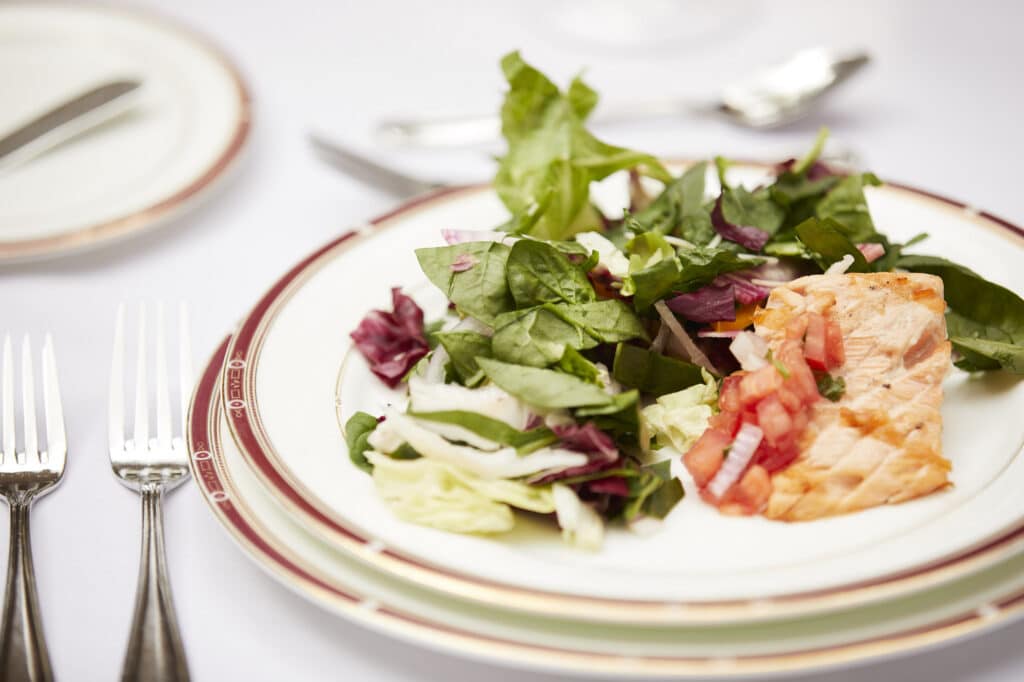
Sometimes the most satisfying part of a meal is the way one bite changes the next. A crisp accompaniment makes a creamy dish more interesting. A bright dressing refreshes the palate after something rich. Neither needs to command attention for the combination to work.
This quieter side of culinary craft gives farm-to-table dining another dimension. Beyond choosing ingredients, a cook considers how they will taste together and how the experience unfolds across a plate.
How Do Contrasts Make a Meal Feel Complete?
Richness has its pleasures, but an entire plate of rich food can begin to taste much the same. Contrast gives the palate something else to notice. A tart element can interrupt that sameness, while a crisp texture changes the rhythm of eating.
Balance does not require every component to have equal weight. One flavor may lead, while another quietly supports it. The pleasure comes from their relationship.
What a Squeeze of Lemon Changes
A few drops of lemon can change a spoonful of creamy soup, adding brightness alongside richness. Texture offers another contrast: toasted breadcrumbs give tender vegetables a crisp finish, while a cool accompaniment brings variety to a warm dish.
Culinary balance depends on knowing what to add, how much to use and when a dish has enough. Yet balance is also personal. Some people prefer sharper flavors or more crunch; others enjoy gentler combinations. A thoughtfully composed menu makes room for those differences, offering dishes that reflect the cook’s judgment while respecting the preferences each person brings to the dining table.
How Does a Menu Balance Discovery With Familiarity?
Many people enjoy trying something new and returning to a favorite. A thoughtfully composed menu makes space for both appetites.
An Invitation to Try, With Room to Decline
Curiosity is personal. An unfamiliar preparation may interest one diner and hold little appeal for another. Neither response needs correcting. A menu can offer possibilities while leaving the decision with the person who will eat the meal.
Clear descriptions help. Knowing whether a dish is roasted or braised, mildly seasoned or peppery, gives someone a way to imagine it before ordering. The language of a menu becomes part of its hospitality.
Food preferences carry history: meals cooked for family, flavors discovered while traveling and combinations enjoyed simply because they taste good.
Dining in luxury, independent living should respect that knowledge. Trying something new can be a pleasure, but choosing a favorite is equally meaningful. Farm-to-table dining becomes more welcoming when culinary ambition and the diner’s judgment share the same table.
How Does Regional Sourcing Shape Dining at Webster House?
At Webster House, a Front Porch community in Palo Alto, CA, independent living includes restaurant-style dining, a flexible dining points system and an outdoor patio. Its dining offerings feature produce from local farmers and locally sourced seafood through the Boat2Table program.
The Peninsula Beyond the Dining Room
Webster House is near the restaurants and shops of University Avenue. For someone making a home in Palo Alto, CA, dining is part of both community life and the surrounding neighborhood.
A home-cooked meal and an outing to a nearby restaurant can satisfy different wishes. One offers the ease of staying close; the other brings the pleasure of exploring. Independent living leaves room for those individual choices.
Within this setting, local sourcing gives the menu a connection to the wider region. It also invites a useful kind of curiosity about the meal: where an ingredient came from, why a preparation suits it and what makes its flavor distinctive.
Care for Food Beyond the Plate
Webster House also participates in Chefs to End Hunger to help combat food waste. That commitment adds another consideration to the craft of dining: how a kitchen values the food entrusted to it.
Thoughtfulness includes what happens before service and what remains afterward.
A memorable meal begins well before anyone sits down. Its pleasures may feel effortless, but careful decisions make them possible.
Discover More at Webster House
Explore Webster House, a Front Porch community and learn how independent living makes room for good food, personal interests and familiar company. Ask about the current menu, dining choices and local sourcing. Those details can help you imagine the meals you would look forward to and the conversations you might enjoy around the table.
FAQs
Q1. Does Webster House feature locally sourced ingredients?
Yes. Webster House features produce from local farmers and offers locally sourced seafood through its Boat2Table program.
Q2. What dining options does Webster House offer?
Webster House offers restaurant-style dining, a flexible dining points system and an outdoor patio. Ask the team how the points system works and what current menus include.
Q3. What should I ask about a farm-to-table menu?
Ask which ingredients come from local sources, how availability influences dishes and what choices accommodate your preferences. A sample menu can make the discussion more specific.
Read Our Front Porch Blogs

Purpose, Perspective, and P.L.U.C.K.: How Joe and Carol Danks Turn Philosophy into Local Impact

Front Porch in the Media: media highlights and news roundup from June-July 2026