February 9, 2026
Heart to Heart: Talking with Seniors About Downsizing and Relocating

Initiating conversations about a senior living community in Pasadena, CA is an act of proactive care. Rather than a loss of space, downsizing is a vital “rightsizing” process that prioritizes lifestyle over maintenance. When approached with patience, this transition reduces stress and opens doors to new social and wellness opportunities in the heart of Southern California.
Tips for Starting the Conversation
“How do I talk about moving to a senior community without making my mom feel old?”
Navigating downsizing conversations with aging parents requires emotional intelligence, strategic timing and a focus on empowerment rather than loss.
This guide offers practical ways to have these meaningful conversations while honoring your parents’ wisdom and autonomy. Your goal isn’t to convince—it’s to explore possibilities together as a family.
These conversations feel delicate because they touch the heart of your loved one’s independence and sense of identity. Approaching the topic as a caring adult child who respects your mom’s wisdom, while exploring what might bring her greater joy and peace of mind, is key to productive communication.
Why early conversations are less stressful
Discussing the benefits of senior communities before any crisis arises gives everyone breathing room to think clearly, as well as contribute their honest thoughts and questions. Families who begin these discussions early experience much less stress than those who rush into decisions after a health emergency. Your role becomes that of a thoughtful supporter, not someone pushing an agenda.
How to frame it as a lifestyle upgrade
Today’s senior communities bear little resemblance to outdated “nursing homes” (Hou & Cao, 2021). Approach this conversation as discussing a change in lifestyle that removes daily burdens while adding new, enriching experiences. Consider highlighting how community living offers added benefits:
- Freedom from weekend yard work and home repairs
- More time for the life enrichment and hobbies that truly matter
- A supportive environment that enhances independence and builds new relationships
When you paint a picture of life becoming “more fulfilling and worry-free,” the conversation naturally focuses on gains rather than losses.
Using examples of friends or neighbors who’ve moved
Stories from others often open hearts more gently than direct suggestions. You might share: “My friend Mary mentioned her mom moved to a retirement community last year. Mary says her mom is more active now and has made wonderful new friends. Have you ever thought about what your ideal living situation would look like?” This approach feels like sharing good news, rather than suggesting your mom needs to change.
Avoiding age-related language
Your words shape how your mom feels about herself and this potential transition. The World Health Organization has found that ageism significantly impacts older adults‘ well-being. Skip terms like “elderly” or “the aged”. Also, avoid phrases like “still working” or “for your age,” which suggest surprise at someone’s abilities. Simply use “older adults” or call people by their names.

How Do I Bring Up Downsizing Without Sounding Pushy?
Timing matters more than words
Choose your moment carefully. Holiday chaos, family stress or fresh medical appointments make poor backdrops for important discussions. Find a peaceful afternoon when you both feel relaxed and unhurried, which both honors the importance of the conversation and shows respect for your loved one’s likely complicated feelings.
Use casual ‘micro-conversations’
Break this big topic into smaller, manageable pieces spread across weeks or months. Watch for natural openings, such as maybe when Mom mentions the effort required for home maintenance challenges or Dad expresses frustration with managing yard work. These gentle, bite-sized conversations feel less overwhelming than one major discussion.
Conversation starters that feel natural
These phrases can open doors without applying pressure:
- “Would you like help sorting through items in rooms you rarely use?”
- “How are you feeling about managing the house these days?”
- “What would make your daily life more comfortable?”
Using ‘I’ statements to reduce defensiveness
Share your perspective rather than making judgments about their capabilities. Try “I’ve been thinking about your safety and I worry about you managing the stairs every day” instead of “This house is too big for you”. Similarly, say “I want to see you enjoy retirement without yard work stress” rather than “You can’t handle this house anymore”.
A Place to Thrive
These conversations about downsizing work best when they happen gradually, with plenty of room for questions and concerns along the way. Your parents’ feelings about this transition deserve the same attention you give to the practical details of sorting and moving.
The goal was never about convincing anyone to move. Instead, these heart-to-heart conversations create space for older adults to envision how life might feel different (and perhaps better!) in a community setting designed around their needs and interests.
Ready to explore what independent living in Pasadena could look like? Contact us at (626) 463-5300. We’d love to show you how Villa Gardens supports the relationships, interests and sense of belonging that matter most to you.
FAQs
Q1. How do I bring up downsizing with my parents without stressing them out?
Start small and keep it relaxed. You can open the door by talking about their future plans or what they want life to look like in the next few years. Try framing downsizing as a way to simplify life and gain more freedom, rather than giving something up. Sharing positive examples of friends or neighbors who’ve downsized successfully can also make the idea feel more approachable.
Q2. Why is downsizing so emotional for many seniors?
For many seniors, their home and belongings are deeply tied to memories, identity and independence. Letting go can feel like letting go of parts of their life story. There’s often fear around losing control or leaving a familiar space. Acknowledging those feelings—and not rushing the process—can go a long way in making downsizing feel more manageable.
Q3. How can I talk to my parents about moving to a retirement community?
Approach the conversation as an exploration, not a decision that has already been made. Use language like “options,” “support,” or “what might make life easier,” instead of focusing on limitations. Ask open-ended questions about what they want for their future and share how a retirement community could support those goals—whether that’s more social time, fewer household worries or added peace of mind. Keeping the conversation ongoing and collaborative helps build trust and reduce resistance.
Read Our Front Porch Blogs

Investing in community: the story of David and Jane Kretzmann
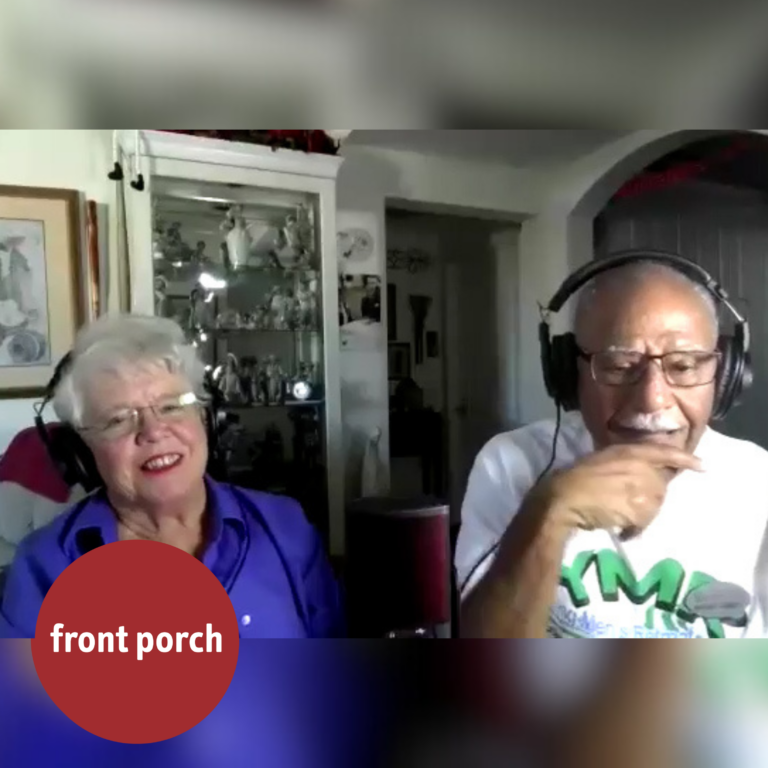
Front Porch Podcast – Episode 8: Belonging: The Heart of Community—with Arthur Liggins & Candace Young-Schult