

February 16, 2026
Retirement Communities: Discuss Downsizing Without a Fight
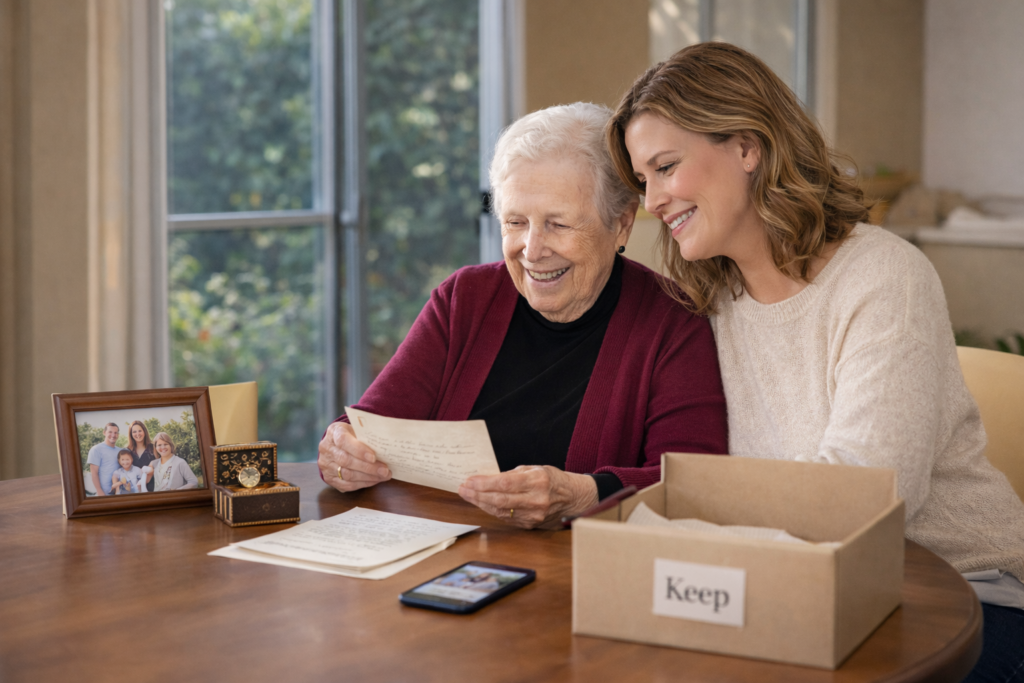
A successful transition for seniors to a smaller home relies heavily on partnership. This approach changes what could be a tense situation into a shared family project. Moving to retirement communities in Pacific Grove, CA, becomes easier when families work together. This creates room for practical progress. The topic of downsizing can feel like stepping into an emotional minefield when it comes to aging parents.
Navigating the downsizing conversation with aging parents requires strategic timing, empathy, and collaboration to transform potential conflict into a meaningful family journey.
The right timing and approach make all the difference. Early conversations about independent living options and retirement changes, before any crisis hits, allow everyone to consider options carefully. Using the word “rightsizing” instead of “downsizing” changes how people view the process. This subtle change highlights the benefits of a more manageable lifestyle that fits current needs.
What Emotional Barriers Hinder Downsizing For Retirement Communities?
Downsizing means much more than a physical move for seniors—it’s an emotional trip through decades of memories. The primary barriers are the fear of losing independence and the grief of leaving a family home. For many seniors, their house is tied to their identity and history, so downsizing feels like erasing their past rather than just a move.
This emotional weight often leads to “possession paralysis,” where the anxiety of letting go of sentimental items blocks the practical decision to move to retirement communities. They often deal with sadness, sleep problems, and temporary depression. These reactions match other big life losses because:
- Their homes hold decades of personal history and independence
- Their belongings anchor memories, especially as cognitive changes occur
- Letting go makes them fear losing memories and life experiences
- They worry about keeping the family together without the “home base” that brought generations together
Seniors build strong emotional bonds through what psychologists call the “endowment effect”—they believe items have extra value just because they own them. Even small items become precious links to their life stories.

The difference between rightsizing and downsizing
People see downsizing as “moving into less,” while rightsizing means “moving into what fits just right”. This difference changes how people think about the move:
- Downsizing feels like a loss when people must give up possessions and move to smaller spaces due to financial or health constraints.
- Rightsizing strengthens seniors by helping them create a lifestyle that aligns with who they are now and by reducing stress.
The focus shifts from having less to creating spaces that match their current goals and dreams.
How Can We Make The Process Feel Collaborative, Not Forced?
The key lies in focusing on choice rather than necessity. Seniors might resist or become angry when they feel they’re losing control. You should present options as possibilities to explore together rather than as final decisions. Simple phrases make a difference – “We want to explore options together” or “Your priorities will guide any decisions” help maintain their sense of independence.
Involving siblings and family early
The family should align their approach before talking to parents. Regular family meetings help everyone understand concerns and agree on next steps. Here’s what helps:
- Talk about observations and agree on a caring strategy
- Share the work of researching and visiting communities
- Keep the sorting process transparent
Letting parents lead the decision-making
Parents feel more in control when they research and compare options with you. They should pick their preferred community whenever possible. Visit different places together. Write down what they like and help them evaluate different choices.
Transforming a Challenge into a Shared Family Journey
Aging parents face a substantial life change when downsizing to independent living communities, but the right approach can turn potential conflicts into a meaningful experience. Your parents’ emotional bond with their home extends beyond its walls. Their house represents their identity, memories, and independence.
Retirement communities often pleasantly surprise seniors with unexpected perks. New social bonds, freedom from house maintenance, and proper support can boost their independence.
A study published by the National Institutes of Health found that older adults who actively participate in social life enrichment within these communities report significantly higher life satisfaction and lower levels of social isolation compared to their peers (Winstead et al., 2014).
This challenging change gives families a chance to grow closer. Sharing stories while sorting keepsakes, solving problems together, and working toward comfortable living arrangements can strengthen bonds between generations. Need guidance tailored to your situation? Call Canterbury Woods at (831) 373-3111 for caring downsizing support.
FAQs
Q1. How can I bring up downsizing with my parents without creating tension?
It helps to start the conversation early—well before a health issue forces quick decisions. Try framing it as “rightsizing” rather than downsizing, and focus on the benefits, like easier living and the right level of support. Lead with empathy, ask open-ended questions, and let your parents stay in the driver’s seat so they feel respected and in control.
Q2. How can I support my parents emotionally during the downsizing process?
Downsizing can stir up real grief, and that’s completely normal. Give your parents space to talk about the memories tied to their belongings and really listen. Sharing stories, digitizing photos, or recording family memories can help preserve what matters most. Remember, this process is about honoring their life experiences—not just clearing out a home.
Q3. Why do small household items make moving so hard?
Often, it’s psychological. Many seniors experience the endowment effect, in which items feel more valuable simply because they’ve owned them for years and have tied them to life memories. There’s also something called possession paralysis, where the emotional weight of deciding what to keep or let go feels overwhelming. That stress can stall decisions and even lead to anxiety or sadness, which is why patience and compassion matter so much.
Read Our Front Porch Blogs

Investing in community: the story of David and Jane Kretzmann
Front Porch Podcast – Episode 8: Belonging: The Heart of Community—with Arthur Liggins & Candace Young-Schult