September 24, 2025
Five Healthy Aging Tips After Fifty in La Jolla, CA
Your fifties mark a pivotal moment when thoughtful health choices create a lasting impact on your quality of life. For residents exploring senior living in La Jolla, CA, this next chapter brings opportunities to build habits that support vitality for decades ahead. This life stage calls for nurturing both body and mind with equal attention. This guide presents ten approaches to enhance your wellbeing after fifty. Whether you’re considering assisted living or healthy living options, these strategies will help you embrace this chapter with purpose and energy.
1. Start Moving More Every Day at Casa de Mañana
Physical activity becomes essential as you enter your fifties and beyond—not just beneficial, but crucial for maintaining independence and overall health. The encouraging news? You can break this into manageable pieces throughout your week.
Simple ways to stay active
Building better health doesn’t demand marathon training or heavy weightlifting. Consistency trumps intensity, particularly when you’re beginning this journey. Remember: some physical activity beats none at all. Even modest increases in daily movement deliver meaningful health benefits.
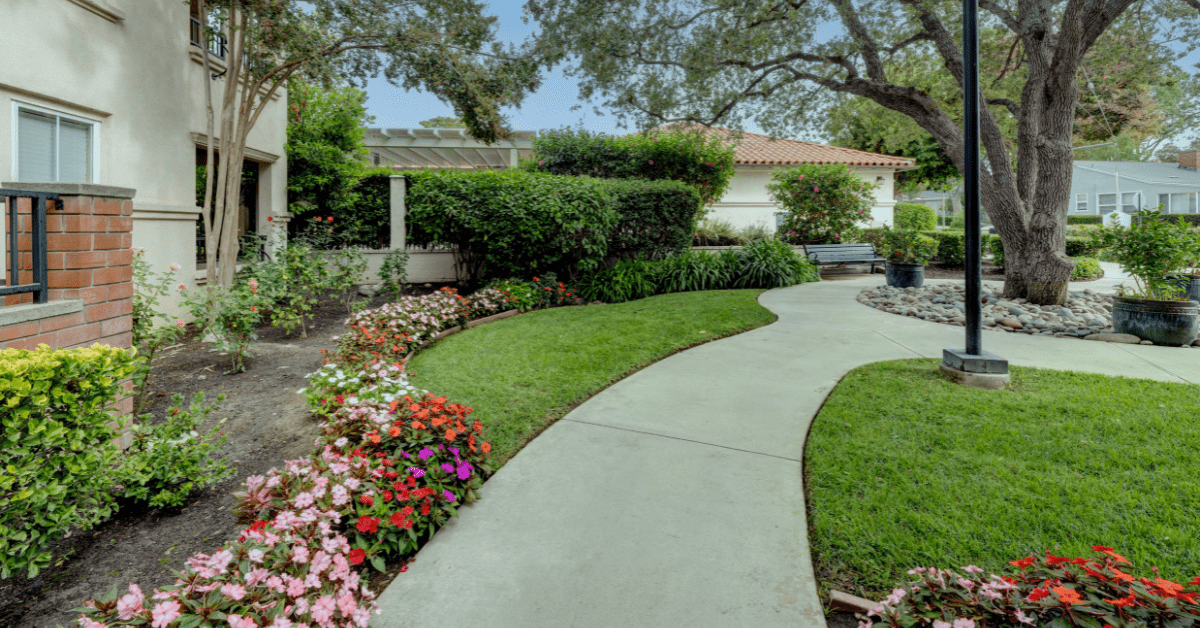
Breaking exercise into smaller chunks makes everything more achievable. Try splitting activity into 10- or 15-minute sessions throughout your day. This approach feels far less daunting than committing to lengthy workouts. A 15-minute morning walk plus another 15-minute evening stroll gives you a solid 30 minutes of movement. At Casa de Mañana, you might take advantage of the walking paths that wind through the gardens and along bluffside terraces, adding a few extra laps after lunch or before dinner to accumulate daily steps.
2. Eat for Strength and Longevity
Your nutritional needs shift meaningfully once you reach fifty. Your body at 60 requires different fuel than it did at 20—metabolism slows while your need for certain essential nutrients increases. This makes every food choice more valuable for maintaining strength and supporting longevity. One of Casa’s strengths is its restaurant-style dining program, where the kitchen accommodates special dietary needs and goals revolving around essential nutrients like protein, vitamin D, calcium and B12 can be met without having to do all the meal planning yourself.
Key nutrients for aging bodies
Several nutrients become particularly vital as your body changes with age. These essential building blocks support your evolving health needs:
- Protein takes on greater importance after 50. This macronutrient repairs muscles, supports immune function and prevents sarcopenia—age-related muscle loss.
- Vitamin B12 deserves special attention since absorption weakens considerably in your sixties and seventies. This nutrient keeps your nervous system functioning properly, assists with red blood cell formation and supports DNA synthesis.
- Vitamin D and calcium work as partners to maintain bone health, crucial as bone density naturally diminishes. Beyond bone health, vitamin D supports immune function and cellular health.
- Magnesium often becomes deficient with age. This mineral supports sleep quality, cognitive function, vascular health and muscle flexibility. It may help lower blood pressure in some individuals.
3. Stay Connected to Other Casa de Mañana Residents

Human connections form a vital pillar of healthy aging beyond 50. Social relationships aren’t merely pleasant additions to life—they represent fundamental requirements for physical and mental well-being. Casa’s oceanview lounge, planned social calendars, resident clubs and regular events make it easier to stay engaged – whether it’s a weekly book club, a bridge group or an art lecture, there are built-in modes of connection right on campus.
The health risks of isolation
Physical Health Impacts:
- Heart and circulation: Increased risk of heart disease, stroke and high blood pressure
- Brain function: Cognitive decline, dementia and Alzheimer’s disease risk increase
- Immune system: Weakened defenses against infections
- Mental wellness: Greater risk of anxiety and depression
- Sleep patterns: Disrupted rest and recovery
The connection between isolation and dementia risk relates partly to the body’s stress response. Loneliness and isolation chronically trigger biological stress mechanisms, which increase beta-amyloid and tau proteins in the brain—the two key brain changes associated with Alzheimer’s disease.
4. Train Your Brain
Your brain thrives on challenge just like your body benefits from physical exercise. Cognitive training offers a practical approach to maintaining mental sharpness and may help delay age-related changes in memory and thinking.
Games and hobbies that boost memory
Effective brain exercises share one key trait: they demand your full attention and push you slightly beyond your comfort zone. Going through familiar motions on autopilot provides minimal benefit. Activities that challenge multiple cognitive skills simultaneously offer the greatest advantages.
Digital Brain Training
For adults over 60 without cognitive decline, computerized brain games may improve several areas:
- Executive function (planning and multitasking)
- Processing speed (how quickly you process information)
- Verbal memory (remembering what you hear)
- Working memory (holding and recalling information)
5. Get Quality Sleep
Quality sleep becomes more precious after fifty, yet many people find restful nights increasingly elusive. Here’s an important truth: your need for sleep doesn’t diminish with age—adults still require 7-9 hours nightly for optimal health. Because Casa de Mañana is perched atop the La Jolla bluffs, the gentle ocean breeze and coastal climate can help regulate circadian rhythms. Closing windows in the evening and opening them early in the morning to welcome sea air may support better sleep quality.
Why sleep changes after 50
The sleep pattern shifts you notice aren’t imaginary. Your sleep architecture—how you cycle through different sleep stages—changes naturally with age. Common changes include:
- Lighter, more fragmented sleep: Deep, restorative sleep decreases while lighter stages increase
- More frequent awakenings: Waking 3-4 times nightly becomes typical
- Earlier bedtimes and wake times: Your internal clock shifts forward
- Reduced total sleep time: Sleep duration declines by approximately 27 minutes per decade after 50
- Less REM sleep: Dream sleep can drop to about half of young-adult levels
Honoring Your Whole Self at Casa de Mañana
Healthy aging after fifty requires a thoughtful approach that honors your whole self. This next chapter doesn’t require perfection. Small, consistent choices often create the most lasting change. Remember that healthy aging looks different for everyone, shaped by your individual circumstances, interests and health needs.
Most importantly, support from others makes this journey both more effective and more enjoyable. Questions about our wellness opportunities? Contact us at (800) 959-7010 to learn more about Casa de Mañana, our assisted living. The choices you make today create the foundation for the years ahead. Each walk, nourishing meal, conversation with friends, mental challenge and good night’s sleep builds your capacity for an independent, engaged future. Your fifties and beyond can become a time of continued growth and purpose—an opportunity to embrace vitality and meaning in your daily life.
FAQs
Q1. How does nutrition change for adults over 50?
As you age, your body requires fewer calories but more of certain nutrients. Focus on protein-rich foods to keep muscle mass, increase intake of vitamin B12 and D, calcium and fiber. Choose nutrient-dense whole foods over processed options. Eating colorful fruits and vegetables can help ensure you’re getting a range of essential nutrients.
Q2. Why is social connection important for healthy aging?
It plays a key role in maintaining physical and mental health as you age. Social interaction can reduce the risk of cognitive decline, depression and even certain physical health issues. Engaging in social activities can provide a sense of purpose, improve mood and contribute to overall well-being.
Read Our Front Porch Blogs

LPGA Hall of Famer Amy Alcott Named First-Ever Front Porch Ambassador
Older Americans Month 2026: Championing Your Health at Front Porch