November 8, 2025
How Gratitude Transforms Assisted Living: The Science of Thriving, Not Just Surviving
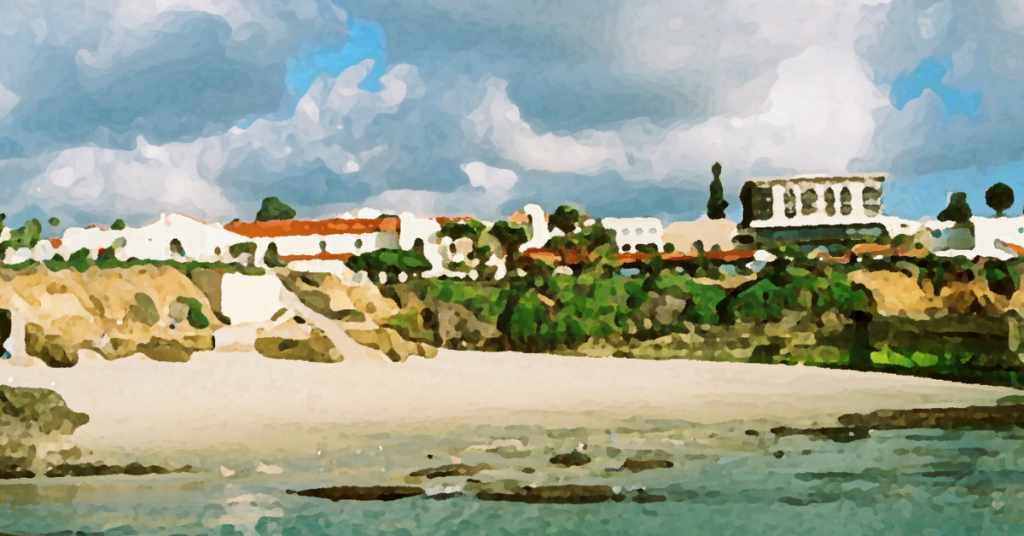
When families seek the best assisted living in La Jolla, CA, they often focus on medical services, safety protocols, and physical amenities. These factors matter. But the communities where seniors truly thrive share something less tangible: a culture of gratitude that transforms routine care into meaningful support for the whole person.
At Casa de Mañana, perched above the Pacific Ocean, we’ve integrated gratitude into the fabric of daily life for a century. This isn’t accidental. Our experience and mounting research confirms that the best assisted living transcends clinical care delivery to create environments where appreciation, connection, and emotional wellness flourish.
The Emotional Environment That Defines Quality Assisted Living
Physical health and emotional well-being operate as inseparable systems. Stress accelerates cognitive decline. Isolation increases mortality risk. Depression compromises immune function. Conversely, positive emotions, social connection, and psychological resilience create measurable protective effects.
The best assisted living communities recognize this interconnection. They understand that caring for the whole person requires equal attention to emotional and physical needs and that gratitude serves as a powerful tool for nurturing both simultaneously.
What Distinguishes a Gratitude-Rich Environment
Walk into Casa de Mañana’s oceanview lounge, and you’ll sense something distinctive. Residents and staff focus on what’s present rather than what’s absent. Conversations emphasize appreciation over complaint. Small kindnesses receive acknowledgment. Accomplishments, however modest, earn celebration.
This atmosphere doesn’t emerge by chance. It results from intentional practices:
- Daily gratitude rituals: Morning reflections, mealtime acknowledgments, or evening reflections that normalize appreciation as part of routine
- Physical gratitude reminders: Boards where residents post thankful thoughts, memory trees displaying cherished moments, or photo displays celebrating community milestones
- Staff modeling: Team members who genuinely express appreciation for residents, creating reciprocal cultures of mutual respect
- Milestone celebrations: Recognition of health improvements, personal achievements, anniversaries, and life transitions
- Positive framing: Communication that emphasizes possibilities and strengths without dismissing legitimate challenges
This shift in perspective creates environments where seniors build psychological resilience and maintain optimism even during difficult transitions—skills that become increasingly valuable as health needs evolve.
Practical Strategies for Integrating Gratitude Into Daily Care
Gratitude practices don’t require expensive programs or complex protocols. The most effective approaches weave appreciation seamlessly into existing routines, making gratitude feel organic rather than prescribed.
Morning Gratitude Moments Set the Tone
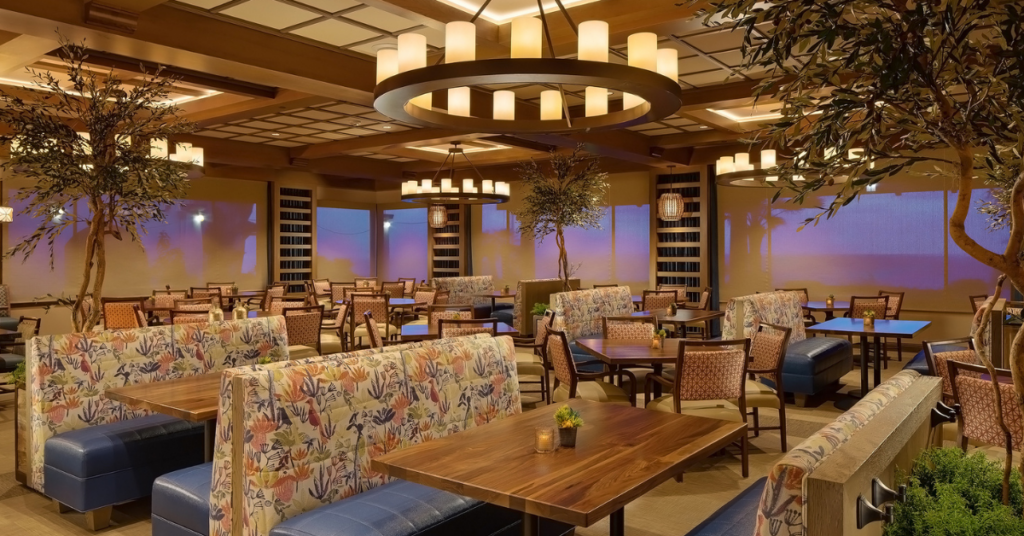
How you begin the day shapes everything that follows. Many communities, including Casa de Mañana, incorporate brief morning reflection times where residents share what they’re grateful for, perhaps during breakfast in our dining room with its magnificent ocean views.
These moments need not be formal or lengthy. A simple prompt—”What’s one thing you’re looking forward to today?” or “What made you smile yesterday?”—encourages positive focus. Staff can guide these reflections while respecting residents who prefer quiet mornings.
The psychological benefit is substantial. Starting the day with appreciation trains attention toward blessings rather than limitations, which is a particularly valuable practice for seniors navigating health challenges or adjusting to assisted living environments.
Gratitude Journals and Memory Boards Provide Tangible Reminders
Written gratitude practices offer proven benefits, but traditional journaling may challenge seniors with mobility limitations, vision impairment, or cognitive changes. Adaptive approaches include:
- Audio gratitude journals: Digital recorders or smartphone apps where residents verbally record daily appreciations
- Visual gratitude boards: Bulletin boards displaying photos, magazine clippings, or artwork representing things residents value
- Gratitude jars: Containers where written notes accumulate, creating visual evidence of blessings that residents can review during difficult moments
- Memory books: Scrapbooks combining photos, mementos, and written reflections about meaningful experiences
These tools serve dual purposes. They encourage regular gratitude practice while creating artifacts that residents can revisit, especially valuable during challenging days when maintaining a positive perspective proves difficult.
Casa de Mañana’s library, with its comfortable chairs and natural light, provides an ideal setting for these reflective practices. Residents often gather there, working on individual projects while enjoying companionable silence or occasional conversation.
Celebrating Milestones Reinforces Progress and Belonging
Communities should acknowledge both predictable milestones (birthdays, move-in anniversaries) and unexpected achievements (health improvements, personal goals reached, new skills learned). These celebrations need not be elaborate—simple recognition during shared meals or activity times can significantly boost morale.
What matters is genuine acknowledgment. When staff notice a resident’s progress in physical therapy, improvement in mood, or kindness toward fellow residents, and take time to celebrate these developments, several benefits emerge:
- Residents feel seen and valued as individuals
- Positive behaviors and attitudes receive reinforcement
- The broader community learns what the culture celebrates
- Milestones become markers of continued growth rather than reminders of decline
At Casa de Mañana, with our century of experience, we’ve learned that the communities where residents thrive are those that celebrate who they’re becoming, not just who they’ve been.
The Family Dimension: Communication and Connection Through Gratitude
Families navigating assisted living placement often experience complex emotions from guilt to grief, anxiety, and relief. Gratitude practices can support families through this transition while strengthening intergenerational bonds.
Transparent Communication Built on Mutual Appreciation
The best assisted living communities in La Jolla prioritize open, transparent communication with families. Regular updates, honest conversations about challenges, and celebration of positive developments build trust and provide peace of mind.
Gratitude enhances this communication. When staff express appreciation for families’ involvement and trust, families feel valued as partners rather than simply bill-payers. When families acknowledge staff’s dedication and expertise, caregivers feel motivated to maintain excellence.
How Gratitude Practices Connect Generations
Families can strengthen connections with senior loved ones through shared gratitude practices:
- Gratitude exchanges: During visits, taking turns sharing what you appreciate about each other
- Legacy conversations: Recording stories about family history, values, and wisdom—conversations that honor seniors’ contributions
- Collaborative projects: Working together on gratitude journals, memory books, or photo albums
- Appreciation rituals: Establishing traditions like thank-you notes for visits or regular phone calls sharing daily appreciations
Research demonstrates that strong intergenerational connections benefit both older and younger participants. Seniors who maintain close family relationships experience better health outcomes and higher life satisfaction. Younger family members gain perspective, wisdom, and models of aging well.
Choosing Assisted Living That Honors the Whole Person
When evaluating assisted living options in La Jolla, look beyond medical credentials and physical amenities. Ask questions that reveal whether communities genuinely embrace whole-person care:
- How do you support residents’ emotional well-being alongside physical health?
- What does a typical day look like for residents, and where do you see evidence of gratitude?
- How do you train staff in relationship-building and appreciation?
- Can you share examples of how residents support and appreciate one another?
- How do you celebrate residents’ achievements and milestones?
- What’s your approach to family communication, and how do you build trust?
Communities that stumble over these questions may provide competent clinical care but fall short of creating environments where seniors truly thrive. Those that answer readily and specifically, with concrete examples, demonstrate cultures that prioritize emotional wellness.
Casa de Mañana’s approach reflects our identity as a Front Porch community and our century of experience. We understand that the seniors who flourish in assisted living aren’t simply those receiving excellent medical care. They’re those who feel genuinely appreciated, meaningfully connected, and surrounded by beauty that inspires daily gratitude.
Experience Gratitude-Centered Care Yourself
No article fully captures what it feels like to be in a community where gratitude shapes daily interactions. The warmth in staff voices. The laughter in the dining room. The kindness between residents. The peace that comes from knowing you’re valued.
Your loved one deserves care that extends beyond physical needs to nurture emotional well-being through genuine appreciation. They deserve a community where gratitude isn’t an afterthought but a foundation.
Call Casa de Mañana at (800) 959-7010 to schedule your personal tour. Discover how gratitude-centered assisted living transforms the experience of these years, from managing decline to continuing growth.
FAQ
How do the best assisted living communities in La Jolla keep families informed and involved?
Exceptional communities prioritize transparent, consistent communication as a cornerstone of trust. At Casa de Mañana, we provide regular care updates through multiple channels, like scheduled meetings, phone calls, written reports, and immediate contact for significant developments. We welcome family involvement in care planning and decision-making, recognizing that families know their loved ones in ways staff cannot.
Gratitude plays a crucial role in this communication. When families feel appreciated as partners and when staff feel valued for their expertise, communication becomes collaborative rather than transactional. “Stay conversations”—regular check-ins about what’s working and what needs adjustment—help us continuously improve care while reinforcing that everyone’s input matters. This approach reduces staff turnover by helping team members feel heard, which in turn provides residents with more consistent, relationship-based care.
Does gratitude actually impact staff retention and quality of care?
Research confirms that feeling appreciated ranks as the top factor in job satisfaction across industries, and assisted living is no exception. Communities that prioritize staff gratitude experience measurably lower turnover rates, which translates directly into better resident care.
When caregivers remain with a community longer, they develop deeper knowledge of individual residents’ preferences, histories, and needs. They build trusting relationships that allow them to detect subtle changes in mood or health. They become invested in residents’ well-being beyond simply completing tasks.
At Casa de Mañana, our gratitude practices extend throughout our organization. Leadership expresses appreciation for frontline staff. Colleagues acknowledge one another’s contributions. Residents and families thank caregivers for specific kindnesses. This multi-directional appreciation creates a positive work environment that attracts and retains exceptional team members—and that positive energy flows directly into resident care.
How can gratitude practices strengthen family bonds across generations?
Shared gratitude practices create meaningful connection opportunities that go beyond logistical discussions about health and care. When families make time to express appreciation for one another, for shared experiences, for lessons learned, and everyone feels more valued and understood.
These practices particularly benefit intergenerational relationships. Younger family members who engage in gratitude conversations with senior loved ones gain access to stories, wisdom, and perspective they might otherwise miss. They learn to see their elders as whole people with rich histories rather than simply as care recipients. Seniors benefit from feeling that their experiences and insights remain valuable, that their lives continue to matter to younger generations.
Read Our Front Porch Blogs
Investing in community: the story of David and Jane Kretzmann
Front Porch Podcast – Episode 8: Belonging: The Heart of Community—with Arthur Liggins & Candace Young-Schult