March 26, 2026
Serotonin Boost: Enhancing Life at Our Assisted Living
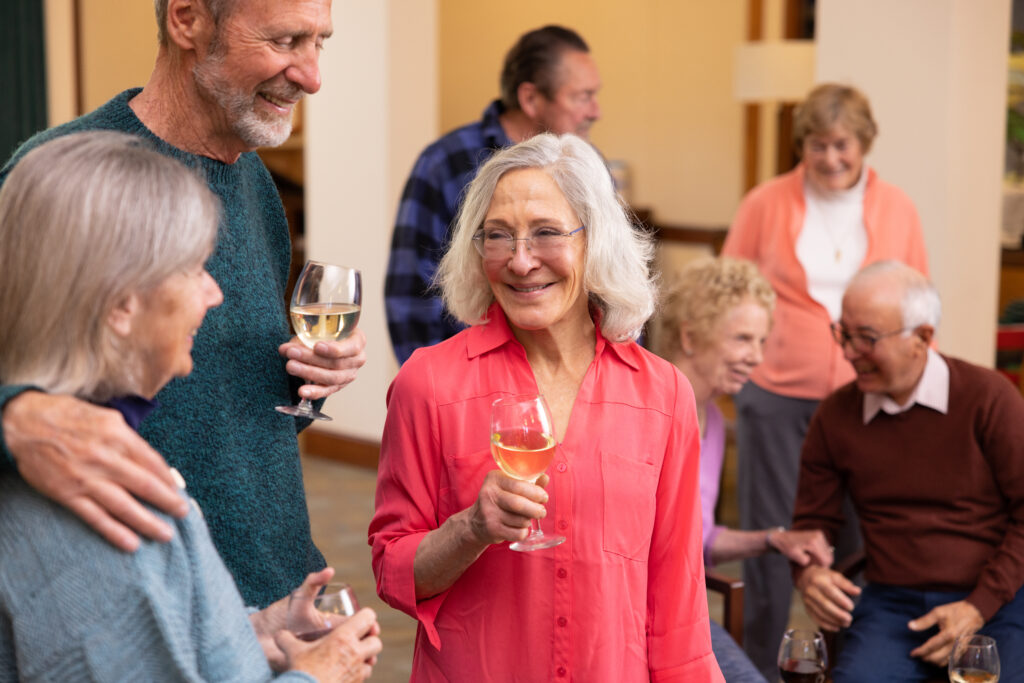
Brain-stimulating programs at our assisted living in La Jolla, CA, do more than just fill time. Seniors engaging in these mind-activating activities show improved cognitive function and better overall health. These programs are also linked to a reduced risk of developing dementia.
Purpose-driven life enrichment programs in assisted living extend beyond just entertainment—they activate vital neurological responses that fight depression and boost cognitive function in seniors.
Our approach emphasizes programs that raise serotonin levels and foster genuine connections. At Casa de Mañana, we recognize that residents deserve more than just passive entertainment. They deserve opportunities that respect their wisdom, skills, and ongoing capacity for growth.
How Does Having a Purpose Help Seniors Feel Better at Our Assisted Living?
Moving to an assisted living community can be difficult, but having a meaningful purpose significantly boosts residents’ mental health and quality of life. Although many communities offer recreational activities, not all programs deliver the same emotional benefits or cognitive advantages.
Traditional programming limitations
Bingo has long been a staple in senior communities, offering benefits like enhanced socialization and improved cognitive function. Many residents see such activities as simply passing the time rather than gaining deeper fulfillment. Traditional programming provides a temporary distraction but often lacks the psychological depth necessary for lasting well-being.
Purpose as emotional catalyst
Purpose serves as a powerful catalyst for emotional resilience—the capacity to adapt effectively when faced with adversity or significant stress. Research shows that seniors often display greater resilience than younger people, with centenarians demonstrating particularly remarkable levels.
This psychological resilience helps residents maintain cognitive performance despite increasing neurological challenges. Having a sense of purpose can shield seniors from memory issues often linked to depressive symptoms.
Purpose creates a positive feedback loop: meaningful engagement fosters social connections, which improve emotional health. Residents who reported close friendships in their assisted living communities showed significantly greater life satisfaction, while purposeful activities cultivated feelings of belonging and community identity.
Active coping strategies
Several effective strategies help residents develop purpose-oriented coping skills:
- Resident mentorship: Teaching others skills instills responsibility while preserving valuable knowledge.
- Gardening therapy: Growing plants provides tangible results and ongoing care responsibilities.
- Creative legacy projects: Writing memoirs or creating art preserves personal histories and shares wisdom.
- Volunteer opportunities: Contributing to community needs builds connection and purpose
Brain Chemistry and Meaningful Engagement
Brain biochemistry is vital for resident well-being. At Casa de Mañana, residents enjoy the neurological benefits of purpose-driven life enrichment programs every day.
Understanding serotonin’s role
Serotonin acts as the brain’s mood stabilizer, regulating sleep, appetite, and cognitive functions. Unlike dopamine, which drives short-term pleasure, serotonin supports stable emotional well-being. Aging naturally decreases serotonin levels (Park et al., 2020) and receptor counts, which may contribute to depression affecting about 14% of adults over 60.
Goal-oriented life enrichment programs and brain response
Purposeful life enrichment naturally boosts serotonin levels. Life enrichment activities like gardening increase serotonin release, showing that achievement-focused tasks create positive neurochemical feedback loops. This explains why residents involved in gardening or teaching others often report better emotional well-being.
Active engagement makes a difference
The way we approach challenges directly influences brain chemistry. Active coping strategies—aimed at changing environmental factors—are linked to better health outcomes. In contrast, passive coping is associated with increased depression, motor impairments, and a lower quality of life. Seniors who use active coping methods tend to experience fewer depressive symptoms and maintain better cognitive function. Purposeful engagement at Casa de Mañana supports both mental and physical health through these natural brain chemistry responses.
Looking Forward
Life enrichment programs are more than just scheduling choices. They embody our core belief that every resident can continue to grow, contribute, and find meaning regardless of age or circumstances.
Ready to learn more about our approach? Call (800) 959-7010 today to discover how our Life Enrichment programs at Casa de Mañana create meaningful experiences. The best years of life should be filled with purpose, connection, and the dignity that comes from continued growth and contribution.
While these life enrichment programs are powerful mood boosters, it is vital to recognize when a loved one is struggling with something deeper than just boredom. Learn how to spot the red flags in our guide, “Assisted Living Guide: Normal Aging vs. Senior Depression.”
FAQs
Q1. Why does having a sense of purpose matter so much for seniors in assisted living?
Having something to look forward to or feel responsible for can make a significant difference. A sense of purpose helps seniors feel more emotionally resilient, lowers stress, and supports memory and focus. It’s even been linked to physical benefits, like improved mobility and strength, which contribute to healthier aging overall.
Q2. Can creative life enrichment programs really help seniors who are feeling depressed?
Yes, they can. Creative life enrichment programs such as painting, drawing, or making memory projects provide seniors with ways to express themselves and feel a sense of accomplishment. These programs often boost mood, enhance concentration, and naturally create opportunities to connect with others—especially helpful when someone is feeling down.
Q3. How does volunteering affect seniors’ mental health?
Volunteering can be very uplifting for seniors. Helping others creates a strong sense of purpose and connection, which increases optimism and overall well-being. Seniors who volunteer regularly often report feeling less lonely and less depressed, especially when they are genuinely motivated to give back.
Read Our Front Porch Blogs
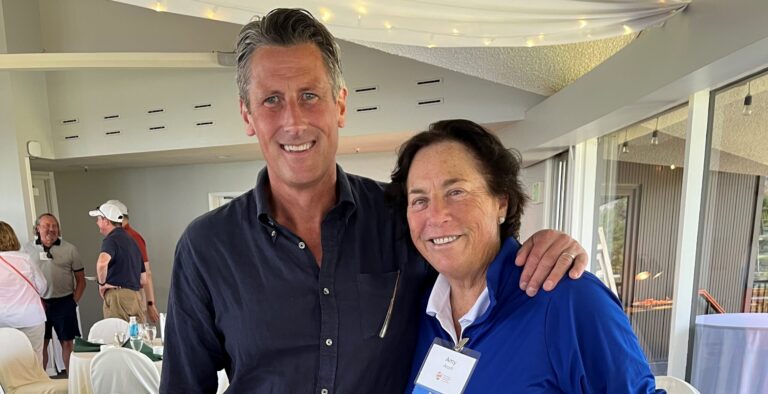
LPGA Hall of Famer Amy Alcott Named First-Ever Front Porch Ambassador
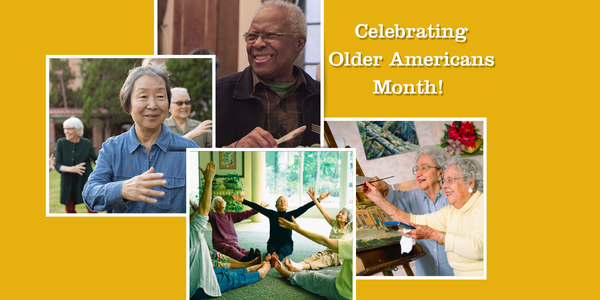
Older Americans Month 2026: Championing Your Health at Front Porch