
March 16, 2026
How Senior Community and Pet Therapy Heal the Heart
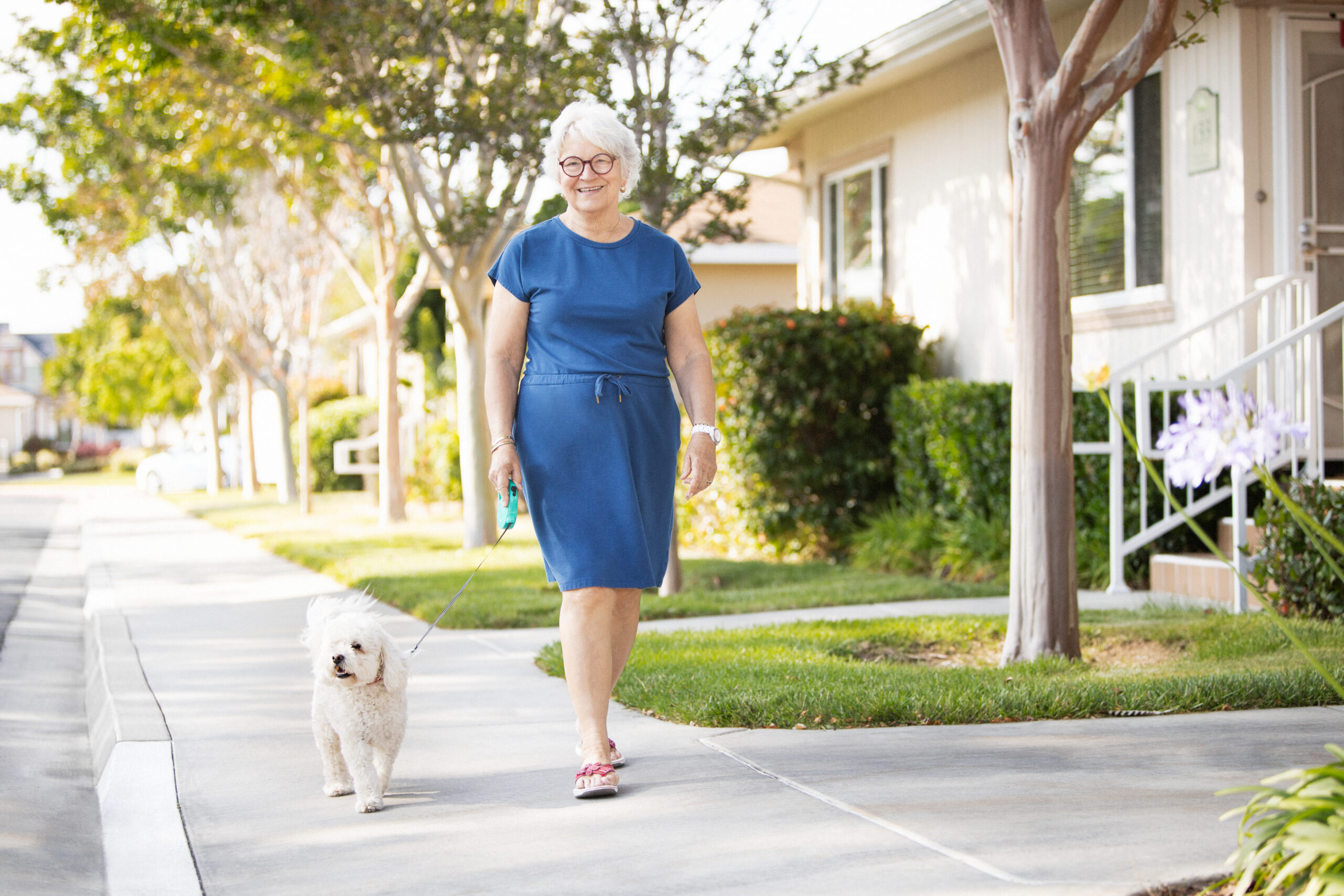
Your heart rate slows, blood pressure decreases, and tension eases. This effect isn’t caused by medicine but by the simple act of petting a therapy animal in a senior community in San Diego County. Animal contact releases hormones like oxytocin and endorphins, which help regulate emotions and foster social bonds.
Pet therapy in communities offers real health benefits that extend far beyond friendship. Residents see measurable improvements in heart health, mood, and social connections.
Communities like Fredericka Manor implement structured pet therapy programs that promote both heart health and emotional well-being. The well-supported benefits of human-animal interaction enhance social engagement, relationships, mood, and stress-related factors such as heart rate and blood pressure. Here’s how pet therapy heals your heart both physically and emotionally.
What Happens When You Pet a Therapy Animal in a Senior Community
When you reach out to pet a therapy animal in a senior community, you aren’t just engaging in a pleasant pastime; you are triggering a profound biological shift that benefits both your heart and your mind. This simple act of connection activates a “natural pharmacy” within the body, where a restorative state of calm physically replaces the day’s stress.
Your heart responds the moment you touch soft fur
Imagine this: your hand reaches out to stroke a golden retriever’s silky coat, and something remarkable happens inside your chest. Your cardiovascular system shifts into a calmer rhythm almost instantly. A crossover study involving 28 community-dwelling older adults showed that pet therapy visits significantly lowered both blood pressure and heart rate compared to volunteer-only visits (Cherniack & Cherniack, 2014).
Stress hormones take a backseat to calmness.
Your body produces less cortisol—the problematic stress hormone—when animals are present. Notable decreases happen when seniors pet their own dogs or even unfamiliar ones, but not when they are quietly reading. Healthcare professionals who spend 20 minutes with a therapy dog may see lowered serum and salivary cortisol levels.
Feel-good chemicals flood your system
Animal contact creates a natural pharmacy of wellness in your body. Oxytocin works particularly hard for you—activating your parasympathetic nervous system, reducing cortisol secretion, lowering blood pressure, decreasing inflammation, and improving wound healing. Dog interactions boost serotonin and dopamine levels, those neurotransmitters that bring happiness and overall well-being calmness.

More Than Heart Health: How Pet Therapy Builds Connections and Brings Joy
Animals offer comfort during challenging moments
Residents find real relief through animal therapy. These programs boost mood and encourage social interaction while calming behavioral issues that often come with age. Animal-assisted therapy reduces agitation and promotes more positive social behaviors among residents.
Friendship blooms when animals break the ice
Loneliness affects many older adults, but pet owners feel less isolated than those without animal companions. Therapy animals act as conversation starters, helping residents connect with neighbors they might not otherwise approach.
Group sessions create lasting bonds
Pet therapy brings residents together for shared experiences that go beyond just animal visits. These gatherings become social events where residents share stories about their own pets, discuss different breeds, and build friendships through common interests.
The gift of acceptance without judgment
Animals offer something precious: complete acceptance. They don’t worry about memory lapses or physical limitations, making them perfect companions for residents. This unconditional affection creates a space where residents can express emotions freely. Many residents say dogs help them feel valued and let them simply be themselves without judgment explanation.
Your Pet Can Come Home With You
Most independent living communities welcome your four-legged family members with clear, supportive guidelines. Communities typically require current vaccinations, reasonable pet fees, and a plan for your pet’s care should you need to leave unexpectedly assistance.
Pet therapy provides measurable cardiovascular benefits and emotional support that medication alone cannot offer. Whether through live therapy animals from local partners or modern robotic companions, these programs enhance both your heart health and social well-being.
Don’t wait—discover how animal interaction can improve your quality of life. Contact Fredericka Manor at (619) 205-4115 and schedule a tour to explore pet therapy programs tailored for your wellness journey.
FAQs
Q1. How quickly can petting a therapy animal lower blood pressure?
The effects can occur almost immediately. Just 15 minutes with a therapy dog can lower blood pressure, and some seniors see noticeable drops in their diastolic pressure. The calming benefits often last long after the interaction.
Q2. Can pet therapy help reduce the risk of heart disease and stroke?
Yes. Studies show pet owners may have a lower risk of cardiovascular-related death. Animal-assisted therapy has also been associated with improved heart health, reduced blood pressure, and better recovery outcomes after stroke.
Q3. Can I bring my own pet to a senior living community?
Many independent living communities are pet-friendly, with guidelines that include vaccination records, pet fees, and contingency care plans. It’s best to check with each community for specific policies on size, breed, or other restrictions species.
Read Our Front Porch Blogs
Older Americans Month 2026: Championing Your Health at Front Porch

Investing in community: the story of David and Jane Kretzmann