
October 14, 2025
Trust, Comfort, and Care in Assisted Living: How Senior Living Caregivers Bring Peace of Mind
Professional caregivers at senior living communities in Santa Rosa, CA, provide care that goes far beyond daily assistance. At Friends House, caregivers combine skill and compassion to support residents’ physical health, emotional well-being, and sense of independence. Their thoughtful approach helps older adults feel connected, respected, and truly at home.
Caregivers become trusted allies who create genuine connections and belonging for older adults adapting to community living.
The Essential Role of Professional Caregivers
Caregivers form the foundation of quality care in assisted living communities. Their role is both practical and deeply personal—balancing attentive service with genuine empathy. Every act of care is guided by respect for each resident’s individuality and dignity.
Personalized Care and Daily Support
Caregivers provide assistance with activities of daily living such as bathing, dressing, and medication management. These moments of support are handled with sensitivity and respect, helping residents feel comfortable while maintaining personal independence. Skilled caregivers understand that the little things, like honoring a favorite breakfast or a preferred morning routine, make a meaningful difference in everyday life.
Health and Medication Management
Medication management is one of the most important caregiver responsibilities. Caregivers ensure residents take their medications safely and on time, while monitoring for changes in health or side effects. Many senior living communities in Santa Rosa, including Friends House, use structured systems and regular check-ins to help prevent errors and maintain wellness.
Promoting Independence and Confidence
A great caregiver knows how to support without overstepping. By encouraging residents to stay active and involved, caregivers help maintain confidence and independence. Asking permission before offering help, respecting personal routines, and celebrating small victories are all actions that reflect a person-centered approach that honors each individual’s autonomy.
The Power of Emotional Connection
Emotional well-being is just as important as physical health. Caregivers in assisted living communities in Santa Rosa, CA, provide companionship and reassurance that help residents thrive. Social connections become increasingly important as we age, with strong social networks helping buffer against the negative effects of aging on general health, mood and cognitive functioning.
Building Trust Through Compassion
Trust grows when caregivers take time to listen, respond with empathy, and show genuine interest in residents’ stories and preferences. These daily interactions build strong relationships where residents feel safe, heard, and valued.
Supporting the Transition to Community Life
Moving to a senior living community is a major life change. Skilled caregivers understand the mix of excitement and uncertainty that can come with this transition. At Friends House, caregivers offer guidance and emotional support, helping new residents find comfort, build friendships, and feel at home at their own pace.
Encouraging Cognitive and Social Engagement
Caregivers often lead or assist with activities like book clubs, trivia, puzzles, and group discussions that keep minds active and spirits high. These moments of engagement help preserve memory, promote social connection, and bring joy to everyday living.
Building Strong Partnerships: Caregivers and Family Collaboration
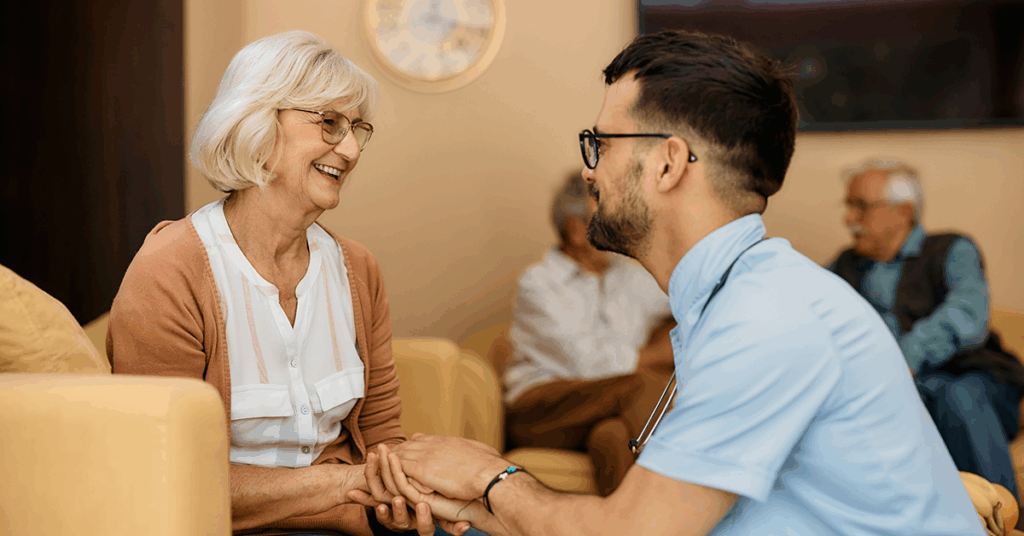
The best senior living experiences happen when caregivers and families work as partners. Open communication and shared understanding ensure that residents receive care that’s personalized, respectful, and deeply supportive.
Staying Connected
Frequent family visits, whether long or short, provide reassurance and strengthen emotional bonds. These moments remind residents they are loved, supported, and part of a larger family network.
Collaboration in Care Planning
Families play a vital role in care decisions. Sharing details about your loved one’s preferences, routines, and life history helps caregivers provide truly personalized support. Participating in care meetings fosters teamwork and transparency while enhancing residents’ well-being.
Mutual Respect and Shared Goals
Caregivers bring professional expertise, while families bring personal insight. By working together with mutual respect, both can ensure care that promotes comfort, independence, and peace of mind.
Ready for the Next Step?
Professional caregivers represent the foundation of quality care at senior Living communities in Santa Rosa, CA. These skilled individuals provide comprehensive support from personal assistance to emotional companionship, while maintaining each resident’s respectability and autonomy.
Strong caregiver-resident relationships make the difference between merely receiving care and truly thriving in community living. These connections combat isolation, support emotional well-being and help older adults maintain their sense of purpose and identity.
Professional caregivers at Friends House in Santa Rosa, CA, exemplify what compassionate senior care should be: personal, respectful, and always resident-centered. Their support helps residents live with confidence and joy, knowing their needs are understood and their independence honored.
Ready to learn more?
Call FP Friends House at (707) 573-4508 to schedule a tour and see firsthand how our caregivers bring warmth, expertise, and peace of mind to senior living in Santa Rosa.
FAQs
Q1. What is the role of professional caregivers in senior living?
Caregivers provide daily support with activities such as bathing, dressing, and medication management while promoting independence and dignity. Their focus extends beyond assistance and fosters relationships that enhance emotional and physical well-being.
Q2. How do caregivers in assisted living communities provide emotional support?
Caregivers build trust through empathy, consistency, and active listening. They encourage residents to stay socially and mentally engaged, helping ease the transition to community living while reducing feelings of isolation.
Q3. How do families collaborate with caregivers?
Families play an active role by staying in touch, sharing insights about their loved one’s preferences, and joining care discussions. A collaborative partnership ensures that every resident receives care aligned with their personal needs and values.
Read Our Front Porch Blogs
Investing in community: the story of David and Jane Kretzmann
Front Porch Podcast – Episode 8: Belonging: The Heart of Community—with Arthur Liggins & Candace Young-Schult