December 19, 2025
Purpose Through Service: Why Seniors Thrive When They Give Back
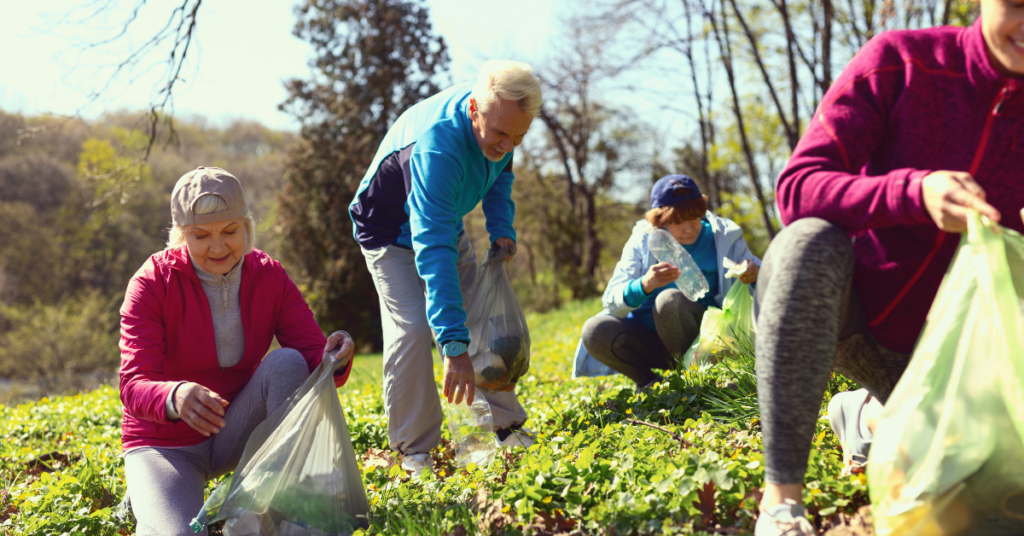
Volunteering in retirement is foundational to well-being. Research demonstrates that older adults who volunteer regularly experience decreased mortality risk, reduced depression rates, stronger social bonds and measurably better physical health. Yet beyond the statistics lies something more profound: purpose.
When seniors transition to independent living communities in Los Angeles and continue giving back to their communities, they move beyond aging into living meaningfully. They transform retirement from a period of withdrawal into a chapter of active contribution.
Why Giving Back Matters in Retirement
The research on senior volunteering is compelling and clear.
Volunteering Predicts Longevity
The most striking finding: older adults who volunteer regularly have significantly lower mortality rates than non-volunteers, even accounting for age, gender and existing health conditions. Research reveals that older adults volunteering at least 100 hours annually had a 44% reduced mortality risk compared to non-volunteers.
This isn’t correlation based on health selection. Longitudinal studies controlling for baseline health show that volunteering itself improves survival rates. Purpose becomes protective medicine.
Physical Health Through Active Service
Beyond mortality, volunteering creates measurable physical improvements. Active volunteers experience reduced risk of physical functioning limitations, increased likelihood of regular physical activity, improved cardiovascular function through natural movement, and enhanced flexibility and strength.
Volunteering often involves movement. For example, mentoring requires conversation and engagement, community service projects demand activity, and teaching requires demonstration. The volunteer service itself becomes exercise.
Mental Health and Stress Relief
Older adults who volunteer experience lower depression and anxiety rates. The mechanism: volunteering creates natural dopamine release, the neurotransmitter associated with pleasure and reward. This stress reduction decreases risk factors for heart disease, stroke and general illness.
Additionally, volunteering addresses one of retirement’s greatest challenges: loss of identity and purpose. When you stop working, identity shifts. Volunteering creates a new purpose—”I’m someone who serves,” “I’m a mentor,” “I’m a community contributor.”
Social Connection and Belonging
Volunteering creates strong social bonds combating isolation. The shared purpose, meaningful interaction and recognized value all strengthen connection. Additionally, volunteers often connect with broader communities beyond their retirement community, expanding their social network.
How Retirement Communities Enable Meaningful Service
The most thriving communities don’t expect residents to find volunteer opportunities independently. They create structures supporting and facilitating service.
Resident-Led Community Service Groups
The most effective volunteer programs often emerge when residents organize their own charitable initiatives. Communities that encourage this, by providing space, support and resources, discover residents develop deeply meaningful projects aligned with their own values.
At Kingsley Manor, located in East Hollywood’s vibrant, culturally diverse neighborhood, residents organize initiatives addressing local needs. The community’s 113-year heritage creates a culture where service is valued.
Intergenerational Mentoring Programs
Programs bringing older adults and younger people together create value for everyone. Older adults share wisdom and professional experience while younger people contribute energy and technological fluency. Research shows these programs enhance cognitive function and well-being in older adults while reducing isolation.
The mentorship becomes mutual. Experience meets potential. Both generations benefit.
Teaching and Skills Sharing
Residents possess decades of accumulated knowledge worth preserving and passing on. Popular approaches include teaching practical skills like knitting, crocheting or sewing, mentoring others using professional expertise, leading discussion groups on areas of interest, and offering instruction in music or artistic pursuits.
This knowledge transfer matters beyond individual benefit. It preserves skills, creates intergenerational connection and gives the teacher renewed sense of being valued and needed.
Organizing Community Initiatives
Residents frequently coordinate efforts addressing community needs: food collection for local food banks, clothing drives for homeless shelters, school supply gathering for children, hygiene product assembly for vulnerable populations. These organized projects create concrete impact while building resident camaraderie.
The project-based structure provides accountability and measurable outcomes—knowing the donations will help specific people creates deeper meaning.
Community Support Removes Barriers
Thoughtfully designed communities recognize barriers to volunteering and systematically remove them.
Supporting Different Mobility Needs
Professional staff provide practical support: arm-through-arm assistance for residents needing balance support, coordination with volunteer sites for accessibility accommodations, and matching residents with opportunities fitting their comfort level and physical abilities.
Every resident has something valuable to offer. The community’s role is enabling their contribution regardless of physical limitations.
Transportation and Coordination
Transportation barriers shouldn’t prevent community engagement. Communities address this through direct transportation services to volunteer locations, organized carpooling among interested residents, and scheduled transport to community programs.
At Kingsley Manor, located in East Hollywood with access to Griffith Observatory, Greek Theatre, Barnsdall Art Park and diverse cultural institutions, transportation services enable residents to participate in broader community engagement.
Creating Opportunities Within Community Walls
Smart communities create volunteer options within their own facilities: on-site projects like care package assembly, partnerships with local nonprofits for remote volunteer roles, and virtual volunteering options for residents preferring digital engagement.
This approach accommodates varying preferences while ensuring accessible opportunities for everyone.

The Optimal Commitment: About 100 Hours Annually
Research identifies approximately 100 hours annually—roughly two hours weekly—as providing optimal wellness returns. This manageable commitment offers substantial physical and emotional rewards while allowing residents to share accumulated wisdom.
Two hours weekly remains sustainable long-term. The consistency matters more than intensity. Regular engagement creates ongoing purpose and connection.
Kingsley Manor: Purpose as Community Identity
Established in 1912, Kingsley Manor’s 113-year history creates a culture where service is valued and purpose is recognized as essential. The community’s commitment to helping residents’ “passions blossom” reflects understanding that retirement thrives when people contribute meaningfully.
Located in Hollywood among ivy-clad walls, majestic trees and fragrant rose gardens, Kingsley Manor provides tranquil settings supporting both contemplation and active engagement. The culturally diverse neighborhood presents opportunities for meaningful service aligned with residents’ values.
Most importantly, Kingsley Manor’s infrastructure, which includes transportation, coordination, volunteer matching, on-site projects, removes barriers enabling residents to serve their communities confidently.
Starting Your Volunteer Journey
Whether you’re considering retirement community or recently arrived, these practices support meaningful service:
- Identify Your Passion: What causes matter to you? What skills do you want to share? Begin with authentic interest. Purpose emerges from genuine care, not obligation.
- Start Small: Two hours weekly provides benefits. Start with manageable commitment. Consistency matters more than intensity.
- Ask Your Community About Opportunities: Most communities coordinate volunteer opportunities. Ask about existing programs. If something you’re interested in doesn’t exist, suggest it.
- Combine Service With Social Connection: Volunteer alongside friends or new community members. The shared purpose deepens relationships while creating meaningful work.
- Focus on Impact: Remember what you’re contributing to. The knowledge of concrete impact, such as food reaching hungry families, children receiving school supplies, vulnerable people gaining hygiene products, sustains meaning.
The Retirement You Deserve
Retirement at its best involves making a contribution that’s freed from workplace constraints. You volunteer because the cause matters, not because you must work. You mentor because you value the relationship, not because it’s a job requirement.
Communities like Kingsley Manor facilitate this by removing practical barriers and creating structures supporting meaningful engagement. Your role is showing up with your accumulated wisdom, your passions and your commitment to giving back.
Schedule your personalized tour at Kingsley Manor: (323) 661-1128
Frequently Asked Questions
Q: What specific health benefits can seniors expect from regular volunteering?
Research demonstrates measurable improvements: 44% reduced mortality risk for those volunteering 100+ hours annually, lower depression and anxiety rates, reduced risk of physical functioning limitations, improved cardiovascular health through movement, enhanced flexibility and strength. Additionally, volunteering creates natural dopamine release supporting stress reduction. These benefits compound over time with consistent engagement.
Q: How do retirement communities make volunteering accessible for residents with mobility challenges?
Thoughtfully designed communities provide multiple accommodations: staff assistance with balance support, coordination with volunteer sites for accessibility modifications, matching residents with opportunities fitting their abilities, and on-site volunteer projects requiring limited mobility. Communities understand that physical limitations don’t prevent meaningful contribution—they simply require adapted approaches.
Q: What’s the difference between volunteering in retirement versus other life stages?
Retirement volunteering offers unique advantages: you choose causes based on genuine passion rather than job necessity, you control your time commitment, you volunteer for meaning rather than compensation, and you bring decades of accumulated expertise. Retirement volunteering tends to be deeper and more intentional than earlier-stage service.
Q: How much time commitment is optimal for health benefits?
Research indicates approximately 100 hours annually—roughly two hours weekly—provides optimal wellness returns. This manageable, sustainable commitment offers substantial physical and emotional benefits. The key is consistency. Regular engagement creates ongoing purpose and social connection.
Q: Is Kingsley Manor right for someone wanting to maintain purpose through service?
If you value purposeful living, community engagement and opportunities to share your expertise, Kingsley Manor aligns with those priorities. The 113-year heritage emphasizes service and purpose. The East Hollywood location provides access to diverse communities benefiting from volunteer support. The infrastructure—transportation, coordination, volunteer matching—removes barriers enabling meaningful contribution. We recommend visiting and discussing volunteer opportunities with staff and current residents.
Read Our Front Porch Blogs
Older Americans Month 2026: Championing Your Health at Front Porch
Investing in community: the story of David and Jane Kretzmann