April 14, 2025
DIY Music Therapy for Seniors in San Francisco: Creating Personalized Playlists and Instruments
Music therapy offers a budget-friendly way to stay healthy and vibrant, especially if you’re considering independent living in San Francisco, CA. Did you know that music can help slow your heart rate, reduce stress hormones and improve your brain? You can create a music therapy program that provides lasting benefits without expensive treatments or complex equipment. Whether you want to sharpen your memory, feel less anxious or simply stay active, these tips are worth exploring.
Many studies have shown that music therapy can significantly improve seniors’ quality of life. Music helps them to foster creativity and social skills. Familiar tunes from your past can spark happy, nostalgic memories and are a great way to improve your overall sense of well-being.
Cognitive and Memory Improvements
Music stimulates multiple brain regions at once, helping keep the mind sharp. Many older adults credit music for maintaining their mental clarity. Listening to music may improve learning, memory and cognitive functions. Seniors who sing or play instruments activate neural networks that handle memory and language processing.
Emotional well-being and stress reduction
Music therapy can affect seniors in meaningful ways and bring them joy. Combined with regular treatment for stress reduction, music therapy can work better at reducing depression symptoms than medication alone.
Music helps by lowering cortisol levels in the body, naturally reducing stress and anxiety. Seniors who face health challenges or life changes find that music helps them convey feelings they struggle to express.
Physical health advantages
Music benefits physical health in surprising ways. Some studies suggest that music may help reduce pain perception in seniors, potentially lowering their reliance on pain medication. Rhythmic music encourages movement and helps improve coordination.
Music also motivates older adults to be more physically active. This extra inspiration helps seniors stay independent by making exercise more enjoyable, which improves their strength, flexibility, balance and confidence.
Social connection opportunities
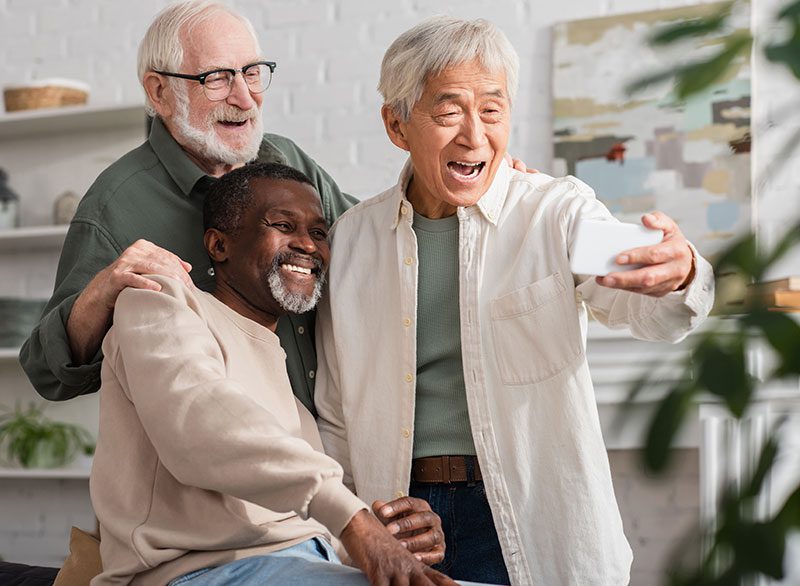
Group music activities create natural ways for seniors to connect. About 27% of seniors say music helps them build relationships with others. Music therapy sessions encourage community spirit and help reduce loneliness.
Making music together creates shared accomplishments that boost emotional well-being. These music-based connections are especially valuable for seniors living independently in San Francisco, CA, who want to build community and maintain quality relationships.
Creating Personalized Playlists That Resonate
Personalized playlists help unlock memories and emotions in seniors, particularly those with cognitive challenges. Songs from a person’s youth can trigger vivid memories and emotional responses. Research shows this works even in advanced stages of dementia.
Identifying meaningful music from different life stages
Songs from your teens and twenties create the strongest emotional connections. Family members can help you discover your favorite artists, genres and meaningful songs. Watch for nonverbal responses during listening sessions. A smile, tapping foot or hummed notes show you’ve made a meaningful connection.
Organizing music by mood and purpose
Music selections serve unique therapeutic purposes. Here are some playlist ideas to get you started:
- Morning routines: Upbeat songs to kickstart the day
- Relaxation: Gentle melodies (60-80 beats per minute) to reduce anxiety
- Memory stimulation: Songs tied to life’s big moments
- Social connection: Popular tunes that get people singing along
Implementing DIY Music Therapy Sessions
Music therapy at home requires little setup but offers great rewards. Studies show that regular sessions with familiar tunes can boost mood and behavior, making it a perfect option for people living independently in San Francisco, CA.
Setting up a comfortable music space
Your music therapy spot should feel familiar and help you relax. Pick a quiet room with cozy seating where you won’t get interrupted. Here’s what works best:
- Good lighting that’s easy on your eyes
- Music players and instruments close by
- A quiet space away from distracting sounds
- Photos or items that bring back happy memories
Guided listening exercises
There’s more to music than just casual listening. Start with songs that match your priorities, especially when you have favorites from ages 15-35. Let the music take you deeper and ask yourself what feelings or memories each song brings up.
You can either listen quietly or join in by singing along. The best results come from 30-minute sessions done once a week or more often.
Movement and music activities for physical benefits
Rhythm-based exercises help your balance and movement while feeling more fun than work. Dancing is a great activity – research shows older adults who danced often had a lower chance of getting dementia.
Begin with simple movements that match the music’s beat. As you get comfortable, try more complex steps. Music helps older adults maintain steady timing and overcome physical challenges that make exercise tough.
Your Retirement Soundtrack
Music therapy is a powerful tool that enhances one’s quality of life in retirement. Tailored playlists that spark cherished memories and simple DIY instruments that encourage creative expression are available. These offer meaningful benefits without needing professional expertise.
Starting your music therapy practice might seem overwhelming at first. Simple activities like listening to favorite songs or tapping along with a homemade drum can bring significant benefits. San Francisco Towers welcomes your questions about incorporating music therapy into your daily routine as you explore these therapeutic possibilities while considering independent living options. You can reach us at (415) 776-0500.
DIY music therapy shines through its flexibility and personal touch. Each session, instrument or playlist becomes uniquely yours and adapts to your priorities and needs. These musical moments can become powerful tools through consistent practice. They help maintain both physical and emotional well-being throughout your retirement trip.
Read Our Front Porch Blogs
Investing in community: the story of David and Jane Kretzmann

Front Porch Podcast – Episode 8: Belonging: The Heart of Community—with Arthur Liggins & Candace Young-Schult