June 5, 2025
Relax & Create: Art Hobbies for Joy
Creative activities like arts and crafts help maintain cognitive health. Picking up new artistic skills can lower your risk of dementia. Arts and crafts are great for emotional health, too. They help reduce stress, lift your mood and ease depression symptoms. These benefits become even more valuable in senior living communities. You might enjoy the calm focus of adult coloring books or want to expand on more complex creative projects. Either way, arts and crafts combine mental stimulation, emotional expression and social connections to create a rewarding lifestyle.
The Joyful Benefits of Art Hobbies
Cognitive stimulation through creativity
Art creation activates many brain regions at once. This provides a detailed mental workout that few other activities can match. Your brain becomes more active in areas linked to visual processing, interpretation and emotional centers when you do artistic activities. The neurological boost has connections to better focus, self-control and empathy.
Emotional expression and stress relief
Art lets people process complex emotions they might keep inside. Creative activities:
- Help release difficult emotions and experiences
- Take your mind off stressful thoughts
- Give you a chance to enter a deeply restorative “flow” state
Choosing the Right Art Hobby for You
Understanding your physical comfort and needs
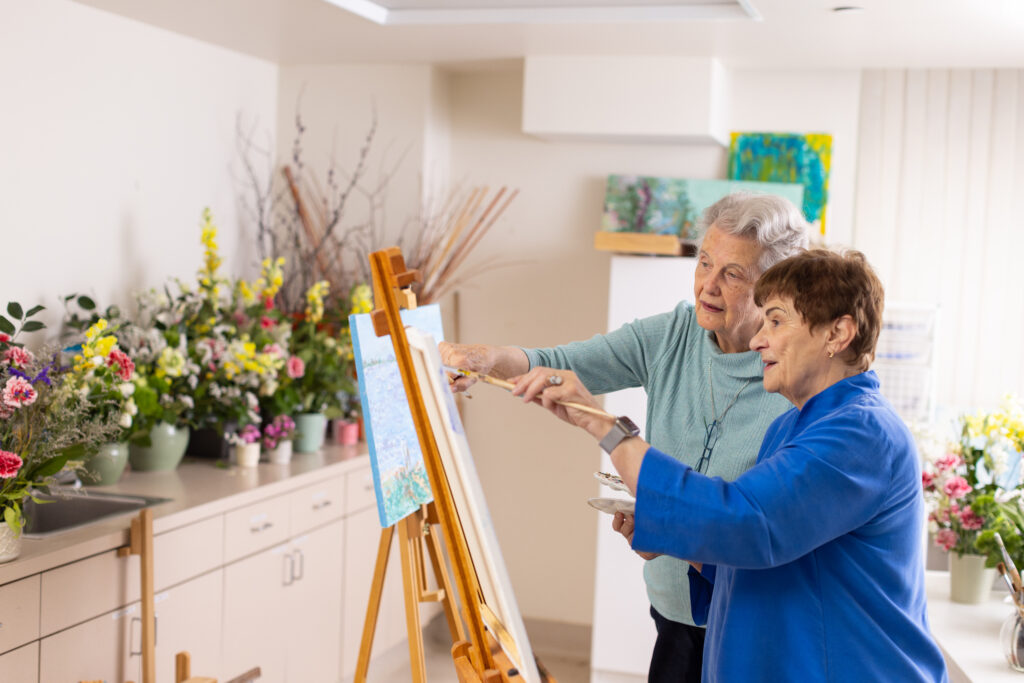
As you choose a creative hobby, think about activities that match your physical comfort levels. Seated activities like painting, drawing or textile arts might work best if standing for long periods bothers you. Some people may feel guilty about spending time on creative hobbies rather than physical ones, though both play vital roles in wellbeing.
Your natural preferences matter. Do you enjoy using fine motor skills or bigger movements? Some people say physical activities make them feel “sorted” or “together.” Creative pursuits they described as “absorbing,” “calming,” or giving them “a sense of satisfaction and achievement”. Pick activities that suit your energy levels and physical abilities rather than those that might strain you.
Adapting to vision, hearing or dexterity changes
Artists can modify many hobbies to work with changes in sensory perception or dexterity:
For those with vision challenges:
- Tactile arts like pottery, clay modeling or textile crafts
- Using adjustable lighting or magnifiers for detailed work
- Audio-described art classes or workshops
For those with limited hand mobility:
- Larger grips on tools or brushes
- Adaptive equipment like ergonomic scissors or brush holders
- Activities that use broader movements rather than fine detail work
Gentle Art Projects to Try
Watercolor greeting cards
Watercolor painting gives you beautiful results without much physical strain. You’ll need a few simple supplies: watercolor paper cut to card size, some paints and brushes in different sizes. Watercolors are forgiving—your mistakes blend into happy accidents!
Zentangle drawing for mindfulness
Zentangle is a meditative way to draw using patterns. Without doubt, it’s one of the most relaxing art forms—you just need paper and a pen. You draw repeating patterns inside a small square that create intricate designs as you go.
Mini sketchbooks for daily reflection
A visual journal gives you a gentle daily creative outlet. Small sketchbooks (3×5 inches) fit anywhere and are easy to handle. This practice focuses on observation rather than artistic skill. You can make quick pencil sketches of objects around you, note the sky’s changing colors or draw simple symbols about your day. Your creativity builds naturally over time. These brief creative moments become a meaningful visual diary of your experiences.
Enhancing Well-being
Artistic expression brings a unique mix of benefits beyond the reach and influence of just a canvas or craft table. Art activities boost cognitive function, provide emotional release and promote meaningful social connections. These three pillars of well-being are especially valuable in independent living settings. Without doubt, creative pursuits help keep the mind sharp while giving moments of peace and joy. Contact us at (415) 776-0500 to learn more about San Francisco Towers and the benefits of independent living in San Francisco, CA.
Starting a new artistic hobby might seem daunting at first. The cognitive boost, emotional expression and social connections you’ll gain make it worth the effort. Your first step could be picking up a brush, gathering flowers or opening a sketchbook.
FAQs
Q1. How can art hobbies benefit seniors in independent living?
Art hobbies can provide cognitive stimulation, emotional expression, stress relief and opportunities for social connection. They activate multiple brain regions, reduce cortisol levels and foster meaningful relationships with others.
Q2. What are some gentle art projects suitable for seniors?
Some gentle art projects suitable for seniors include watercolor greeting cards, pressed flower collages, Zentangle drawing for mindfulness and keeping mini sketchbooks for daily reflection. These activities are adaptable to different ability levels and offer therapeutic benefits.
Q3. How can I choose the right art hobby for my needs?
Consider your physical comfort, energy levels and preferences for structure or freedom in creative activities. Balance between product-focused art (following specific instructions) and process-focused art (emphasizing exploration). Also, consider adaptations for any vision, hearing or dexterity changes you may have.
Read Our Front Porch Blogs
Front Porch in the Media: media highlights and news roundup from June-July 2026
Extending the legacy: the impact of scholarships