

November 26, 2025
Gratitude as Community Foundation: Creating Connection That Matters
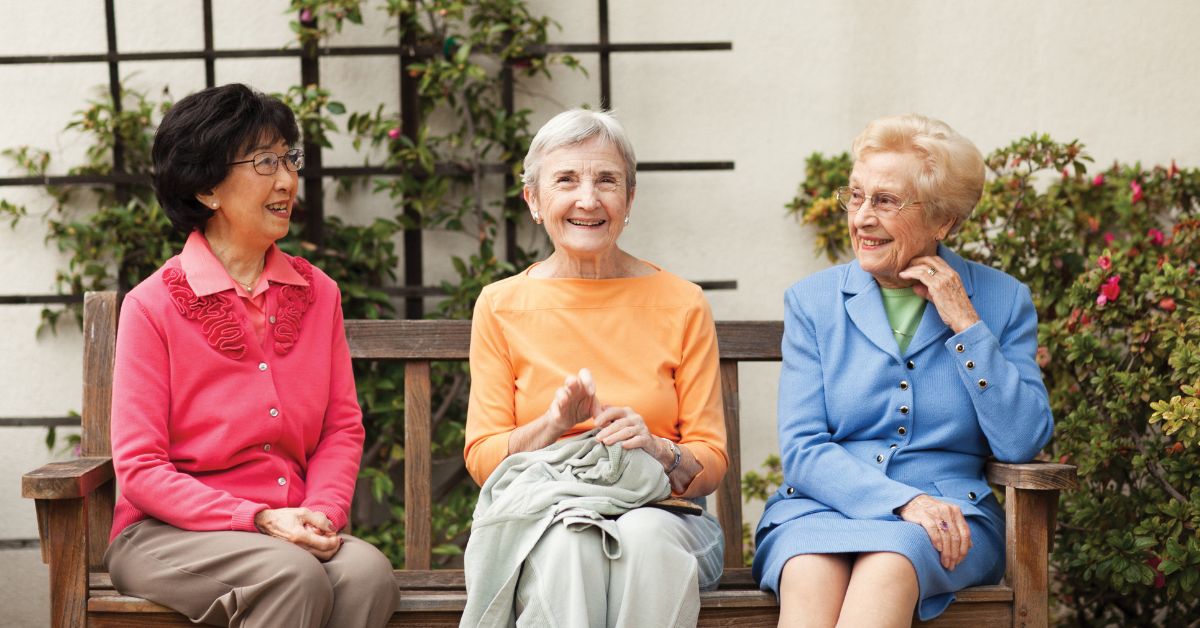
Gratitude does something remarkable in community settings. It transforms simple retirement homes in Pasadena, CA, into thriving communities where both residents and staff experience genuine connection, deeper purpose and measurable emotional well-being. Yet gratitude isn’t just sentiment, but rather a strategic practice that fundamentally reshapes how people relate to one another.
This guide explores how intentional appreciation practices create the conditions where authentic community flourishes. Understanding this connection helps you recognize what distinguishes merely convenient housing from genuinely nourishing community.
Why Gratitude Becomes the Foundation of a Strong Community
Communities are built on how people feel about one another. Gratitude directly shapes those feelings.
The Research on Connection and Health
Research demonstrates that strong social ties are associated with reduced mortality risk and greater overall well-being. The connection is scientifically established: people with meaningful relationships age better. Yet meaningful relationships don’t emerge from proximity alone—they develop through consistent practices of recognition and appreciation.
When residents and staff regularly express thankfulness, something shifts. People feel seen. They experience being valued. This recognition creates psychological safety, the essential foundation where authentic relationships develop.
Emotional Resilience Through Appreciation
Consistent gratitude practice significantly reduces stress, anxiety and depressive symptoms. For older adults navigating aging’s inevitable challenges, this resilience matters profoundly. Grateful individuals approach obstacles with greater optimism and recover more quickly from setbacks.
The mechanism is straightforward: gratitude activates brain regions associated with positivity and social bonding while reducing activity in areas processing threat and stress. The neurological shift supports emotional stability.
Enhanced Staff-Resident Dynamics
When residents express appreciation, staff feel genuinely valued rather than performing obligatory tasks. This transforms caregiving interactions from functional to relational. A nurse administering medications becomes a person you recognize and thank. A housekeeper maintaining your space becomes someone whose contribution you acknowledge. These relational subtle yet profound shifts change the entire care experience.
Similarly, when staff approach residents with genuine gratitude for their contributions to the community, residents feel respected rather than managed. This mutual appreciation elevates the entire social ecosystem.
How Residents Build Community Through Gratitude Practices
Simple, consistent practices transform how residents relate to one another and to the broader community.
1. Gratitude Moments During Shared Meals
Mealtimes create natural gathering points. Brief appreciation moments before dining where residents or staff share what they’re grateful for weave gratitude into daily rhythm. These practices become cherished rituals that residents anticipate and value.
The magic lies in consistency. When gratitude becomes expected, people prepare mentally. They notice what they’re appreciating throughout the day. The practice extends beyond mealtimes into heightened daily awareness.
2. Handwritten Thank-You Notes as Relationship Anchors
Card-making workshops serve dual purposes: creative engagement and intentional appreciation. Residents write thank-you notes to staff, peers and family members. These handwritten expressions can feel more meaningful than digital messages and become treasured keepsakes. Family members who write appreciation notes during visits extend gratitude beyond facility walls. Recognition flows across generations, strengthening bonds between residents, staff and loved ones.
3. Structured Gratitude Circles and Storytelling
Scheduled appreciation circles create protected space for sharing what people value. As one resident expresses thanks, others notice similar blessings they’d overlooked. Researchers call this “positive contagion,” where one person’s appreciation elevates others’ awareness and mood. These gatherings become vital support systems. People realize they’re not alone in struggles. They witness peers handling challenges with resilience. The shared experience creates genuine community bonds.
4. Recognition of Small Wins and Meaningful Milestones
Visible appreciation boards showcase daily kindnesses: helping a neighbor, completing a wellness goal, creating art, deepening friendships. These public acknowledgments accomplish multiple things: they celebrate achievements, encourage continued engagement and reinforce community values around caring.
Recognition matters psychologically. It signals that your contributions matter. It motivates continued participation. It builds the cultural identity that attracts more residents who value community connection.
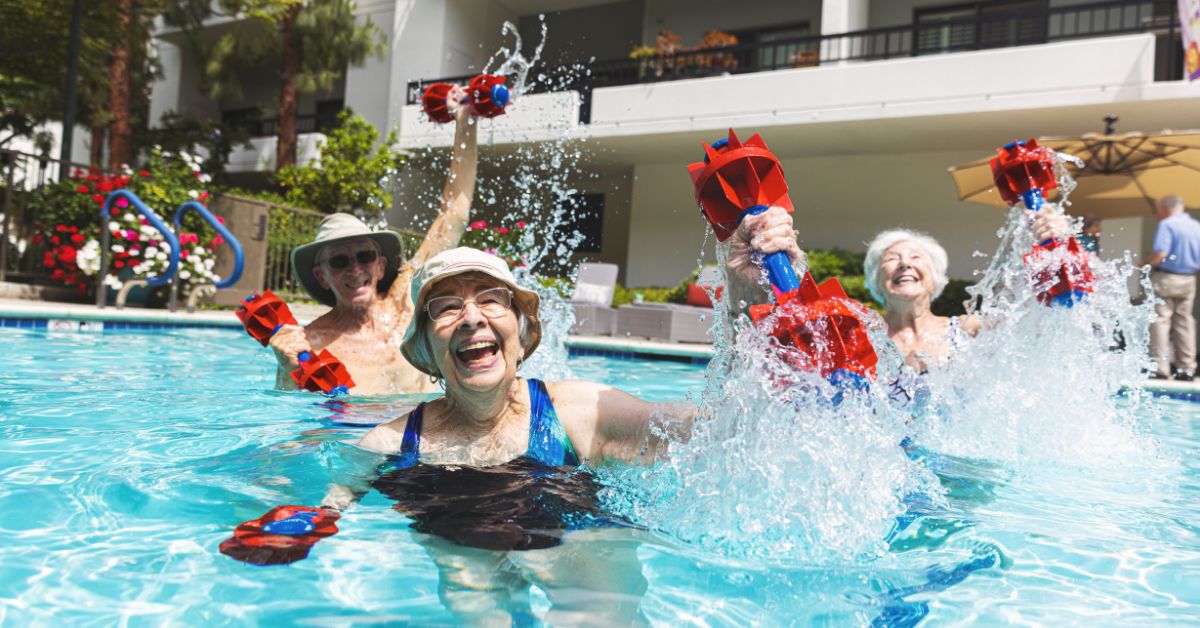
How Communities Intentionally Build Gratitude Culture
Thriving communities don’t stumble into appreciation culture—they build it deliberately.
Create Daily Appreciation Rituals
Morning gratitude circles where residents share thankful moments, gratitude jars where residents leave appreciation notes for staff weekly discussion, appreciation moments before meals are all rituals make gratitude structural rather than incidental.
Consistency transforms practice into culture. When appreciation becomes predictable, people prepare. They notice more. They participate more fully.
Train Staff in Gratitude-Based Communication
Staff shape community culture profoundly. Training programs that teach gratitude-focused communication strategies, such as expressing genuine appreciation, recognizing resident contributions, and communicating respect. create baseline expectations. Staff discover how recognition reduces frustration, builds rapport and makes caregiving more meaningful.
When staff feel valued by leadership and residents, job satisfaction increases. Burnout decreases. Employee retention improves. The benefits cascade.
Design Physical Spaces for Natural Connection
Architecture shapes behavior. Open dining areas, comfortable lounges, outdoor courtyards with seating, well-maintained gardens and walking paths—these environments invite natural social interaction. People gather not because required but because spaces invite gathering.
Additionally, beauty matters. Well-tended gardens, water features, pleasant common areas—these surroundings elevate mood and create settings where people feel cared for and safe.
Publicly Recognize Acts of Kindness
Appreciation boards that showcase community generosity reinforce caring behavior. When residents see kindness being noticed and celebrated, more participate. Visibility creates culture shift.
Invite Families Into Gratitude Practices
Family involvement strengthens bonds across generations. When families participate in gratitude circles, write appreciation notes during visits and contribute to recognition events, they extend community culture into their own lives. They become ambassadors for the values that define the community.
Why Gratitude Culture Matters, Particularly at Villa Gardens
Villa Gardens, nestled in Pasadena’s vibrant heart with ready access to cultural institutions, arts and intellectual resources, attracts residents who value connection and meaning. The community’s distinctive culture—shaped by many retired educators and intellectuals—naturally emphasizes relationship, discussion and mutual respect.
When residents and staff at Villa Gardens practice intentional gratitude, they’re working within an existing cultural alignment. The community already values conversation, shared learning and meaningful engagement. Gratitude practices amplify these natural inclinations.
This matters profoundly. Gratitude doesn’t feel forced at Villa Gardens because it aligns with community identity. When new residents arrive and experience consistent appreciation—for their contributions, their stories, their presence—they feel genuinely welcomed into a community that recognizes their value.
Beginning Your Gratitude Practice
Whether you’re considering retirement community living or already settled, these practices strengthen your experience immediately.
Notice What You’re Grateful For
Start simply. Each day, identify three specific things you appreciate. Not generic gratitude but authentic recognition. “I’m grateful for Margaret’s kindness when I felt discouraged” rather than “I’m grateful for friends.” Specificity creates deeper neural engagement.
Express Appreciation Directly
Tell someone thank you. Notice what you’re appreciating and say it. This direct expression strengthens relationships and makes both people feel more connected.
Participate in Community Appreciation Practices
If your community offers gratitude circles, appreciation events or recognition activities, participate actively. These gatherings are where community bonds deepen most meaningfully.
Invite Your Family Into This Practice
Share your gratitude with visiting family members. Suggest appreciation moments during visits. When families understand what creates meaningful community, they often want to contribute.
Experience Villa Gardens’ Community Culture
Villa Gardens exemplifies how gratitude transforms housing into genuine community. The community environment of Pasadena’s cultural resource and thoughtfully designed spaces provides infrastructure. But the human practice of appreciation provides the soul.
Residents at Villa Gardens aren’t simply housed; they’re genuinely welcomed into a community that recognizes their value. Staff aren’t simply performing jobs; they’re contributing to something meaningful. This mutual appreciation creates the atmosphere where people genuinely thrive.
To schedule your personalized tour at Villa Gardens, call us at (626) 463-5300.
FAQ
Q: How does gratitude specifically create stronger communities in retirement settings?
Gratitude reshapes how people relate. When residents and staff regularly express appreciation, they create psychological safety, which is the foundation where authentic relationships develop. People feel genuinely valued rather than simply served. This recognition generates reciprocal kindness and engagement. The result: genuine community bonds rather than coincidental proximity. Research shows that communities with strong social connections have measurably better health outcomes and higher resident satisfaction.
Q: What’s the difference between just saying thank you and building genuine gratitude culture?
Consistency and intentionality matter tremendously. Casual thank-yous are pleasant but fleeting. Structured gratitude culture like daily appreciation moments, gratitude circles, recognition events, and card-making workshops makes appreciation structural. When practices become rituals, people prepare mentally. They notice more. They participate more fully. Consistency transforms individual actions into cultural identity.
Q: Why should families participate in community gratitude practices?
Family involvement strengthens bonds across generations and extends community values into residents’ broader lives. When families participate in gratitude circles, write appreciation notes or contribute to recognition events, they signal that these values matter. They also deepen their own relationships with residents by engaging in meaningful, shared practices rather than transactional visits.
Q: How does staff appreciating residents create better care experiences?
When staff genuinely acknowledge and value residents’ contributions, residents feel respected rather than managed. A caregiver who says “I’m grateful for your kindness to others here” creates a relational interaction rather than a functional task. This shift fundamentally changes how residents experience care. They’re no longer patients receiving service; they’re valued community members receiving support.
Q: Is Villa Gardens the right community if I value genuine connection?
If you seek authentic community, where appreciation is practiced genuinely, where your contributions matter, where you’ll form meaningful friendships, Villa Gardens aligns with those priorities. The community’s culture, shaped by retired educators and intellectuals, naturally emphasizes relationship and mutual respect. Gratitude practices amplify these existing strengths. We recommend visiting, observing how residents and staff interact, and speaking with current residents about how community connection shapes their experience here.
Read Our Front Porch Blogs
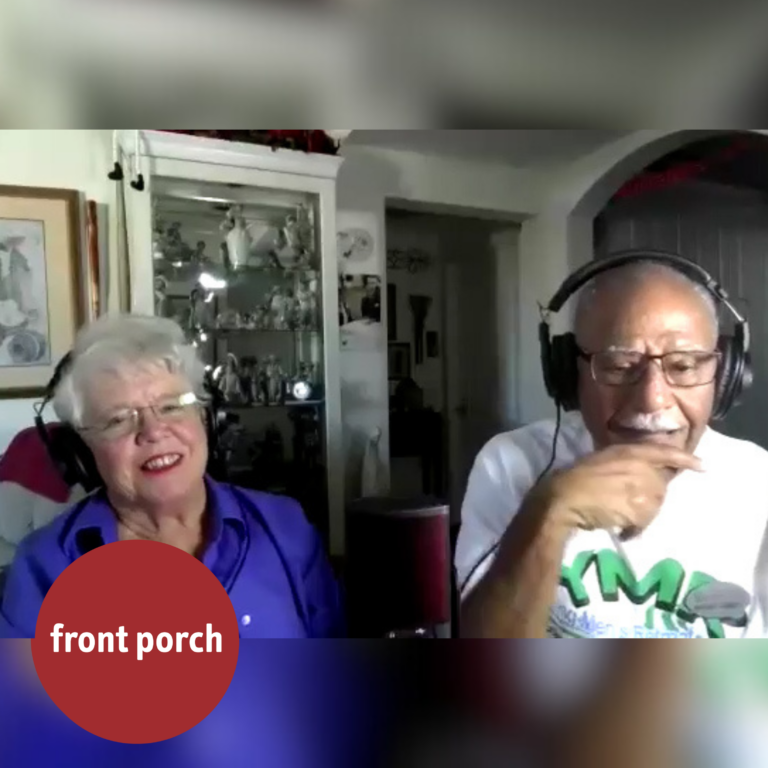
Front Porch Podcast – Episode 8: Belonging: The Heart of Community—with Arthur Liggins & Candace Young-Schult
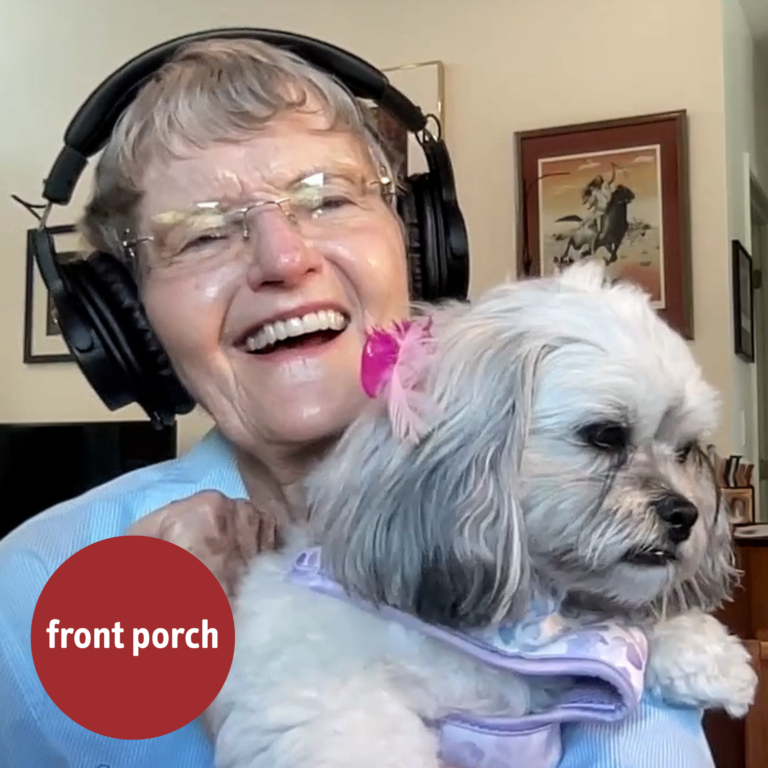
Front Porch Podcast – Episode 7: Commander Beth Coye: A Warrior for Equality
