April 17, 2026
Independent Living Communities: How Seniors Thrive Daily
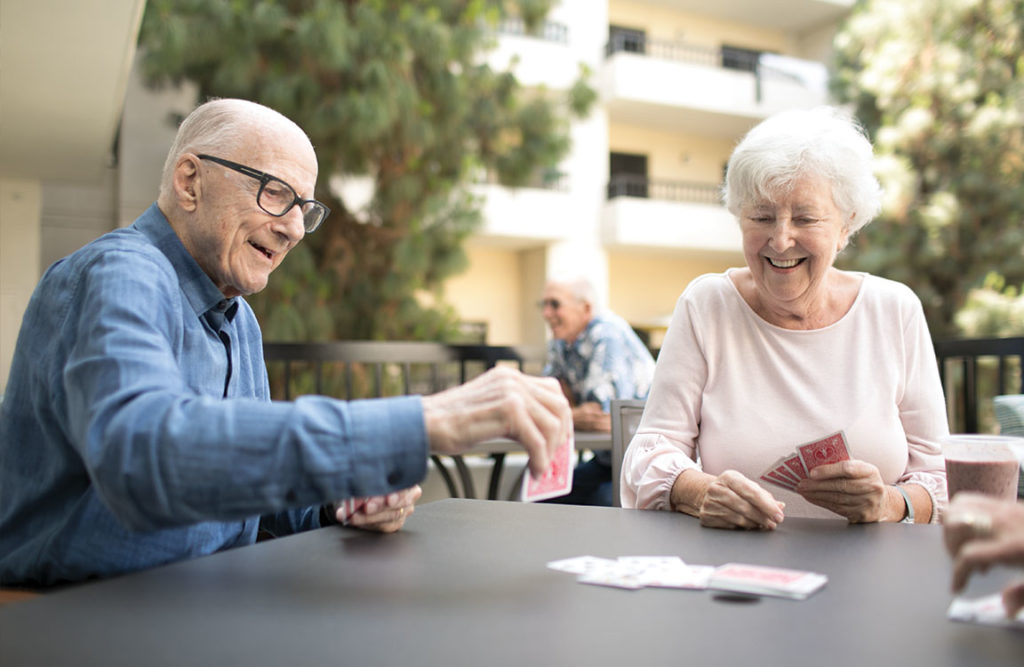
Picture this: older adults who spend just 2.5 to 5 hours each week engaging in moderate exercise have a lower risk of mortality compared to those who exercise less frequently. Active aging goes far beyond keeping busy—it means creating the best possible health, participation and comfort during these essential years. Independent living communities in Pasadena, CA, have evolved from basic care settings into welcoming communities where residents focus on staying vibrant and caring for their overall well-being.
The transition to an active aging community isn’t just about housing—it’s an investment in a lifestyle that optimizes your physical vitality, mental engagement and social fulfillment during your later years.
Independent living communities in Pasadena, CA, empower seniors to thrive through active aging—combining daily physical activity, creative enrichment and meaningful social connections. With just 30 minutes of exercise daily, residents enjoy better brain health, reduced disease risk and lasting friendships that truly enhance their quality of life.
Why Is Physical Activity Key to Active Aging in Independent Living Communities?
Regular movement becomes your pathway to independence and a richer, more fulfilling quality of life. Exercise brings immediate benefits, such as improved sleep and reduced anxiety, as well as long-term protection against chronic diseases.
The 30-minute advantage: What the research says
Something extraordinary happens when older adults commit to just 30 minutes of daily physical activity—their health changes in measurable ways. Research shows that seniors who exercise 30 minutes daily have fewer Alzheimer’s disease markers in their brains (Moxley, 2024). The CDC recommends at least 150 minutes of low-impact activity each week (equivalent to 30 minutes, five days a week) or 75 minutes of vigorous activity. This small daily commitment brings big rewards:
- Brain Health: Cuts dementia and depression risk
- Heart Protection: Lowers the chances of heart disease, stroke and type 2 diabetes
- Cancer Prevention: Reduces the risk of eight different cancer types
- Independence: Helps older adults live independently much longer
Popular group classes
Independent living communities shine when it comes to group fitness classes—they blend physical benefits with real friendships. Tai chi has become the top choice at many geriatric medicine centers because it improves balance, prevents falls and works for every mobility level. Walking clubs have also gained popularity, as walking requires no special gear and steadily builds endurance when practiced regularly.
How laughter and movement lower cortisol and boost immunity
Here’s something amazing: when you combine physical activity with social fun, your health gets a double boost. Studies show that spontaneous laughter during group life enrichment programs can drop cortisol levels by about 32% compared to serious activities (Kramer & Leitao, 2023). Lower cortisol protects your hippocampus—the brain area that handles learning and memory. Regular moderate exercise also strengthens your immune system, making movement truly “good medicine” for older adults.
How Do Independent Living Communities Foster Mental And Emotional Wellness?
Caring for your mind is every bit as essential as caring for your body when it comes to active aging. Independent living communities create environments where residents can flourish emotionally through thoughtful life enrichment, social opportunities and meaningful connections. These communities understand that feeling fulfilled comes from many places—expressing creativity, engaging your mind and building genuine relationships with others.
Book clubs, art classes and music therapy
Creative and intellectual programs keep minds sharp while providing residents with healthy ways to express their emotions. Book clubs bring people together around shared stories, sparking interesting conversations and helping memory stay strong. These book gatherings do more than keep minds active—they also fight loneliness through regular get-togethers.
Art classes offer remarkable healing benefits, helping residents express feelings that may be difficult to put into words. Art therapy can calm anger and irritation while encouraging more positive thoughts. Independent living communities often offer watercolor, acrylic, drawing and clay classes that also help keep hands nimble and coordination sharp.
Music therapy works wonders, too. Residents who participate in group singing programs tend to feel less depressed and lonely. What’s even more impressive is that music therapy patients improved their mood more than those who only took medication.
The role of purpose-driven volunteering
Many people feel lost after leaving their careers behind. Programs with real purpose help fill that gap with meaningful connections, pride and motivation. Volunteering gives residents a vital sense of purpose—enabling them to utilize their lifetime of skills to make a real difference.
Independent living communities facilitate deep social connections that improve longevity and heart health
The social atmosphere within independent living communities provides the ideal foundation for forming lasting friendships. Strong social connections can dramatically reduce cognitive decline and the risk of dementia. These friendships also bring real physical benefits like lower blood pressure, less hypertension and better heart health.

Active Aging In Independent Living Communities
Active aging means so much more than just filling your days with activities. We’ve explored how independent living communities have evolved into warm, welcoming communities that prioritize every aspect of your wellness. Exercise clearly plays the starring role—those 30 daily minutes create notable changes for your brain, heart and independence.
What stands out most is how the friendships you build in these places actually improve your health. Strong relations reduce the risk of cognitive decline and help your heart—it’s like taking medicine that feels good. Having museums, parks and community events nearby just makes everything even better.
Want to see what this looks like? Call Villa Gardens at (626) 463-5300 and schedule a tour to experience how our community supports the active aging lifestyle you deserve. Many residents tell us that their only regret is not having made this move sooner.
FAQs
Q1. What are the main benefits of living in an active-aging independent living community?
Active-aging independent living communities support physical, mental and social wellness through fitness programs, enriching life enrichment and built-in social connections. This holistic approach can improve cognitive health, lower mortality risk and enhance overall quality of life.
Q2. How much physical activity do seniors need in independent living communities?
The CDC recommends at least 2.5 hours of moderate activity per week for seniors—about 30 minutes a day, five days a week. This level of movement supports heart health, helps prevent chronic conditions and promotes long-term independence.
Q3. Why is social connection essential to active aging in independent living communities?
Social connection is a key driver of active aging. Strong relationships can reduce cognitive decline by up to 70% and support cardiovascular health. Independent living communities encourage these bonds through shared life enrichment, events and volunteer opportunities that strengthen both health and longevity.
Read Our Front Porch Blogs
Older Americans Month 2026: Championing Your Health at Front Porch
Investing in community: the story of David and Jane Kretzmann