October 26, 2025
Reminiscence Therapy Benefits for Seniors in Care Facilities for Dementia
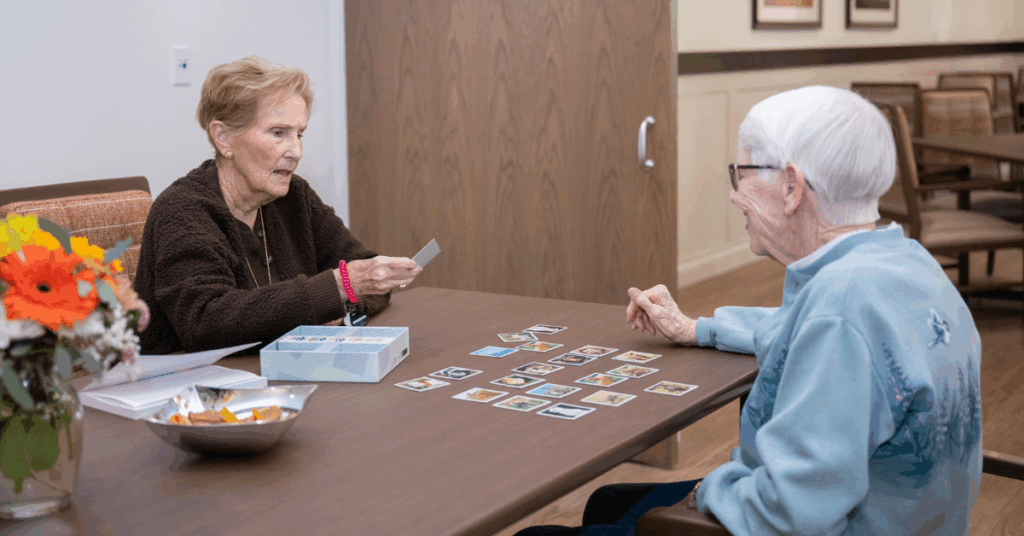
Reminiscence therapy enables seniors to reconnect with memories. For older adults in care facilities for dementia in Orange County, CA, this approach is more than simply recalling the past – it’s about honoring life stories. For people living with dementia, familiar memories can remain clear even as recent recall becomes challenging. That’s why quality memory care communities use reminiscence therapy to support emotional well-being and cognitive engagement.
What is Reminiscence Therapy and How It Works
Reminiscence therapy encourages residents to share life stories and personal memories through sensory experiences such as music, photographs, and familiar objects.
The process uses guided recall of past events through various sensory triggers—family photographs, favorite music, familiar objects or distinctive scents—that stimulate personal memory and create meaningful moments. These memory prompts awaken emotional connections and spark meaningful conversation. By focusing on what remains strong (namely, a lifetime of experiences, wisdom, and identity), reminiscence therapy helps residents feel seen, valued, and understood.
Why it matters for dementia care
For people living with Alzheimer’s disease or other forms of dementia, reminiscence therapy builds confidence and connection. Instead of emphasizing loss, it celebrates strengths. This person-centered approach aligns with our philosophy of empowering individuals to live with dignity, purpose, and meaning at every stage of life.
Three approaches to reminiscence therapy
- Simple reminiscence invites open sharing of enjoyable personal stories, ideal for older adults experiencing early-stage or mild memory loss.
- Evaluative reminiscence (life review) takes a more structured path, exploring life experiences in chronological order. This method examines both positive and challenging memories, offering guided reflection across life stages and helping residents find meaning and emotional balance.
- Life story work creates a complete biographical narrative, focusing on a keepsake such as a memory book, connecting past, present, and future.
Emotional and Cognitive Benefits for Older Adults
Reminiscence therapy significantly enhances self-esteem and creates coherent life narratives, helping older adults develop positive feelings about their experiences. Some of the benefits include:
- Supporting emotional well-being by reinforcing identity and self-worth.
- Reducing anxiety and depression through familiar, comforting experiences.
- Encouraging cognitive stimulation by activating long-term memory and verbal skills.
- Building social connections within the community, reducing isolation.
Reminiscence therapy also builds resilience by strengthening the meaning of life, coherence and coping skills. Participants show improved perception of meaning in their experiences and develop better stress management approaches. These benefits make reminiscence therapy an essential part of holistic dementia care in senior living communities.
Reminiscence Therapy Activities
Effective reminiscence therapy centers on activities designed around each person’s unique history. Memory care communities in Orange County, CA, use diverse approaches so residents can enjoy personalized activities that draw on their unique histories, interests, and abilities.
Music and familiar sounds
Music reaches brain areas that dementia affects less, making it particularly powerful for memory connections. Songs from a person’s teens and twenties often create the strongest responses since these formative years hold especially vivid memories that remain accessible.
Photos, personal items and videos
Family photographs, cherished keepsakes and vintage images serve as gentle memory doorways. Digital collections featuring personalized photo selections have proven effective at sparking recollection and lifting spirits.
Touch and sensory connections
Items with distinct textures, familiar scents or recognizable tastes can unlock memories through different pathways. Tools from former careers or hobby supplies often trigger detailed stories about experiences that shaped an individual’s identity.
Conversation and life stories
Guided conversations about specific time periods help organize memories into meaningful narratives. Life story books that combine personal accounts with photographs create lasting resources for ongoing reminiscence sessions.
Individual sessions vs. group activities
Group sessions build social connections and shared experiences, while individual sessions allow deeper exploration of personal memories. The best choice depends on each resident’s personality and current cognitive abilities.

Recognizing Each Story at Walnut Village
Our memory care program uses reminiscence therapy to connect residents with their sense of self, creating moments of joy, laughter, and understanding. Dementia may change how someone remembers, but it never diminishes the person they are.
Reminiscence therapy succeeds because it focuses on capability rather than limitation. Each session affirms that while dementia may affect recent memory, it cannot diminish the value of a life lived with purpose, relationships and meaning. For families exploring memory care options, contact us at (714) 507-7000 to learn more about Walnut Village.
FAQs
Q1. How does reminiscence therapy benefit seniors with dementia?
Reminiscence therapy helps seniors with dementia enhance cognitive function, reduce anxiety and depression, and strengthen emotional well-being. By revisiting meaningful life experiences, residents maintain a strong sense of identity and purpose.
Q2. What activities are included in reminiscence therapy?
Common activities include listening to music, viewing photographs, handling personal keepsakes and storytelling. These personalized experiences stimulate memory and build meaningful connections.
Q3. Can families take part in reminiscence therapy?
Absolutely. Family involvement deepens the connection and enhances the resident’s sense of belonging. Families are encouraged to share photographs, music, or mementos that bring comfort and familiarity to their loved ones.
Read Our Front Porch Blogs
LPGA Hall of Famer Amy Alcott Named First-Ever Front Porch Ambassador
Older Americans Month 2026: Championing Your Health at Front Porch