
June 6, 2025
Inspire & Connect: Leading Hobby Groups for Seniors
Wellness centers for seniors in Palo Alto, CA offer the perfect setting for hobby groups that genuinely improve quality of life.
New hobbies wake up your brain, lower stress levels and boost overall wellness—benefits that matter deeply as we age. Sharing your skills and passions with others creates meaningful connections while supporting brain health.
Hobby activities for independent living seniors deliver much more than simple entertainment. They serve as essential tools for keeping minds sharp and bodies active. Hobbies provide the mental stimulation needed to support cognitive function and possibly reduce the risk of cognitive decline.
The Emotional Power of Hobbies in Senior Life
Meaningful hobbies create profound emotional benefits for seniors that go far beyond simple entertainment. Creative and social activities are essential tools for emotional well-being. Up to one in three older adults feel lonely in some countries.
Boosting self-worth through shared passions
Seniors who regularly enjoy meaningful activities report feeling happier and healthier. Pursuing hobbies directly correlates with higher life satisfaction. This emotional lift comes from the genuine sense of purpose and achievement hobbies provide, especially when shared with others who appreciate similar interests.
Reducing loneliness with group engagement
Group hobbies build meaningful social connections that fight isolation head-on. Social isolation can harm health. This emphasises how vital social engagement becomes even more important as we age. These benefits appear across many activities—from book clubs to gardening groups—because shared experiences naturally create bonds between people who discover common interests and viewpoints.
Improving memory and focus through creative tasks
Creative activities offer vital mental stimulation that helps maintain sharp thinking. Hobbies involving imagination, novelty and self-expression engage multiple brain areas simultaneously. Studies indicate that creative engagement helps protect against cognitive decline in elderly individuals. This protection comes from how creative activities enhance:
- Memory retention through storytelling and shared experiences
- Problem-solving skills through new challenges
- Concentration through focused attention on enjoyable tasks
- Communication abilities through group interactions
How to Start a Hobby Group in Independent Living Communities
Creating vibrant hobby groups in independent living communities brings joy and connection to residents. Hobby clubs are powerful tools for maintaining active social lives and fostering a sense of belonging among participants.
1. Identify shared interests among residents
The foundation of any successful resident-led club lies in discovering common interests. Start by conducting surveys with various hobby options and leaving space for residents to write in their own ideas. Casual conversations during community gatherings often reveal passions that formal surveys might miss. Pay close attention to what residents genuinely enjoy—remember what they loved doing before moving to assisted or independent living.
2. Set a regular schedule and clear goals
Once you’ve identified common interests, establish a clear structure and purpose:
- Schedule meetings consistently at the same time and place—people are creatures of habit
- Work with resident leaders to set achievable goals for the club
- Create a flexible structure that accommodates diverse abilities while maintaining organization
- Post daily schedules in visible areas and create special flyers for unique programs
3. Encourage trial sessions for new members
Independent living communities foster environments where residents can try new things without fear of judgment. Arrange “trial sessions” where interested residents can participate without commitment. These introductory meetings help newcomers feel welcome while determining if the activity matches their interests.
Consider hosting community events to showcase your group’s activities. These outreach opportunities add to residents’ happiness while introducing your hobby club to potential new members.
Popular Hobby Groups That Inspire and Connect
Hobby groups create wonderful spaces to share your passions while building meaningful friendships. These groups welcome various interests, letting you try new activities or deepen existing skills among supportive peers.
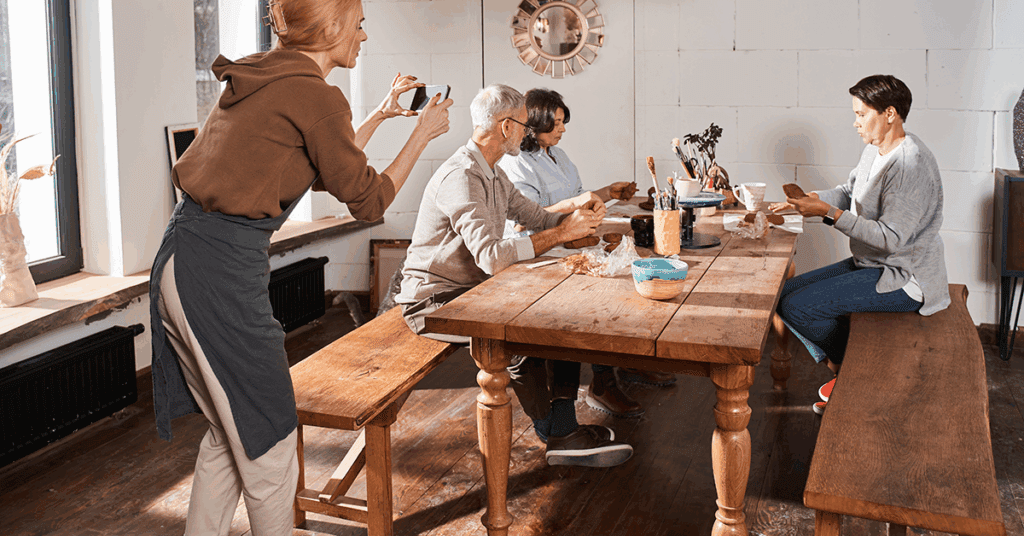
- Arts & Crafts Circles: Creating art delivers healing benefits beyond straightforward enjoyment. You’ll notice improved mood, less agitation and better emotional balance when you engage in arts and crafts. Making art builds connections between people while encouraging self-expression and creativity.
- Gardening Clubs: If you love getting your hands dirty and watching plants grow, gardening clubs offer ideal physical activity and social connection opportunities. These gatherings let you share gardening knowledge while preserving meaningful traditions.
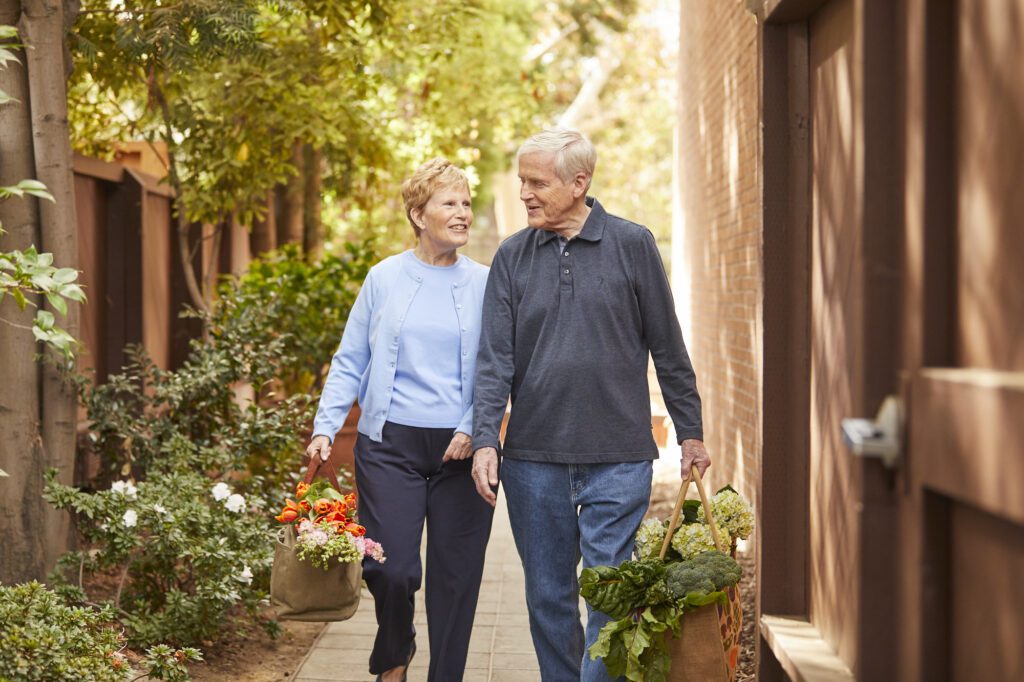
- Walking and Wellness Groups: Walking groups provide an easy way to stay healthy and connected without strenuous exercise. These gentle gatherings support heart health, muscle strength and joint mobility while creating natural opportunities for friendship. Regular walks reduce stress and lift your mood through endorphin release.
- Book and Discussion Clubs: Book clubs turn solitary reading into shared experiences. Beyond discovering new authors, these groups create thoughtful talks and perspective-sharing spaces.
- Music and Choir Ensembles: Joining a choir can benefit you in many ways, from better breathing to sharper thinking. Singing groups welcome all skill levels and focus on the joy of making music together rather than perfect performances. These groups build fellowship through shared musical moments, fighting isolation while providing creative satisfaction.
- Cooking and Recipe Exchanges: Culinary groups blend friendly interaction with healthy eating benefits. Cooking together builds friendships, encourages better nutrition and offers chances to share cultural backgrounds. These gatherings stimulate your mind through recipe following while creating warm environments where everyone connects through food.
The Lasting Impact of Hobbies
Hobby groups truly turn into lively spaces filled with connection and creativity. This guide shows how these activities deliver more than just entertainment—they provide essential brain stimulation, emotional satisfaction and meaningful relationships. Your leadership makes these benefits real for everyone involved.
Success doesn’t just come from the number of people who attend your group. It comes from the quality of connections formed between participants. People who walk in as strangers often leave as friends, building support networks that continue outside scheduled meeting times. Watching someone discover a new passion or reconnect with a forgotten hobby brings a deep satisfaction that enriches your life, too.
Webster House gives you the a setting to explore your leadership potential through various resident-led activities. Each hobby group you lead helps build a community where creativity flourishes and loneliness fades. Starting something new might feel challenging, but bringing people together through shared interests creates rewards that can’t be measured.
Ready to share your skills and build meaningful connections? Call (650) 327-4333 today and discover how your passions can inspire others at Webster House.
FAQs
Q1. What are some popular hobbies for seniors?
Popular hobbies for seniors include walking and hiking, gardening, arts and crafts, book clubs, music and choir groups and cooking clubs. These activities offer physical, mental and social benefits while catering to various interests and abilities.
Q2. How can hobby groups benefit seniors?
Hobby groups can significantly improve seniors’ quality of life by boosting self-worth, reducing loneliness and enhancing cognitive function. They provide opportunities for social interaction, skill-sharing and creative expression, contributing to overall well-being and life satisfaction.
Q3. What’s the best way to start a hobby group in a senior living community?
To start a hobby group, first identify shared interests among residents through surveys or casual conversations. Then, set a regular schedule and clear goals for the group. Encourage trial sessions for new members to help them feel welcome and determine if the activity suits their interests.
Read Our Front Porch Blogs
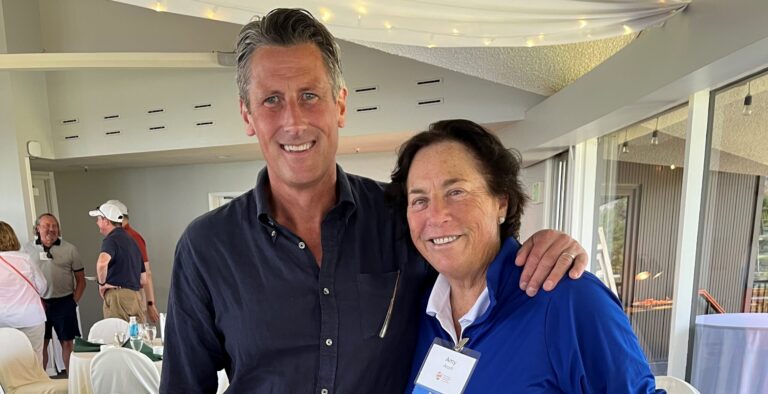
LPGA Hall of Famer Amy Alcott Named First-Ever Front Porch Ambassador
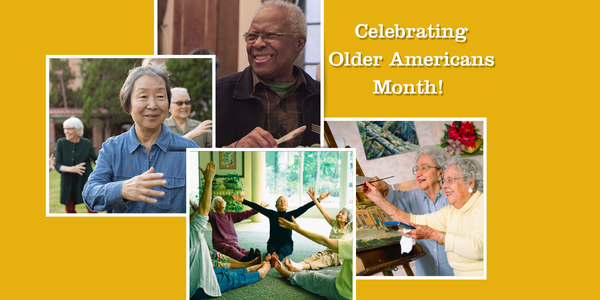
Older Americans Month 2026: Championing Your Health at Front Porch