

May 16, 2025
Healthy & Happy: Independent Living Life
Selecting the right senior living community in Pacific Grove, CA, connects you with wellness programs tailored specifically for healthy aging. Health experts suggest 150 minutes of moderate exercise each week. Your quality of life flourishes further when you maintain meaningful social connections and enjoy a balanced, rich diet. These three elements—physical activity, proper nutrition and social engagement—create the perfect foundation for truly thriving in independent living.
Building Healthy Daily Habits
Creating sustainable, healthy habits doesn’t require dramatic lifestyle changes, particularly during your retirement years. Rather than tackling major transformations, embrace manageable daily routines that foster wellness. Residents in independent living communities consistently discover that small, regular changes deliver the most meaningful long-term benefits.
Easy ways to stay active without overdoing it
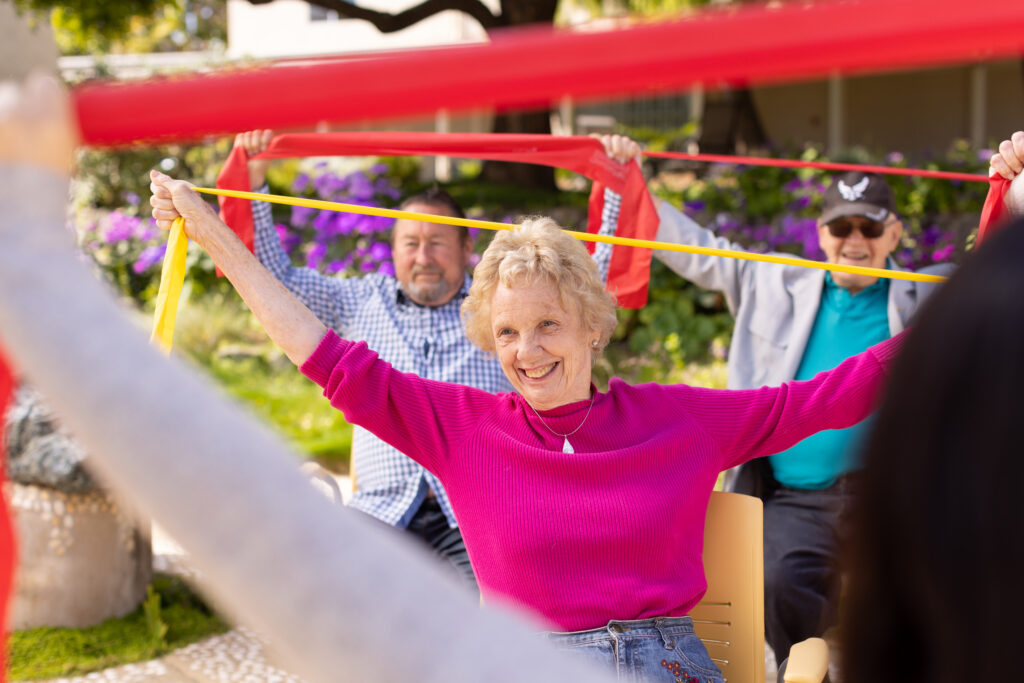
Low-impact exercises prove especially valuable because they reduce joint stress while delivering excellent health benefits. Water exercises deserve your consideration since they support joints while providing natural resistance to build muscle strength. Gentle practices like tai chi can improve balance and significantly cut fall risk. These approachable exercise options fit perfectly into senior lifestyles:
- Chair exercises: Simple seated movements improve flexibility and strength when standing exercises feel too challenging.
- Walking: A daily stroll around your community strengthens your heart while creating natural opportunities to connect with neighbors.
- Swimming or water aerobics: Water’s buoyancy protects your joints while its resistance builds strength effectively.
- Yoga or tai chi: These gentle practices simultaneously enhance balance, flexibility and mental focus.
Eating well without overcomplicating meals
Nutritional needs shift as we age, yet meeting these needs shouldn’t require complex meal planning. Many seniors gradually lose interest in cooking due to changing taste buds, physical limitations or simply decades of preparing the same dishes. Still, proper nutrition remains essential for healthy aging.
Choose nutrient-dense foods that offer maximum benefits without unnecessary calories. Older adults are advised to select foods rich in nutrients yet modest in calories—lean proteins, complex carbohydrates, healthy fats, vitamins and minerals.
Staying hydrated: small changes, big impact
Older adults face specific hydration challenges. Most notably, the thirst sensation diminishes with age, meaning you might not feel thirsty even when your body needs water. Additionally, natural changes in kidney function affect your body’s ability to conserve fluids. Improve hydration with these simple approaches:
- Keep water within easy reach—a refillable bottle that travels with you ensures constant availability.
- Add natural flavor with sliced fruits, herbs or a splash of juice.
- Choose foods with high water content, like cucumber and soup.
- Create hydration habits—drink water with meals, medications and first thing each morning.
Staying Connected and Finding Joy
Social connections serve as the heartbeat of a truly fulfilling retirement lifestyle. Older adults who maintain strong social relationships can enjoy better cognitive function and face fewer struggles with anxiety and depression. These connections go far beyond simple companionship—they profoundly shape both mental and physical health throughout your senior years.
How social connection boosts emotional health
The power of social engagement on emotional well-being simply cannot be overstated. Studies reveal that seniors who maintain active social lives can show up to 45% lower mortality risk compared to those experiencing isolation. This makes addressing social disconnection just as vital to your health as managing physical conditions. Regular social connection delivers remarkable health advantages:
- Lower stress levels and reduced blood pressure
- Stronger immune system function
- Reduced risk for serious conditions like heart disease and stroke
- Fewer symptoms of depression and anxiety
Truly Thriving
Retirement should bring joy and purpose rather than worry about managing everyday tasks. Quality independent living communities strike that perfect balance between personal freedom and helpful support, letting you focus on what truly matters – enjoying each day fully. Contact us at (831) 373-3111 to schedule a tour of our independent living community, Canterbury Woods.
FAQs
Q1. How can I have an active lifestyle in my senior years without overexerting myself? Focus on low-impact exercises like chair exercises, walking, swimming or tai chi. Try to do 150 minutes of light exercise weekly, broken into 10-15 minute sessions throughout the day. This approach helps improve strength, balance and well-being without putting too much stress on your body.
Q2. What are some simple ways to improve my nutrition as I age? Prioritize nutrient-dense foods like lean proteins, complex carbohydrates and plenty of fruits and vegetables. Keep nutritious staples on hand, embrace one-pan cooking methods and consider batch cooking. Many independent living communities also offer balanced meal programs that ensure proper nutrition without the hassle of preparation.
Q3. Why is staying hydrated important for seniors and how can I ensure I’m drinking enough? Hydration is key for cognitive function and overall health. As the sense of thirst diminishes with age, it’s important to be proactive. Keep water easily accessible, enhance flavor naturally, consume water-rich foods and establish hydration routines like drinking water with meals and medications.
Q4. How does social connection impact health in older adults? Strong social connections can significantly improve cognitive function and reduce the risks of anxiety. Regular social interaction can lower stress levels, enhance immune system function and decrease the risk of conditions like heart disease and stroke. Engaging with others also provides mental stimulation, which is beneficial for brain health.
Read Our Front Porch Blogs
Investing in community: the story of David and Jane Kretzmann

Front Porch Podcast – Episode 8: Belonging: The Heart of Community—with Arthur Liggins & Candace Young-Schult