

March 12, 2026
Managing Diabetes and Heart Health: Senior Living Food Guide
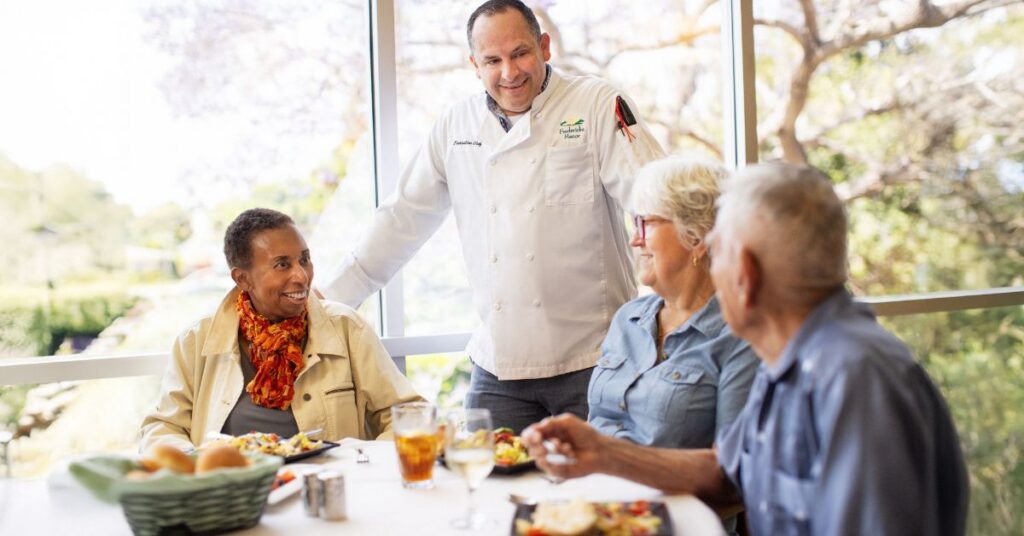
Senior living in Claremont, CA, can prepare meals that address medical requirements while remaining enjoyable. When assessing senior living, seek out registered dietitians on staff who openly share nutritional information and include resident feedback in menu planning.
Nutrition plays a crucial role in seniors’ overall health and well-being. Proper nutrition can help prevent diseases, support immune function, and improve cognitive health.
This guide explains how senior living uses diabetic dinner ideas and cardiac diabetic diet recipes through evidence-based methods like the plate method and culinary techniques that honor both medical needs and your loved one’s dining experience.
How Do Senior Living Communities Manage Low-Sodium and Low-Glycemic Diets Simultaneously?
The challenge
Managing both sodium and blood sugar involves complex meal planning. Communities address this by adopting dietary strategies that support both heart and metabolic health. The challenge becomes even greater as many low-sodium processed foods contain added sugars, which can increase blood glucose levels. Additionally, some diabetic-friendly products have excessive sodium for flavor. Your loved one’s meals depend on communities that understand these conflicting needs.
The plate method works
The DASH diet lowers blood pressure by 3.2 and 2.5 mm Hg in adults. Senior living communities often adapt this approach using the diabetes plate method: half of your plate includes non-starchy vegetables like broccoli, spinach, and cauliflower. One quarter consists of lean proteins such as grilled chicken, baked salmon, or Greek yogurt. The remaining quarter contains quality carbohydrates like quinoa, brown rice, or whole-wheat pasta.
This visual approach makes portion control easy. Non-starchy vegetables provide fiber and nutrients without significantly affecting blood sugar. Lean proteins support muscle maintenance without excess saturated fat.
Five Heart-Healthy Superfoods You’ll Find in Quality Senior Communities

Leafy greens and cruciferous vegetables
Spinach, kale, broccoli, and Brussels sprouts provide vitamins, minerals, and protective compounds essential for cardiovascular health. Eating 100 grams of green leafy vegetables daily is linked to approximately a 25% reduced risk (Nurzyńska-Wierdak, 2025) of coronary heart disease and stroke death. Cruciferous vegetables contain natural compounds called glucosinolates that help lower blood pressure and improve cholesterol levels. These vegetables maintain low glycemic indexes while offering fiber that helps stabilize blood sugar levels.
Fatty fish rich in omega-3s
Salmon, mackerel, sardines, and tuna provide EPA and DHA omega-3 fatty acids that reduce inflammation and support heart health. People with higher omega-3 blood levels tend to have a lower risk of developing Alzheimer’s disease. Fish also helps manage diabetes because omega-3s lower the risk of heart disease.
Whole grains and ancient grains
Eating 50 grams of whole grains each day greatly lowers the risk of type 2 diabetes. Whole grains contain the bran, germ, and endosperm, which supply B vitamins, magnesium, iron, and fiber. Ancient grains like quinoa, farro, and bulgur provide complete proteins and help control blood sugar by slowing digestion.
Nuts, seeds, and healthy fats
Eating nuts more than twice weekly is linked to a lower risk of cardiac death and total coronary heart disease death. Nuts help lower LDL cholesterol without leading to weight gain. Consuming one-ounce servings five or more times a week offers optimal cardiovascular protection. Walnuts and flaxseeds also contain alpha-linolenic acid, an omega-3.
Berries and antioxidant-rich fruits
Women who consume three or more half-cup servings of blueberries or strawberries each week have a lower risk of heart attack. Berries contain anthocyanins that help lower blood pressure and enhance blood vessel function. Eating 150 grams of blueberries every day decreases the risk of cardiovascular disease.
Health Support
Your loved one deserves meals that support their health without sacrificing enjoyment. Senior living communities with registered dietitians, fresh ingredients, and modern culinary techniques can effectively balance diabetes management with heart health. Call (423) 541-9300 to schedule a tour of Claremont Manor and see how specialized dining combines medical needs with real flavor.
FAQs
Q1. What’s the best diet for a senior who has both diabetes and heart disease?
The best approach is a balanced, heart-smart diet that also keeps blood sugar stable. That usually means building meals around non-starchy vegetables, adding lean proteins or plant-based protein sources, choosing quality carbohydrates such as whole grains and fruit in controlled portions, and including healthy fats like those from nuts, seeds, or olive oil. It’s also important to limit added sugars, reduce highly processed foods, and stay well hydrated. This combination helps manage glucose levels while supporting overall cardiovascular health.
Q2. How do senior living communities handle both low-sodium and low-glycemic meal needs?
Many modern senior living communities follow a simple plate method to balance health concerns. Usually, half the plate is filled with non-starchy vegetables, one quarter with protein, and one quarter with quality carbohydrates. Meals are typically prepared from scratch using fresh ingredients, and instead of relying on salt, chefs use herbs and spices to boost flavor. Sodium levels are carefully monitored, and carbohydrate portions are controlled to help maintain steady blood sugar levels while also protecting heart health.
Q3. What are the most important heart-healthy foods for seniors with diabetes?
Some of the most important foods include leafy greens and cruciferous vegetables, which provide fiber and essential nutrients, along with fatty fish rich in omega-3s that support heart health. Whole grains can help regulate blood sugar when eaten in proper portions, while nuts and seeds support healthy cholesterol levels. Berries are another excellent choice because their antioxidants help protect blood vessels. Together, these foods promote better blood sugar control and stronger cardiovascular health.
Read Our Front Porch Blogs

Front Porch Podcast – Episode 8: Belonging: The Heart of Community—with Arthur Liggins & Candace Young-Schult

Front Porch Podcast – Episode 7: Commander Beth Coye: A Warrior for Equality
