
May 4, 2025
Ten Proven Arthritis Relief Strategies for Independent Seniors
According to the Centers for Disease Control and Prevention, arthritis affects one in four American adults, ranking among the most common health challenges seniors face today. In the more than 100 types of arthritis, osteoarthritis stands as the most widespread form, bringing joint pain, stiffness and swelling that often complicate everyday activities.
Yet effective arthritis management doesn’t require sacrificing your independence. For those enjoying independent living in Claremont, CA—or considering it as your next step—practical strategies exist to maintain your active lifestyle.
Practical Ways to Manage Arthritis at Home
Let’s explore techniques that don’t require medical intervention and may help ease your arthritis symptoms.
1. Use heat and cold therapy wisely
Heat and cold treatments stand among the oldest and safest forms of arthritis pain management. Knowing when to use each significantly improves your comfort:
- Heat therapy: Blood vessels are dilated, increasing blood flow to affected areas and relaxing stiff muscles. It’s particularly effective for:
- Morning stiffness
- Relaxing tight muscles
- Improving range of motion before activities
Warm showers or baths with water temperatures between 92–100 degrees Fahrenheit are often used for comfort. Heat is typically applied for around 20 minutes at a time.
- Cold therapy: Inflammation is reduced by constricting blood vessels and numbing pain. It’s ideal for:
- Swollen, inflamed joints
- Acute pain after activity
- Reducing pain during arthritis flares
Remember not to apply heat to already inflamed joints as it may worsen symptoms. Always use a protective barrier, such as a towel, between your skin and hot or cold treatments to prevent skin damage.
2. Keep a daily movement log
Creating a consistent record of your daily activities and symptoms reveals valuable patterns and provides insights into your condition. A daily movement log helps you:
- Identify activities that may trigger flares
- Recognize which interventions provide the most relief
- Communicate more effectively with healthcare providers
- Take control of your arthritis management
Your log can be as simple as a notebook or as sophisticated as a specialized app. Some things you may track are pain levels, duration of morning stiffness, physical activities, medication effectiveness and sleep quality.
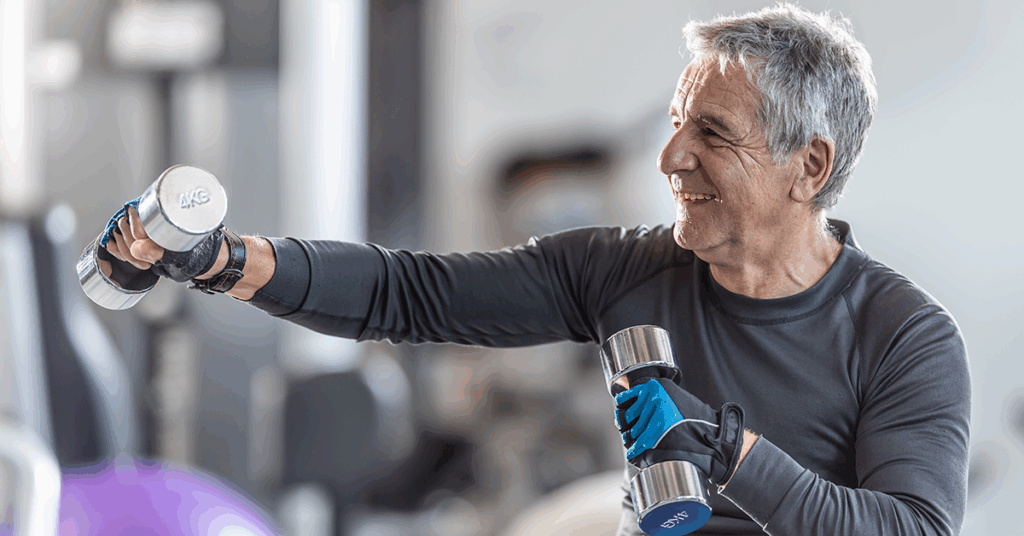
3. Try joint-friendly home exercises
For a balanced home exercise routine, you can incorporate these three types:
- Range-of-motion exercises reduce stiffness by moving joints through their full motion capacity. Also, stretching exercises to maintain flexibility.
- Strengthening exercises build supportive muscles around joints. Include weight training with light resistance at least two days a week, focusing on all major muscle groups.
- Endurance exercises improve overall fitness and energy levels.150 minutes of moderate activity weekly can be broken into manageable 10-minute sessions if that’s easier on your joints.
Always start slowly and gradually increase intensity. Stop if you experience sharp pain or pain that lasts more than two hours after exercise.
4. Use assistive tools for daily tasks
Small changes to everyday items significantly affect joint comfort and function. Assistive devices help protect joints from stress and make activities easier to complete. For personal care, consider:
- Long-handled sponges and brushes to reduce reaching
- Electric toothbrushes and razors with thicker handles
- Grab bars in the bathroom
- Button hooks and zipper pulls for easier dressing
These tools preserve energy, reduce joint stress and help maintain independence. Many assistive devices are available at medical supply stores, drugstores or online retailers.
5. Track symptoms with a simple chart
A symptom-tracking chart or pain diary provides concrete data about your arthritis patterns. An effective tracking chart should include:
- Pain levels (typically on a scale of 1-10)
- Location and type of pain
- Duration of morning stiffness
- Activities performed that day
- Medications taken and their effectiveness
- Sleep quality and fatigue levels
6. Adjust your home for comfort
First, eliminate tripping hazards by removing loose rugs and cables. Ensure adequate lighting throughout your home, especially on stairs and in hallways. Install grab bars in bathrooms and consider raising toilet seats if standing up is difficult.
Consider replacing round doorknobs with lever-style handles that are easier to grasp and turn. Similarly, lever-style faucet handles require less grip strength than traditional knobs.
7. Practice mindful breathing for pain
Focused breathing exercises activate your body’s natural relaxation response and reduce pain perception. Try this simple technique:
- Sit in a comfortable position with a straight back
- Slowly breathing in for a count of six
- Exhale through your mouth for another count of six
- Repeat for 5-10 minutes, ideally twice daily
8. Stay hydrated and eat anti-inflammatory foods
Nutrition plays a critical role in controlling inflammation. Eating a Mediterranean-style diet has been linked to lower blood pressure and reduced risk of chronic conditions, as shown in research by institutions like the Mayo Clinic and Harvard Medical School. Focus on incorporating:
- Omega-3-rich fish (salmon, tuna, sardines)
- Colorful fruits and vegetables (especially berries and dark leafy greens)
- Nuts and beans (walnuts, almonds, red kidney beans)
- Healthy oils (extra virgin olive oil)
Remember that drinking enough water is essential for joint health because it helps lubricate joints and maintain cartilage health.
9. Set small, achievable goals
The SMART framework (Specific, Measurable, Achievable, Relevant, Time-bound) can transform your management of arthritis. Instead of vague intentions like “exercise more,” create concrete objectives such as “walk for 15 minutes three times weekly.”
This structured approach provides clear direction and motivation while preventing the frustration of unrealistic expectations.
10. Keep a weekly self-check journal
Consistent monitoring of your symptoms creates valuable insights about your condition’s patterns. Patients who track their symptoms are often better able to assess their disease activity between physician visits.
These daily living with arthritis strategies form a comprehensive approach to joint health that can help you maintain your quality of life while effectively managing arthritis symptoms.
Success comes from discovering the right combination of techniques for your specific situation. Ready to learn more about maintaining an independent lifestyle while managing arthritis? Call (909) 626-1227 to schedule a tour at Claremont Manor. Their experienced team can provide additional insights for an environment that supports joint health and overall well-being.
FAQs
Q1. What are some effective home remedies for arthritis pain relief? Heat and cold therapy are effective for arthritis pain relief. Apply heat for morning stiffness and to relax muscles while using cold therapy for swollen joints and acute pain after activity. Additionally, regular joint-friendly exercises and maintaining a healthy diet can help manage arthritis symptoms.
Q2. What dietary changes can help with arthritis management? Anti-inflammatory foods can help manage arthritis. Focus on consuming omega-3-rich fish, colorful fruits and vegetables, nuts, beans and healthy oils like extra virgin olive oil. Staying well-hydrated is also crucial for joint health as it helps lubricate joints and maintain cartilage health.
Read Our Front Porch Blogs

Extending the legacy: the impact of scholarships

LPGA Hall of Famer Amy Alcott Named First-Ever Front Porch Ambassador