
October 14, 2025
Independent Living and Pets as Companions
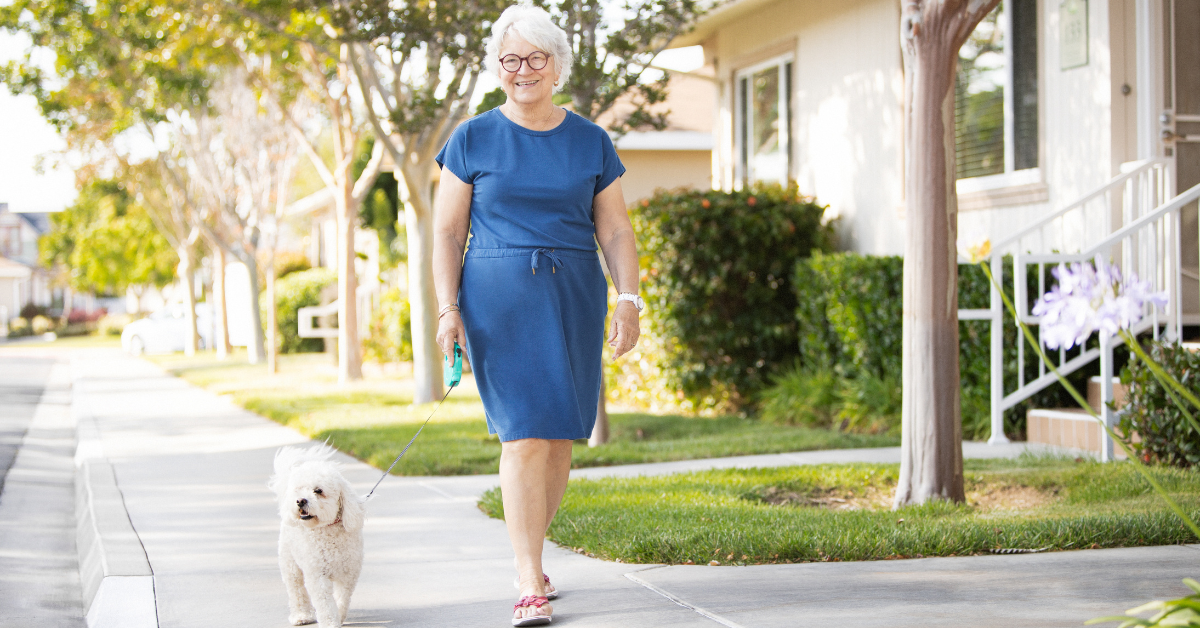
Finding a community for older adults or a senior citizen center in San Diego County that welcomes your beloved pet can reshape your retirement lifestyle. An older adult’s relationship with their pet is fundamental to boosting their overall well-being and emotional fulfillment during this next chapter.
Pet-friendly communities have meaningful benefits, as animals provide an extra source of support for older adults. From reducing isolation to offering structure and purpose, animal companions play an essential role in maintaining quality of life.
Many older adults consider their pets family members, making pet-friendly accommodations a deciding factor when choosing where to live. Fredericka Manor is a truly pet-friendly independent living community, offering many welcoming spots for you and your furry family. With acres of walking paths, a walkable neighborhood and a fenced dog park, you and your pet are sure to flourish together in this supportive environment.
How Do Communities Integrate Pets into Daily Life?
Modern communities for older adults create thoughtful ways to integrate pets into daily operations, recognizing that animal companions contribute meaningfully to residents’ quality of life. These pet-friendly approaches reshape how older adults experience community living.
Pet-friendly housing and amenities
Senior living communities offer spacious floor plans that allow pets to move freely without feeling confined. Many independent living communities feature patios, balconies or small gardens that give pets outdoor access—essential for their physical and mental well-being. These design elements make living in a community with pets comfortable and homelike.
Standard Pet Amenities Include:
- Designated dog parks with secure fencing
- Pet-friendly walking paths for daily exercise
- Grooming stations and concierge pet services
Scheduled pet therapy programs
Pet therapy programs represent the most common structured animal activity in communities. These programs involve certified animals visiting on scheduled days to provide companionship and emotional support. Communities that offer pet therapy maintain clear standards ensuring animals are clean, vaccinated, well-trained and screened for appropriate behavior.
At Fredericka, residents and their pets are woven into community life. From dogs socializing at the koi pond to cats sunning in cottage windows, pets are a joyful part of daily routines across the walkable 24-acre campus. Even social hour events often include pet guests!
What Should Families Know About Pet-Friendly Independent Living?

The search for pet-friendly senior living requires understanding essential policies and asking thoughtful questions. Both you and your companion animal deserve to feel welcomed and comfortable in your new community.
Pet policies in communities for older adults
Even when most communities for older adults welcome pets, policies differ significantly. Some have specific guidelines, including weight limits (often 25 pounds), breed restrictions and limits on the number of pets (typically one per resident). Proof of vaccinations, spaying/neutering and behavioral assessments is commonly required. Pet-friendly communities often charge a one-time pet fee or monthly pet rent to cover potential damages.
Essential questions for choosing a pet-friendly community
Before visiting communities, prepare these important questions:
- What are the pet-related fees and deposits?
- Are there breed, size or species restrictions?
- Who will provide care if I become temporarily unable to do so?
- Is there a well-lit area where dogs can be walked?
- Are veterinary or grooming services available nearby or on-site?
- How do staff interact with residents’ pets?
Managing independence with pet care
Pet care can present challenges as you age. Some communities offer services like dog walking or litter box cleaning, often at additional cost. Consider financial aspects—veterinary fees can strain limited incomes.
How Pets Support Long-Term Wellness for Older Adults
Animal companions can be powerful allies for healthy aging, offering benefits that build over the years. These long-term impacts on wellness extend far beyond daily companionship. This connection aligns with Fredericka’s whole-person wellness philosophy. Programs like the Brain and Balance initiative and cardio drumming classes show how the community integrates movement, joy and emotional wellness, mirroring the physical and emotional benefits pets provide.
Cognitive stimulation and memory support
Pets can help preserve brain health over time. Among adults living alone, pet ownership slows cognitive decline, specifically in verbal memory, cognition and fluency. Remarkably, older adults who owned pets for over five years demonstrated even greater cognitive protection.
Social interaction through pet-related activities
Pets create natural opportunities for human connection. Dog walking creates conversations with neighbors and fellow pet enthusiasts. Pet owners are generally more likely to know people in their neighborhoods. This increased socialization provides tangible social support that contributes to long-term health.
Emotional resilience and reduced depression
The emotional benefits of pet companionship build over the years. Pet therapy participants report lower levels of anxiety, fear and depression. Even for older adults with Alzheimer’s, having a pet significantly improved daily activity function and slowed disease progression.
These cumulative benefits make pets valuable companions throughout the aging process, providing support for mental, emotional and social well-being that strengthens over time.
Stronger Sense of Purpose in Senior Communities
Perhaps most significantly, pets provide older adults with daily structure and meaning. Caring for a pet establishes consistent routines around feeding, walking and playtime.
Pet-friendly senior living communities offer transformative benefits that extend far beyond simple companionship, creating pathways to improved physical health, emotional well-being and social connection.
Your retirement lifestyle deserves the companions who bring you happiness. The relationship between older adults and their pets creates a foundation for well-being, emotional fulfillment and enriched living—making pet-friendly communities not just a preference but a priority for many.
Finding the right pet-friendly community requires thoughtful consideration of policies, amenities and support services. Communities like Fredericka Manor understand that pets aren’t just animals—they’re family members who play essential roles in quality of life. When exploring your options, call Fredericka Manor at (619) 205-4115 and schedule a visit to see the welcoming green spaces, community gardens and joyful energy that make this pet-friendly lifestyle so fulfilling.
FAQs
Q1. What are the main benefits of pets for seniors in retirement communities?
Pets provide numerous benefits for seniors, including reduced stress and anxiety, increased physical activity and a stronger sense of purpose. They can lower cortisol levels, boost feel-good hormones, encourage regular exercise and provide daily structure through care routines.
Q2. How do senior living centers accommodate pets?
Many senior living centers offer pet-friendly housing with spacious floor plans, outdoor access and specialized amenities like dog parks and grooming stations. Some communities also organize pet therapy programs and community events involving pets, such as adoption events and pet parades.
Q3. What should I consider when choosing a pet-friendly senior living community?
When selecting a pet-friendly community, inquire about pet-related fees, breed or size restrictions, available care services, walking areas and nearby veterinary care. It’s also important to understand the community’s pet policies and how staff interact with residents’ pets.
Read Our Front Porch Blogs

Older Americans Month 2026: Championing Your Health at Front Porch

Investing in community: the story of David and Jane Kretzmann