July 3, 2025
Learning from Seniors: The Gift of Shared Roots
Family stories create the foundation of our identity, connecting us to our past while shaping who we become. These aren’t just entertaining tales—they’re essential tools that help us understand our place in the world and build strength for life’s challenges.
Knowing your family history creates a deep sense of belonging and self-awareness. Families who share more stories have adolescents and young adults with higher self-esteem, a greater sense of mastery in the world, lower anxiety and a stronger sense of meaning and purpose. These benefits emerge because family narratives help us make sense of both our triumphs and struggles.
Practical Ways to Connect with Older Adults
Visit and listen actively
Your time and attention matter more than elaborate gestures. Regular visits create reliability and anticipation for older adults who may face isolation. Practice active listening—truly hearing both words and emotions. When communicating with older adults:
- Speak clearly and maintain eye contact
- Reduce background noise from television or radio
- Ask open-ended questions that invite stories
Body language communicates respect. Sit at the same level, nod encouragingly and show genuine interest through your expressions.
Start a family photo project
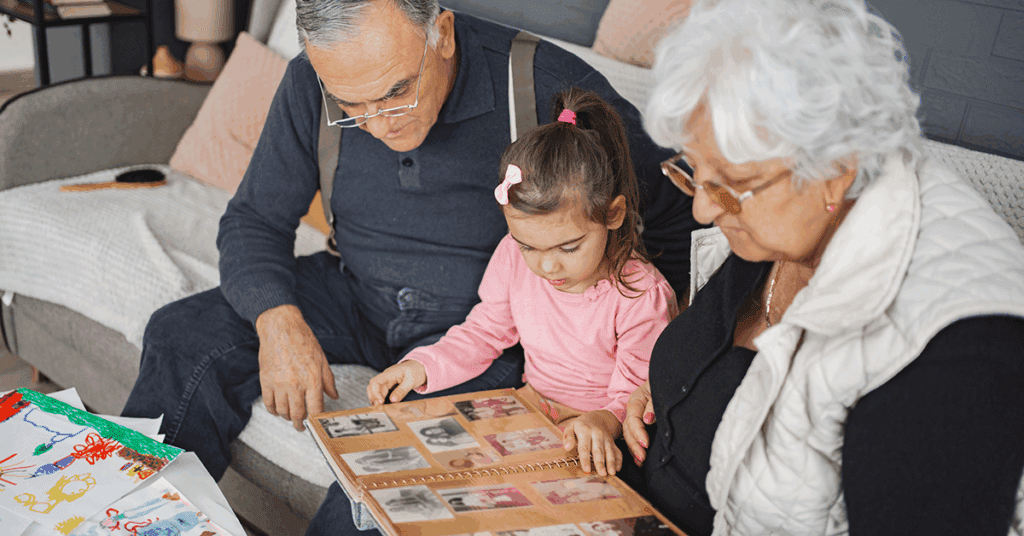
Photos trigger powerful memories and spark conversations about the past. Begin a collaborative project that documents family history through images. Options include:
- Creating a traditional scrapbook together
- Digitizing old photographs
- Taking new portraits that capture personality
The process matters as much as the finished product. Family photo projects give older adults natural opportunities to share stories about people and places in pictures. These visual prompts often unlock memories that might otherwise remain untold.
Cook or craft together
Preparing family recipes or engaging in creative activities connects generations naturally. Many older adults find purpose in passing down culinary traditions. Crafting activities like knitting, woodworking or painting provide enjoyable ways to spend time together.
Use digital storytelling tools
Technology makes capturing family histories accessible. User-friendly apps and platforms help record and preserve personal narratives. Tools like StoryCorps, StoryWorth and Treelines simplify documenting memories through guided questions and easy interfaces. Digital storytelling creates lasting records of voices, expressions and personalities—treasures future generations will cherish.
What We Learn When We Listen
The wisdom shared by older adults offers guidance that can shape how we approach life’s most meaningful moments. When we truly listen, we access perspectives forged through decades of lived experience—insights that might take us years to discover on our own.
Life lessons from resilience
Older adults have weathered personal hardships, economic challenges and societal changes that tested their limits. People who have overcome these challenges often end up happier than younger individuals, despite facing more losses and difficulties. Many describe how adversity taught them resilience—the ability to adapt and thrive despite setbacks

History through personal narratives
Personal stories from older adults bring history to life in ways textbooks cannot. Their firsthand accounts of historical events provide context and emotion that help younger generations understand the human dimension of the past. For residents, sharing these experiences creates bridges between generations. Through their stories, we gain insight into how ordinary people faced extraordinary times—surviving economic depression, witnessing technological changes or experiencing social movements firsthand. These personal perspectives help us recognize patterns in history and understand how past events continue to shape our present world.
Keeping Wisdom Alive: Practical Steps Forward
Create successful exchanges:
- Prepare age-appropriate questions about family traditions, personal experiences or historical moments
- Set up comfortable environments where both generations feel at ease
- Use prompts that invite full stories rather than simple yes/no responses
Family stories anchor our identity and build resilience across generations. Connecting with older adults becomes more than a thoughtful gesture—it creates lasting value for everyone involved. The wisdom older adults offer helps us understand both where we came from and where we’re headed. Their stories about weathering challenges, building relationships and finding meaning provide guidance that remains relevant regardless of changing times.
Begin with a simple question about a family memory or historical event. Each conversation becomes part of your family’s ongoing story—one that will continue to guide and inspire long after it’s first shared. Default to curiosity. Ask genuine questions and listen with respect. The stories you hear today become the wisdom you’ll carry forward tomorrow. Contact us at (619) 205-4115 to learn more about Fredericka Manor, our independent living in San Diego County.
FAQs
Q1. Why is it important to learn from seniors and share family stories? Learning from seniors and sharing family stories helps build a strong sense of identity, increases self-esteem and provides valuable life lessons. These narratives connect us to our roots, transmit cultural values and offer guidance for navigating life’s challenges.
Q2. What are some simple ways to connect with seniors? Some simple ways to connect with seniors include regular visits with active listening, creating family photo projects together, engaging in cooking or crafting activities and exploring digital storytelling tools. These activities provide opportunities for meaningful interactions and memory sharing.
Read Our Front Porch Blogs
Older Americans Month 2026: Championing Your Health at Front Porch
Investing in community: the story of David and Jane Kretzmann