March 27, 2026
How Sensory Rooms in Memory Care Help Seniors with Dementia

Residents living with dementia often feel overwhelmed when their environment becomes too stimulating or confusing. Memory Care at Fredericka Manor in Chula Vista has implemented sensory rooms to promote calmness through thoughtfully designed spaces that engage the senses.
Sensory spaces provide families with a gentle, medication-free way to comfort their loved ones when words are no longer enough. These specially designed environments support the parts of the brain that stay healthier longer, fostering moments of peace and connection.
You will learn how these spaces enhance overall well-being, increase awareness, reduce agitation, and improve quality of life. Here’s how San Diego communities blend medical expertise with the area’s natural beauty to create peaceful, respectful spaces where your loved one can feel at home.
How a Resident’s Brain Responds to Thoughtful Sensory Rooms Designed in Memory Care
When traditional communication becomes challenging for those with dementia, the brain’s sensory pathways often remain surprisingly open. While Alzheimer’s usually starts by damaging the lateral entorhinal cortex, the areas responsible for processing emotions, music, and touch are often preserved much longer. By shifting the focus from verbal instruction to sensory experiences like familiar scents, textures, and melodies, caregivers can bypass damaged memory centers and connect directly with the “feeling of home” that remains in the brain’s resilient right hemisphere.
Where dementia affects the brain first
Alzheimer’s Disease begins in a small yet essential region called the lateral entorhinal cortex, which serves as the primary pathway to the hippocampus (Columbia University Irving Medical Center, 2013). When this pathway is damaged, your loved one may struggle to form new memories, although older ones often remain intact.
Damage spreads from the entorhinal cortex to regions that assist with spatial navigation. Emotions remain protected longer than memory, meaning your loved one continues to feel love, comfort, and connection to familiar people and places even when facts become unclear. They respond more to the feeling of being at home rather than recalling specific details about it.
Why touch, sight, and sound stay strong
While language abilities change, the brain’s sensory processing areas remain remarkably protected. The left side, responsible for words and language, experiences changes earlier. The right side often continues functioning well into later stages. This preserved area allows your loved one to enjoy music, respond to rhythm, and participate in social activities moments.
Long-standing skills reside in deeper brain areas that resist change. Activities learned long ago, like humming familiar songs or responding to gentle touch, persist because they use different brain pathways than recent memory or language. The regions that process what we see, hear, and feel continue their work even as other areas face challenges.
How sensory experiences reach residents when words cannot
Sensory Rooms work because they travel through brain pathways that remain intact. When verbal reassurance feels overwhelming, the gentle scent of lavender or the soft texture of a therapy wall can provide comfort through alternative channels that still work well. Music and familiar sounds continue to register in the right side of the brain, which explains why a favorite song can bring calm when spoken words feel confusing. Your loved one experiences their world primarily through their senses, making thoughtfully designed sensory spaces essential sources of comfort and connection.
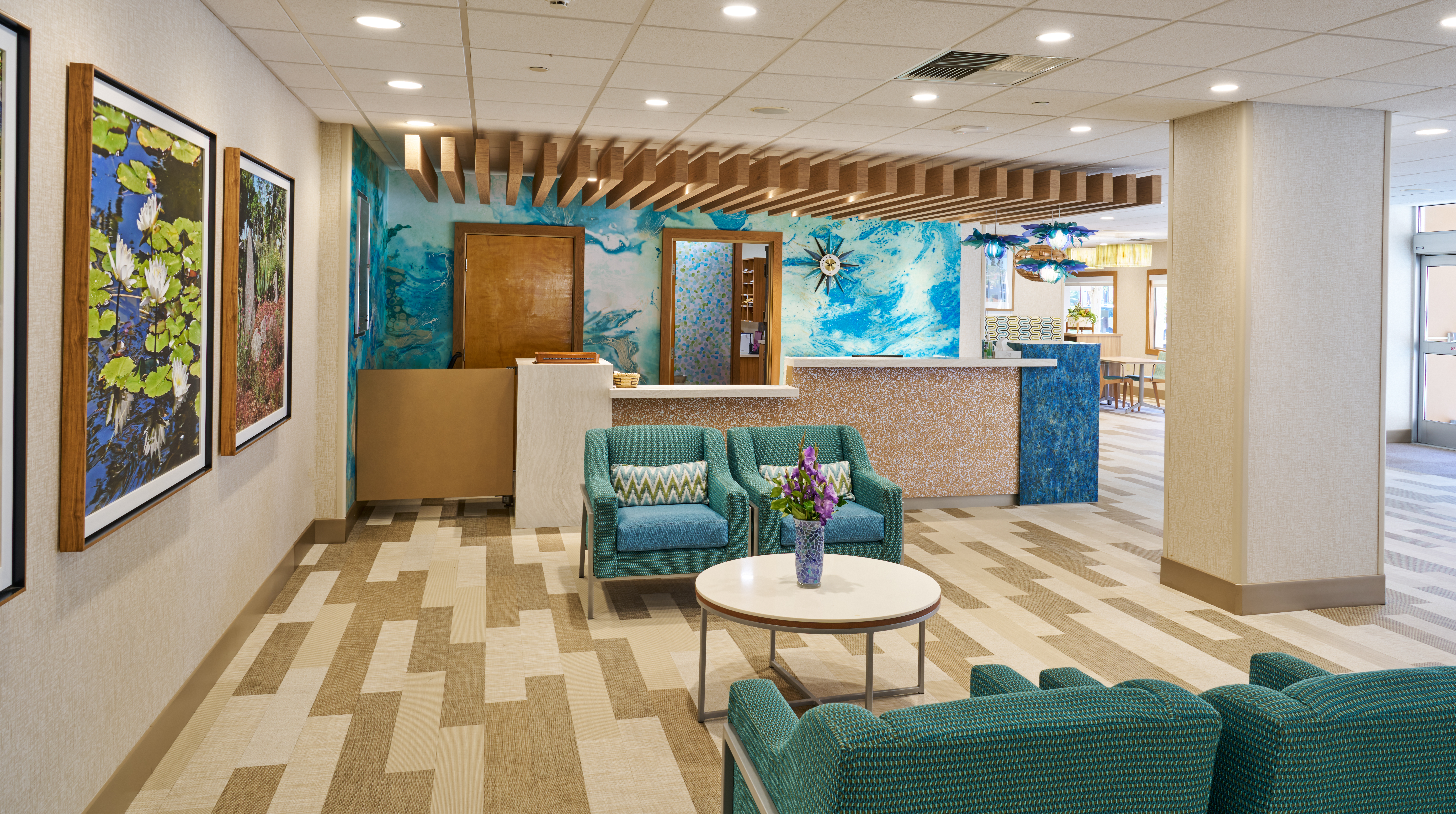
San Diego’s Coastal Advantage: Where Ocean Breezes Meet Memory Care Innovation
San Diego’s year-round sunshine offers memory care communities something special—natural therapeutic benefits that complement carefully designed indoor spaces. When residents are exposed to bright light for at least two hours each morning, their sleep patterns improve dramatically.
Morning light that helps residents sleep better at night
Light therapy systems follow the sun’s natural rhythm – bright blue-enriched light welcomes the morning, soft white light fills afternoons, and gentle red-toned light eases evenings. This natural pattern increases overall nighttime sleep. As your loved one ages, they need more light — a 60-year-old requires three times more than someone in their twenties, while an 80-year-old needs six times as much.
Gardens where residents connect with nature through touch and scent
Therapy gardens combine movement, thinking, and sensory experiences. Raised planting beds welcome residents in wheelchairs to touch and smell herbs. Lavender, rosemary, and mint flourish year-round here, inviting residents to brush leaves between their fingers and inhale familiar scents. Curved walkways feel natural and decrease confusion.
Ocean sounds and sea air that calm naturally
The Pacific Coast offers gentle, constant sensory experiences—waves crashing on the shore, seabirds calling, and salt air that smells fresh and clean. These coastal elements provide calming sensory input, helping residents feel at ease. Ocean air contains negative ions that naturally boost mood and well-being by increasing serotonin levels. The steady rhythm of the waves helps your loved one feel settled.
What Families Notice: The Positive Changes That Matter Most
- Peaceful afternoons replace challenging moments
- Staff members connect with your loved one in meaningful ways
- Preserved self-esteem when words become difficult
Spaces That Speak Directly To Your Loved One’s Brain
Sensory spaces are evidence-based medical tools rather than optional amenities. When verbal communication fails, these specialized spaces help preserve your loved one’s self-esteem through non-verbal pathways that remain effective. San Diego communities uniquely blend coastal elements with clinical innovation to create environments where your loved one can feel calm without medication.
Contact Fredericka Manor at (619) 205-4115 and schedule a tour to see firsthand how multisensory environments can transform daily life for residents living with dementia.
FAQs
Q1. What parts of the brain does dementia affect first, and why do sensory spaces help?
Dementia often starts in areas associated with memory, such as the entorhinal cortex and hippocampus. Simultaneously, language and recent memory decline early, but sensory pathways for sight, sound, and touch stay functional longer. Sensory spaces operate by engaging these preserved pathways, creating calm and connection without relying on words.
Q2. How does natural light help people with dementia?
Morning exposure to bright light helps regulate circadian rhythms, improving sleep and reducing evening agitation. Lighting systems that mimic natural daylight patterns can increase nighttime sleep and decrease confusion and behavioral issues challenges.
Q3. Why is aromatherapy effective for dementia patients?
Smell connects directly to brain areas linked to emotion and memory. Scents like lavender can decrease agitation and promote sleep, while familiar aromas may evoke positive memories—helping improve mood without medication.
Read Our Front Porch Blogs

Investing in community: the story of David and Jane Kretzmann

Front Porch Podcast – Episode 8: Belonging: The Heart of Community—with Arthur Liggins & Candace Young-Schult