
February 24, 2026
Why Assisted Living is a Family Love Language?
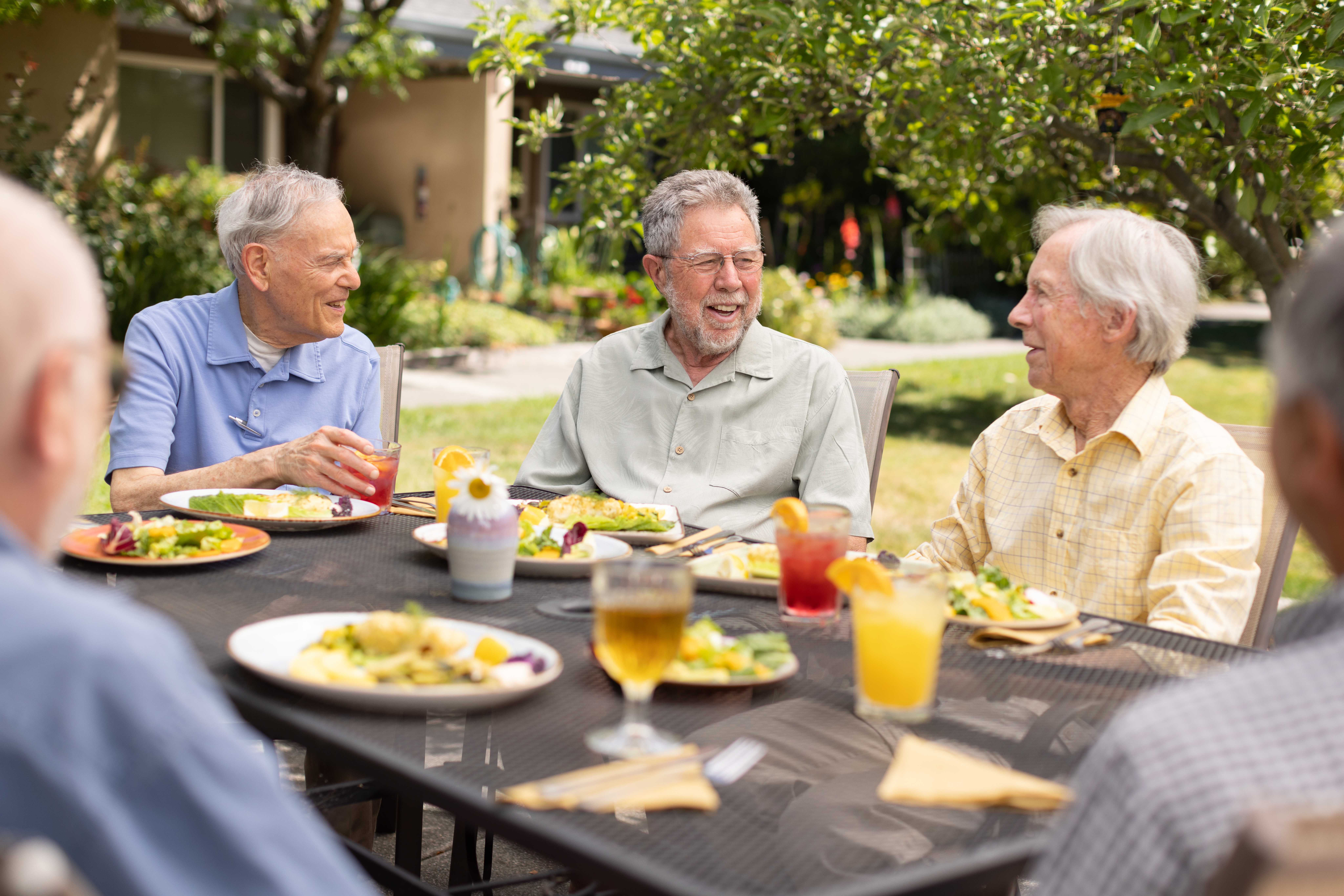
When a loved one needs more help with daily tasks, family members naturally step in to show love through countless acts of service. This dedication comes from the heart, but it can create caregiver stress and burnout over time. Assisted living in Santa Rosa, CA, offers a caring alternative that honors this love language while fostering stronger family relationships.
When families choose assisted living, they’re not stepping away from caregiving—they’re evolving into a more sustainable and emotionally fulfilling way of expressing love that honors both the senior’s needs and the family’s well-being.
Knowing your loved one’s love language becomes more important as they age. When physical changes make independence more complicated, understanding what makes them feel valued can make a real difference in their happiness. Many seniors feel most loved when someone they trust reliably helps with their daily needs.
What’s The Senior Love Language in Assisted Living?
Dr. Gary Chapman’s “Five Love Languages” provides a framework to understand how people express and receive love (American Psychological Association, 2018). The acts of service language fits perfectly with senior care. People who connect with this love language feel deeply cared for when others help with tasks and daily responsibilities. For seniors, these caring acts include help with daily tasks, medication management, or household tasks.
How Does Assisted Living Help Families Spend More Meaningful Time Together?
The caring journey for an aging loved one starts with the best intentions. Families want to show love through service and support. Over time, however, the constant demands of caregiving can erode both the caregiver’s well-being and the quality of family relationships. Assisted living and personal services communities offer a solution that changes how families connect.
From task manager to emotional companion
Before the move to assisted living, family visits get consumed by household chores, managing finances, ensuring comfort, and running errands. This demanding cycle creates a fundamental loss of connection—the simple joy of being together gets buried under an endless list of tasks. When a senior transitions to assisted living, family members can step back into their original roles. Instead of worrying about a to-do list, families can enjoy walks, share meals, or simply spend time talking without pressure.
How on-site amenities create new memory-making opportunities
Assisted living communities provide a physical and emotional environment that fosters strong family relationships. In well-designed communities, the all-inclusive structure encompasses essentials such as weekly housekeeping, linen service, maintenance, and even cooking. Accessible transportation services mean family members are no longer solely responsible for shuttling their loved ones everywhere.
Examples from Friends House
Friends House in Santa Rosa, CA, exemplifies how a community can deepen family bonds through its unique Quaker-inspired values of simplicity, integrity, and community. Our expansive campus features winding paths, lush gardens, and quiet courtyards that provide a serene backdrop for meaningful family visits. The community thrives on a rich culture of shared experiences. From engaging musical performances and holiday festivities to quiet moments in the library, these Life Enrichment opportunities offer natural opportunities for families to connect. The dining experience further fosters this sense of togetherness, inviting family members to join residents for chef-prepared meals in a warm, communal atmosphere.

Support Long-Term Emotional Health For Everyone
Assisted living communities serve as a modern expression of family love—one that honors the deep desire to care for aging loved ones while preserving the joy of meaningful relationships. When families choose this path, they’re not stepping away from caregiving. They’re evolving into a more sustainable way of showing love that benefits everyone.
The fear that your loved one might feel abandoned deserves honest attention. Regular visits, phone calls, and participation in community events demonstrate your ongoing commitment to their well-being. Personal touches, such as family photos and favorite furnishings, help make their new home feel welcoming and familiar.
Assisted living becomes a family love language when it allows relationships to return to their true purpose—connection, companionship, and shared joy. The professional support extends your acts of service through qualified colleagues, freeing you to express love through presence rather than endless caregiving duties.
Contact Friends House at (707) 573-4508 to schedule a tour and discover how our personalized approach supports emotional well-being.
FAQs
Q1. How does assisted living positively impact family relationships?
Assisted living can significantly improve family relationships by relieving loved ones of the daily demands of caregiving. With professional support handling personal care and medication management, families can spend their time together enjoying meaningful conversations and shared experiences. This shift from caregiver to companion often strengthens emotional bonds and reduces stress for everyone involved.
Q2. Why are personalized care plans important in assisted living communities?
Tailored plans ensure that every resident receives support focused on their individual needs, preferences, and lifestyle. These plans take into account physical health, emotional well-being, daily routines, and personal interests, allowing residents to maintain a sense of independence and identity. By respecting what makes each person unique, personalized care fosters respect, comfort, and an overall improved quality of life.
Read Our Front Porch Blogs
LPGA Hall of Famer Amy Alcott Named First-Ever Front Porch Ambassador
Older Americans Month 2026: Championing Your Health at Front Porch