May 18, 2025
Stay Heart-Healthy in Independent Living: Tips & Connections
Social connections matter tremendously for your heart. Regular social engagement can help reduce heart disease risk while naturally lowering your blood pressure and stress levels. This heart-social connection shows why building meaningful relationships deserves the same attention as your diet and exercise habits.
Seniors who choose independent living communities with amenities in Los Angeles, CA gain wonderful opportunities to blend heart care with friendship. Your heart benefits whenever you join a group exercise class, walk with neighbors or plant flowers in the community garden. These simple social moments contribute directly to your cardiovascular health.
Understanding Heart Health in Independent Living
Your heart changes naturally as you age. Muscle thickens, vessels stiffen and your entire cardiovascular system must work harder to move blood throughout your body. These normal changes create serious concerns for adults over 65, making heart disease a primary cause of disability that can limit your daily activities and affect your joy in life.
Why heart health matters as we age
Heart health becomes more important yearly because our risk increases dramatically as we age. People over 65 face much higher chances of developing heart disease than younger adults.
These numbers reflect real physical changes happening in aging hearts:
- Heart walls grow thicker while chambers may hold less blood
- Blood vessels lose flexibility, causing higher blood pressure
- Your heart’s natural pacemaker loses cells, potentially affecting your heart rhythm
- Heart valves thicken and stiffen, changing blood flow patterns
The role of independent living
Los Angeles independent living communities offer practical solutions for heart health maintenance. These environments provide structured settings for regular activities that strengthen the heart. Just 30 minutes of moderate exercise three times weekly protects against heart disease.
Many Los Angeles communities include wellness centers, where regular health screenings help catch potential heart issues early. This proactive approach allows you to address minor problems before they become serious concerns.
Daily Habits That Support a Healthy Heart
Creating consistent daily routines builds the foundation for a strong heart, especially for seniors enjoying independent living. Small adjustments to how you start your day and what you eat can significantly benefit your cardiovascular system.
Start your day with light movement
Beginning each morning with gentle activity boosts your circulation and naturally energizes your body. Even a simple 10-minute home workout raises your heart rate and supports brain function. Morning movement is a gentle wake-up signal for your cardiovascular system, preparing it for the day ahead.
Choose heart-healthy meals and snacks
What you eat profoundly affects your heart health. Begin with a protein-rich breakfast, as protein delivers essential amino acids that support your body’s needs while helping you feel satisfied longer.
Heart-friendly breakfast ideas include:
- Oatmeal with berries and nuts for fiber and antioxidants
- Greek yogurt topped with fresh fruit for protein and gut health
- Whole grain toast with avocado for beneficial fats
Many independent living communities in Los Angeles provide nutritious dining choices with heart health in mind. Selecting whole, minimally processed foods over heavily processed options helps maintain healthy blood pressure and cholesterol levels, which becomes increasingly important as we age.
How Friendships Reduce Stress and Blood Pressure
The science behind social connections and heart health tells a powerful story. Friendships protect your heart through several pathways:
- They improve how your body responds to stress, reducing harmful effects
- They help keep blood pressure stable and decrease inflammation
- They encourage healthier choices like regular physical activity and better eating habits
Creating a Safe and Active Routine
Regular exercise requires careful planning, especially for seniors who enjoy independent living. Success comes from finding the right balance—active enough to benefit your heart without pushing beyond your limits.
Tips for staying consistent without overexertion
- Listen to your body’s signals: Your body tells you when exercise feels right. Watch for warning signs like dizziness, nausea, pain or unusual fatigue throughout the day. These signals mean you should reduce your activity level right away. Exercise partners add safety value—they often notice concerning signs you might miss yourself.
- Build gradually and track progress: Begin with gentler activities that match your current fitness level. Slowly increase how often, how hard and how long you exercise over several weeks or months. This patient approach builds confidence and creates sustainable habits. Many seniors find success by splitting the recommended 150 weekly minutes of moderate activity into shorter 10-15 minute sessions throughout their day.
- Overcome common barriers: Recognize what might prevent regular activity—bad weather, time limitations, mobility issues or motivation drops—and develop specific solutions for each challenge. Support from friends, family members or exercise groups dramatically improves motivation and helps maintain consistent routines.
Where Wellness and Connection Meet
Your heart thrives when you blend healthy lifestyle habits with meaningful friendships. Where you choose to live profoundly shapes this journey, especially when your environment supports both physical wellness and social connections.
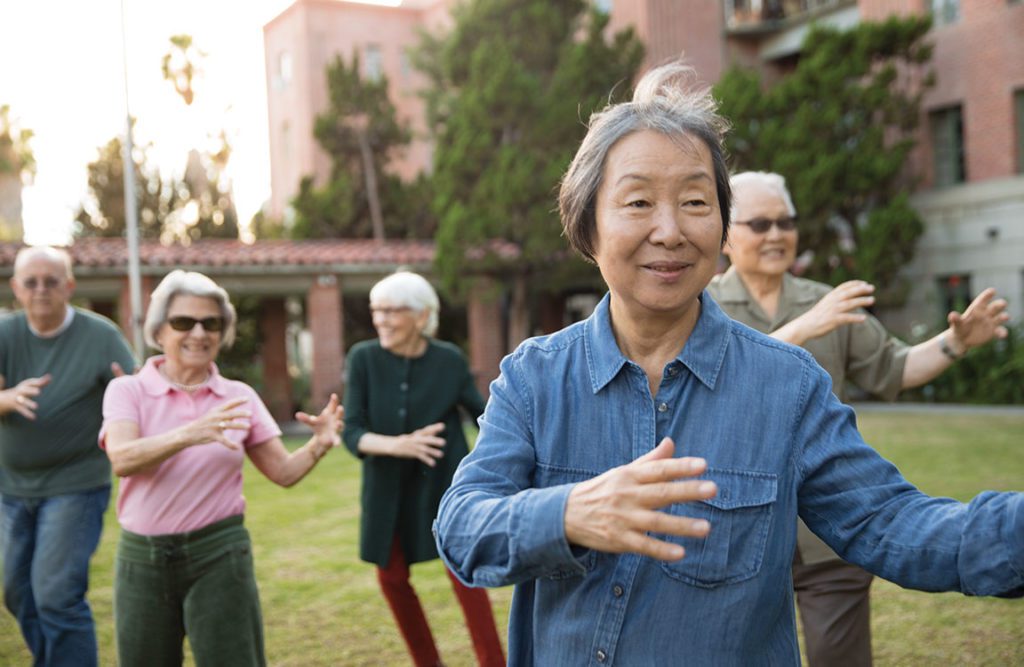
Communities focused on heart health provide structured activities, nutritious meal options and regular social gatherings that benefit the cardiovascular system. These advantages grow stronger when you join group activities, such as walking with neighbors in the morning or dancing with new friends in the evening.
Are you curious how an active aging community might support your heart health? Call (323) 661-1128 to schedule a tour of Kingsley Manor and experience these heart-friendly amenities yourself.
FAQs
Q1. How does social interaction affect heart health in seniors?
Social interaction plays a crucial role in maintaining heart health for seniors. Studies show that strong social connections can reduce the risk of heart disease, lower blood pressure and decrease stress levels. Group activities and maintaining friendships can be as important as traditional heart-healthy habits.
Q2. How can seniors start a safe exercise routine for heart health?
Seniors should start with low-intensity activities and gradually increase frequency, intensity and duration. It’s important to listen to your body, set specific, achievable goals and diversify activities to prevent boredom. Consulting with a healthcare professional before starting any new exercise regimen is advisable.
Q3. What dietary choices support heart health in older adults?
Heart-healthy dietary choices for seniors include protein-focused breakfasts, whole grains, fruits, vegetables and healthy fats like those found in avocados and nuts. Opting for nutritious snacks between meals and choosing whole, unprocessed foods over highly processed alternatives can help maintain healthy blood pressure and cholesterol levels.
Read Our Front Porch Blogs
Investing in community: the story of David and Jane Kretzmann

Front Porch Podcast – Episode 8: Belonging: The Heart of Community—with Arthur Liggins & Candace Young-Schult