June 12, 2026
Why Independent Living Is Shaping a More Walkable Future
There’s a quiet shift happening in how people think about home. Not just where it is, but how well it supports the life they actually want to live each day.
For many older adults, independent living in San Francisco, CA has become part of that conversation. Not because they want life to become smaller, but because they want it to feel easier, more connected, and more genuinely aligned with how they want to spend their time. In a walkable community, daily life begins to unfold differently. You spend less time coordinating logistics and more time participating in the world around you. Less time managing responsibilities and more time enjoying where you are.
That shift changes more than a routine. It changes how life feels from the inside.
How Walkability Shapes Everyday Life
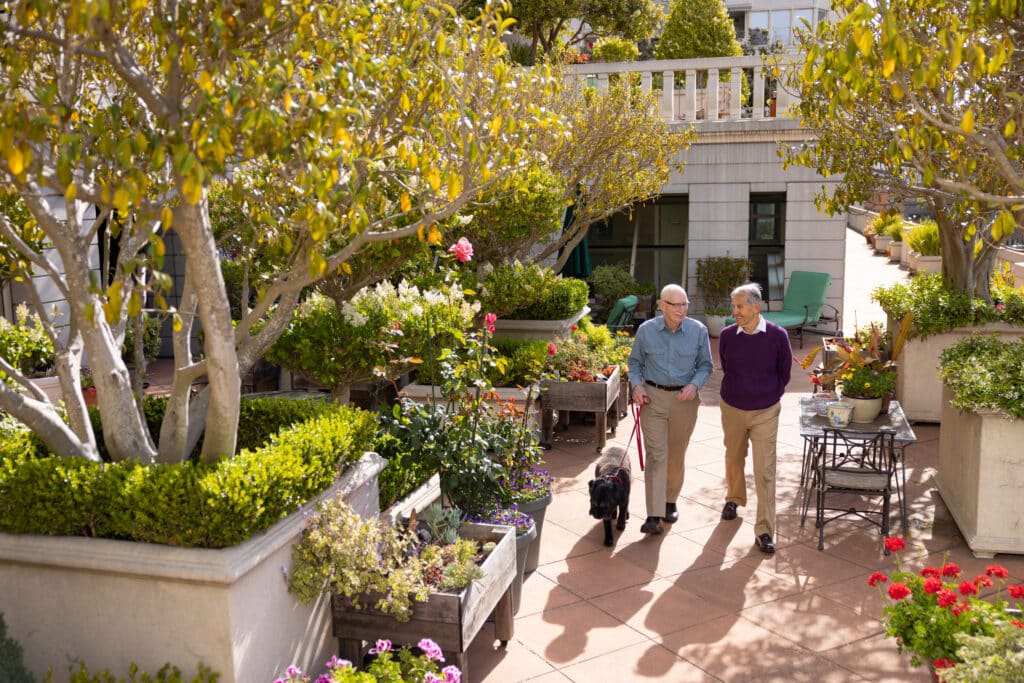
Walkability makes ordinary life feel more natural and more spontaneous. Instead of planning every outing around traffic, parking, or the logistics of a long drive, simple things become accessible again. You step outside for coffee and end up in an unexpected conversation with a neighbor. You walk to an evening performance or spend an afternoon exploring a favorite neighborhood without needing to organize the entire day around transportation first.
Research continues to support what many residents experience directly: regular movement, social interaction, and meaningful engagement with surrounding environments can support both physical and emotional well-being as people age. Walkable neighborhoods encourage all three simultaneously, and often without any particular effort or intention. That’s part of what makes urban independent living feel genuinely different from other settings. The city itself becomes part of daily life again rather than something you have to plan a trip to access.
Living Closer to What Keeps You Engaged
San Francisco has always been a city built around curiosity. Bookstores tucked into neighborhood corners. Conversations spilling out of cafes onto the sidewalk. Music, lectures, galleries, and performances happening across the city every week. Living close to those experiences changes how often you actually participate in them.
An evening event no longer requires careful advance planning to feel manageable. A museum visit becomes part of an ordinary afternoon rather than an occasion. Dinner with friends is easier to say yes to when everything is nearby and accessible rather than something to coordinate around.
Why Simpler Living Often Feels More Expansive
For many people, homeownership becomes quietly heavier over time in ways that are easy to miss until you step back from them. There is always something waiting: maintenance, repairs, contractor appointments, unexpected costs, and things that need attention before you can fully relax into the day. Even when those responsibilities feel manageable, they still occupy mental space. They run in the background of every morning and every weekend whether or not anything urgent is actually happening.
In a thoughtfully designed independent living community, much of that background noise disappears. Maintenance and day-to-day logistics are handled. Shared spaces are already cared for and available when you want them. You are no longer spending weekends coordinating repairs or carrying the low-level awareness of what might need attention next.
What that absence creates is something surprisingly valuable: room. Room to move through the day more deliberately. Room to spend time on things that actually matter to you. Room to focus on experiences rather than upkeep. And perhaps most surprisingly, that lighter way of living often feels far more expansive than maintaining a large home alone ever did.
Connection That Happens Naturally
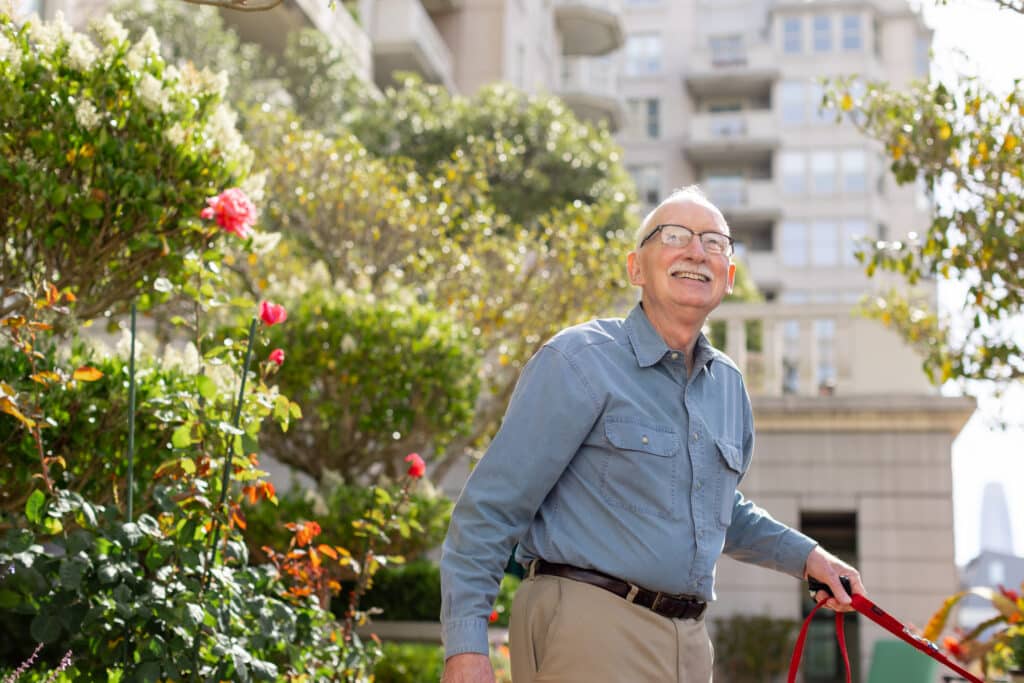
One of the quietest but most meaningful benefits of community living is the natural return of everyday connection. Not through forced schedules or overly structured programming, but through the simple familiarity that builds when people share the same spaces over time. The same faces at morning coffee. A neighbor encountered before an outing downtown. Conversations that accumulate slowly into genuine friendships.
In many traditional homes, particularly for people living alone, isolation can settle in gradually and without much fanfare. In a well-designed community, regular opportunities for interaction exist without pressure or obligation. You can enjoy privacy when you want it while still knowing that connection is always close by. That balance, understated as it sounds, turns out to matter enormously to how daily life feels over time.
A Different Way to Think About Freedom
Choosing independent living in San Francisco isn’t simply about moving into a new residence. For many people, it’s about removing the barriers that have quietly been making daily life feel heavier than it needs to be. When responsibilities shrink, possibilities tend to expand in their place.
Because freedom isn’t only about where you live. It’s about how fully you’re able to enjoy your life once you get there.
To learn more about life at San Francisco Towers, call (415) 776-0500.
FAQs
Q1. What is daily life like in independent living? Daily life is flexible and entirely self-directed. Most residents develop routines that reflect their own preferences, whether that means morning walks, social gatherings, personal creative pursuits, cultural outings, or simply quiet time spent however they choose.
Q2. How does walkability support well-being? Walkable surroundings encourage regular movement, easier social interaction, and more consistent engagement with the community around you. These everyday experiences support both physical and emotional well-being over time in ways that feel natural rather than effortful.
Q3. Why do people choose San Francisco for independent living? San Francisco offers a distinctive combination of walkability, cultural richness, accessible public transportation, and proximity to restaurants, parks, performances, and lifelong learning opportunities, all of which make it significantly easier to stay connected, curious, and engaged with city life throughout retirement.
Read Our Front Porch Blogs
Extending the legacy: the impact of scholarships
LPGA Hall of Famer Amy Alcott Named First-Ever Front Porch Ambassador