
June 10, 2026
Senior Living That Protects Nature Feels Different to Live In
The best senior living in Santa Rosa, CA, understands something that’s easy to overlook in a brochure: nature isn’t just scenery. It shapes how people move through the day, how connected they feel, and how well they age over time.
That’s part of what makes campus-style communities like Spring Lake Village feel so different from more conventional senior living environments. In Santa Rosa especially, the relationship to the outdoors isn’t incidental. It’s foundational. Residents live surrounded by vineyard landscapes, regional parks, oak-covered hills, and walking paths that make movement and connection feel like a natural part of daily life rather than something that requires planning or motivation.
In Santa Rosa, Nature Is Part of Daily Life
People move to Sonoma County for a reason. There’s a particular pace here that feels different from larger cities. Mornings arrive more slowly. Neighbors stop to talk during walks. Outdoor living stretches across much of the year because the climate genuinely invites it rather than merely permitting it.
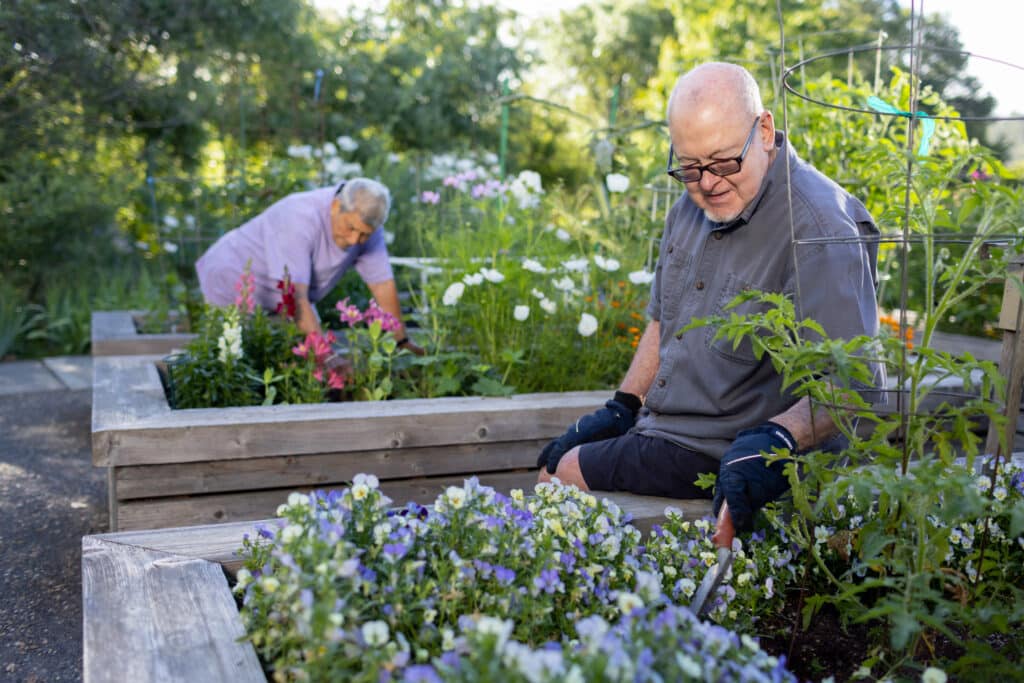
That quality is especially present near Spring Lake Village, where residents are surrounded by mature landscaping, creek trails, nearby parks, and open space that make movement a natural part of the day. Small outdoor rituals tend to form without anyone consciously deciding to create them. A walk before breakfast. Reading on a shaded bench after lunch. Pausing to watch wild turkeys wander near the creek trail. Tending herbs in a raised garden bed before dinner.
These moments may appear simple, but they provide something that structured programming rarely replicates as effectively: a sense of rhythm, calm, and connection to the seasons that shapes emotional well-being in quiet but lasting ways.
Campus-Style Living Changes How People Interact
One of the defining qualities of campus-style senior living is that daily life unfolds across connected outdoor spaces rather than inside a single building. That distinction changes the texture of daily experience more than most people anticipate before they’ve lived it.
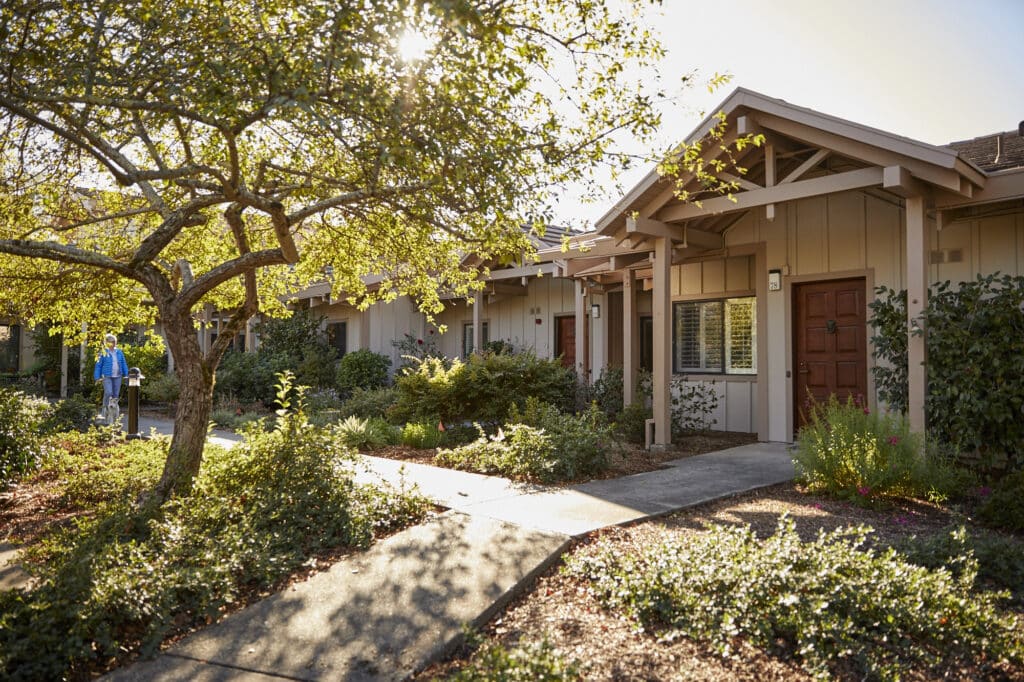
Instead of long institutional hallways and isolated floors, residents move naturally between gardens, walking paths, dining spaces, activity rooms, patios, and outdoor gathering areas throughout the day. At Spring Lake Village, pathways wind through landscaped grounds that feel residential and organic rather than clinical or managed.
What many families come to understand is that genuine connection in senior living rarely originates from organized programming alone. It grows through repeated small interactions: waving to a familiar face on a morning walk, sharing produce from the garden, sitting beside the same neighbors during an outdoor concert. Campus-style communities create more opportunities for those moments to happen organically, and with enough repetition, those moments become the substance of daily life.
The Best Environmental Design Supports Wellness Quietly
The strongest senior living design is often nearly invisible in the best possible way. You notice how comfortable and at ease you feel before you fully understand why.
Natural light reaches deep into shared spaces. Walking paths feel accessible without feeling overly structured or regimented. Outdoor seating areas invite conversation rather than sitting empty. Windows frame trees, gardens, and seasonal color rather than traffic or concrete.
Research around biophilic design continues to demonstrate that regular exposure to nature supports lower stress levels, improved mood, healthier sleep patterns, and greater cognitive engagement. But residents themselves rarely describe it in clinical terms. They simply say things like: “I spend more time outside here” or “I feel calmer than I expected to.” In communities designed around environmental integration, wellness becomes part of the atmosphere rather than another service listed in a care plan.
Sustainability Feels More Meaningful When You Experience It Daily
For many older adults, environmental stewardship isn’t an abstract value. It’s personal. Residents at communities like Spring Lake Village have often spent decades gardening, hiking, conserving water through California’s recurring droughts, or working to instill an appreciation for the natural world in younger generations. Thoughtful, sustainable design resonates because it reflects values they already hold and have held for most of their lives.
Living in an environment that shares those values adds a dimension of meaning to daily life that is difficult to quantify but easy to feel.
Why Outdoor Access Becomes More Important With Age
Many people underestimate how significantly physical and emotional health is shaped by ordinary, consistent exposure to the outdoors. A short walk can shift someone’s mood entirely. Natural light helps regulate sleep cycles. Fresh air encourages movement, social interaction, and mental clarity. Even passive experiences, such as watching birds outside a window or hearing water during lunch, can meaningfully reduce stress levels over time.
The best senior living communities recognize this and design environments where outdoor access remains easy, comfortable, and genuinely integrated into daily life regardless of a resident’s mobility level. At Spring Lake Village, residents don’t need to plan a nature outing to experience these benefits. Nature remains present throughout the campus itself, and that accessibility changes the texture of everyday living in ways that compound quietly over months and years.
A Community That Feels Connected to Its Environment
When people tour senior living communities, they typically begin by evaluating apartments, amenities, and healthcare offerings. All of those things matter, and they deserve careful consideration.
But what residents most often remember afterward is something harder to quantify: how the place felt. Whether it felt calm. Whether people seemed to spend time outdoors naturally. Whether the environment encouraged movement and conversation. Whether it felt genuinely connected to the surrounding landscape and community, or somehow separated from both.
At Spring Lake Village, campus-style living creates an environment where nature, wellness, and community life continuously intersect. Residents experience the outdoors not as decoration or as a programmed amenity, but as an organic part of everyday living.
And over time, that connection shapes more than the scenery around them. It shapes how life feels.
FAQs
Q1. How does campus-style senior living differ from traditional single-building communities? Campus-style communities are multi-acre developments where different levels of care and daily life are integrated across connected outdoor spaces rather than separated within a single building. This design encourages natural movement, spontaneous social interaction, and a more residential feel throughout the day.
Q2. What natural amenities are near Spring Lake Village in Santa Rosa? Spring Lake Village sits on a 26-acre campus adjacent to Santa Rosa Creek, with Trione-Annadel State Park just 0.4 miles away and Spring Lake Park 0.9 miles from the property, offering residents easy access to hiking, open space, and natural surroundings year-round.
Q3. How does biophilic design improve wellness in senior communities? Biophilic design incorporates natural elements including skylights, expansive windows, gardens, and water features that bring nature into daily experience. These elements support better sleep cycles, improved mood regulation, reduced stress, and greater cognitive engagement over time.
Read Our Front Porch Blogs
Front Porch in the Media: media highlights and news roundup from June-July 2026
Extending the legacy: the impact of scholarships