
February 7, 2026
Navigating Senior Transitions with Care
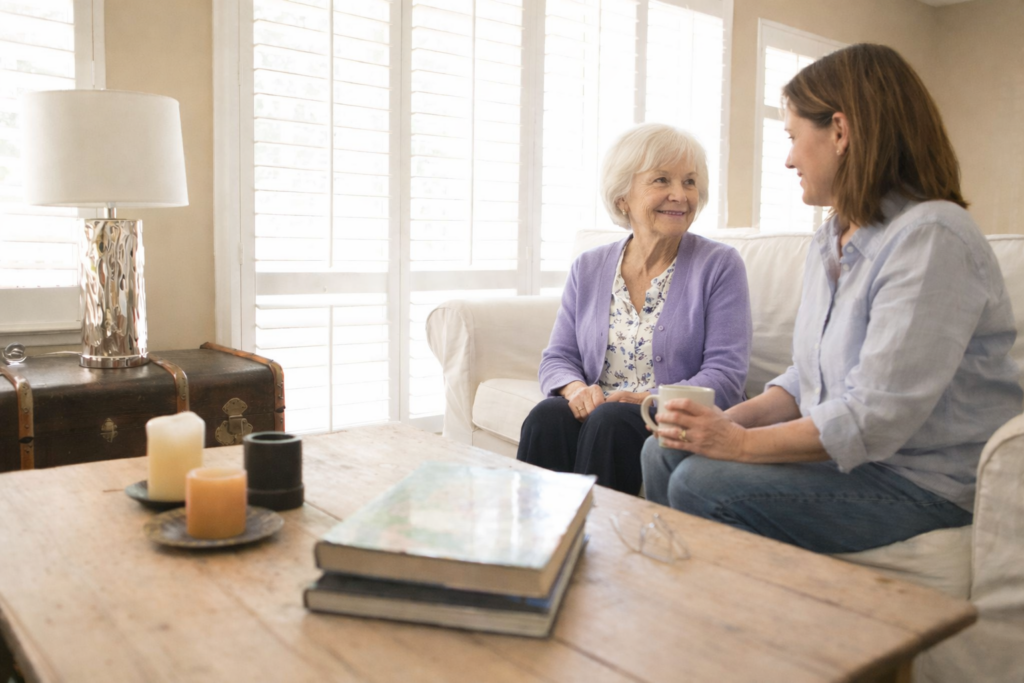
Senior living options deserve thoughtful discussion, not hurried decisions made under stress. Families who start these conversations early about a retirement community in Cupertino, CA often find they have better choices and less pressure when the time comes to make a decision.
Successfully transitioning to a retirement community requires planning, open communication and patience as families navigate this significant life change together.
Moving to a retirement community isn’t about losing independence, as many older adults fear. Instead, residents gain community support and freedom from homeowner-based responsibilities, while maintaining autonomy in an environment designed for their well-being.
How Do You Start The Conversation With a Loved One?
Talking with a loved one about moving to an independent living community means opening your heart as much as opening the discussion. The words you choose and the way you approach this conversation can shape how your family member feels about this major life decision. Done thoughtfully, this talk can help them see new possibilities, rather than losses.
Choose the right moment for an honest conversation
Pick a place where your loved one feels most at ease, like maybe the kitchen table over morning coffee or during a quiet evening on the porch. Skip busy family gatherings or stressful moments when tensions are already running high.
You can start by showing your family member true love and appreciation: “I want to make sure you have all the support you need to keep doing the things you love. Can we talk about some options that might give you that support?”
Listen to what worries them most
Your loved one might feel anxious about losing the independence they’ve worked so hard to maintain. They might worry about money, leaving behind a home full of memories or feeling isolated in a new place. Common worries include:
- Losing control over daily decisions
- Concerns about monthly accommodation fees
- Sadness about leaving a beloved home
- Fear of feeling forgotten by family
- Uncertainty about what community life really looks like
Ask questions that invite them to share: “What would worry you most about moving somewhere new?” or “What would need to be in place for you to feel comfortable?” This can help you understand what matters most to them. Some recommendations include avoiding crisis decision-making, acknowledging the emotional weight of objects and breaking down sizing into smaller steps(Brown, L., 2020).
Meet them where they are emotionally
Real empathy means seeing the world through their eyes, even when you disagree with their perspective. Show them you’re really listening by looking at them when they speak, letting them finish their thoughts and reflecting what you hear: “It sounds like keeping your independence is really important to you, and I understand that.”
Involve them in the research and planning process, instead of making decisions for them. Rather than “I think this place would be perfect for you,” try “I’ve been learning about some senior communities, and I thought we could look at them together.”
This conversation isn’t about taking anything away from your loved one. It’s about making sure they have the support and connections they need to continue living well. When you approach it with patience and genuine care, those first conversations can open the door to a choice that brings real peace of mind.

Preparing Emotionally And Practically For The Move
Moving to a retirement community involves both feelings and logistics. As with any major life change, thoughtful preparation can turn what feels overwhelming into an exciting step forward to a new chapter. The key lies in creating a gentle plan that honors both practical needs and emotional well-being.
Create a moving checklist
Starting early makes all the difference, and most transition experts recommend beginning preparations at least 8-12 weeks before your move-in date. It’s important to simplify the moving process: worry about what needs to be done right now, and the rest of the details can evolve over time. Work backward from your move-in date, marking important deadlines for:
- Notifying utility companies
- Scheduling moving services
- Completing address changes
- Sorting through belongings
Sort and pack sentimental items
Many seniors and their family members find that the emotional challenge of downsizing feels harder than the physical work. Here’s how to make it gentler:
- Begin with less emotional spaces, like a guest room or bathroom
- Try the “one-touch rule” – pick something up once and decide quickly: keep, donate, gift or discard the item
- Consider sharing meaningful heirlooms while you can tell their stories
- Take photos of cherished items you won’t bring
Schedule visits to the new community
Getting familiar with your new community can bring comfort and hopefully excited anticipation. Multiple visits to your new community before moving day helps ease worries about the unknown. Take time to:
- Join in life enrichment programs and social gatherings
- Meet your future neighbors
- Learn your way around the community
- Discover community resources and how to best utilize them
Your New Chapter Begins Here
Moving to a senior community marks the start of an exciting new chapter, one filled with possibilities for connection and offering peace of mind. The conversations you’ve had, the preparations you’ve made and the connections you’re building all lead to this moment of positive change.
“Home” is the place where you feel valued and connected to others who understand your journey. Senior living communities create this sense of home while providing the practical support that brings peace of mind to you and your family.
Call Sunny View at (408) 454-5600 and schedule a tour to experience firsthand how this welcoming independent living community can become your next cherished home.
FAQs
Q1. How can families ease fears of abandonment when a loved one moves into a senior living community?
The biggest reassurance is staying present. Regular visits, phone calls and video chats make a huge difference. Joining them for an occasional community event can also help. When you focus on the positives—like social life and support—it helps your loved one see the move as a new chapter, not a loss.
Q2. What kind of rules do retirement communities usually have?
Most communities have basic guidelines around things like smoking, alcohol use, quiet hours, dining schedules and guest policies. These rules are meant to keep the environment respectful and comfortable for everyone, not to limit independence.
Q3. What’s the best way to make friends in a new retirement community?
Getting involved is key. Welcome events, group life enrichment programs and clubs make it easy to meet people with similar interests. Saying hello to neighbors, asking staff about social programs and inviting family or friends to visit can also help you feel connected faster.
Read Our Front Porch Blogs

Older Americans Month 2026: Championing Your Health at Front Porch
Investing in community: the story of David and Jane Kretzmann