

May 14, 2025
Silent Struggle: Hearing & Mental Health
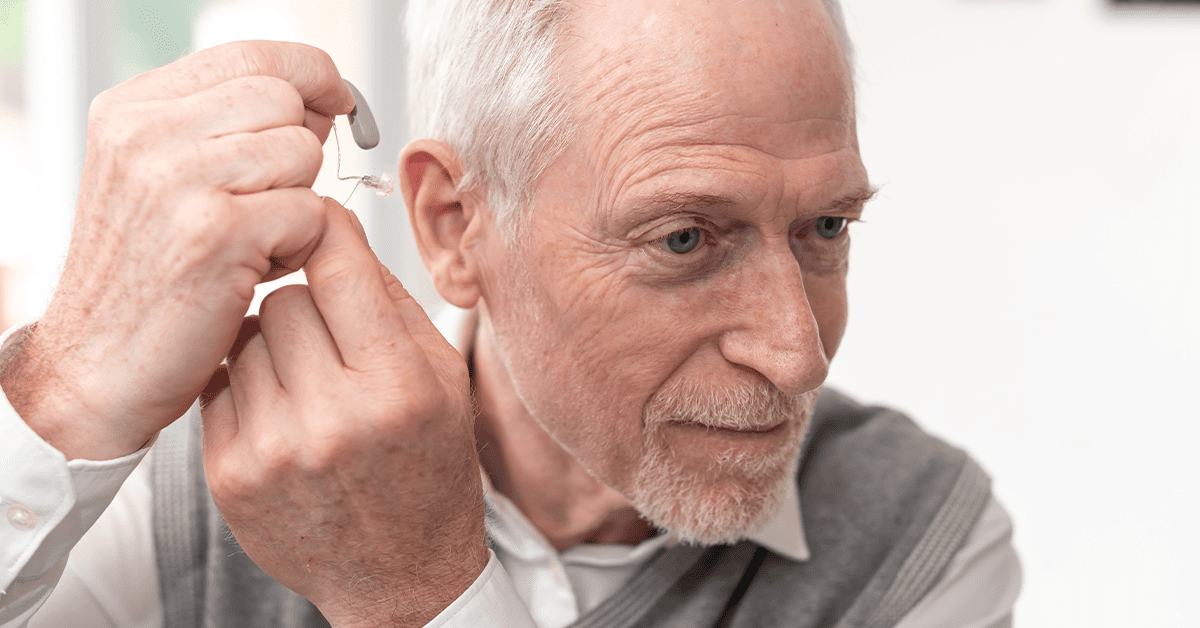
Hearing loss touches the lives of one in three people between 65 and 74 years old. Yet despite this startling frequency among seniors needing care in Cupertino, CA, and beyond, most hearing problems go untreated. The numbers tell a troubling story – while more than half of adults notice hearing difficulties, only about 11% take steps to address them. This treatment gap creates real emotional wounds. Seniors experiencing hearing loss face a higher chance of developing depression symptoms, revealing how deeply hearing challenges affect psychological health.
Recognizing the First Signs of Hearing Loss
Why small changes matter
Catching hearing changes early opens doors to timely help, which can significantly slow progression and reduce impact on your daily life.
Common early symptoms to look for
Spotting hearing loss early requires paying attention to subtle behavior changes. Here are key signs that might indicate you or someone you care about is experiencing early hearing problems:
- Speech perception changes—Speech sounds muffled or unclear, particularly children’s or women’s voices, since high-frequency sounds typically disappear first. You might catch yourself asking others to speak more slowly or clearly or to repeat themselves.
- Situational difficulties – Conversations become hard to follow in noisy places like restaurants or group activities. This happens because background noise (usually low-pitched) covers up important high-frequency speech sounds.
- Behavioral adaptations – Watching people’s lips instead of making eye contact during talks, feeling unusually tired after social gatherings from the mental effort of trying to hear or slowly turning up the volume on televisions and other devices.
How Hearing Loss Affects Mental Health
Hearing loss and depression: what’s the link?
Serious mental health risks come with hearing difficulties. Three key factors strengthen this relationship:
- Communication difficulties create frustration and helplessness when everyday conversations become struggles
- Brain changes happen as your hearing centers receive less input, possibly affecting mood-regulating areas
- Chronic stress builds from the constant strain of trying to hear, triggering depressive feelings
How hearing loss can affect self-esteem and confidence
The damage to self-image can be just as harmful. People with hearing loss often feel embarrassed when they misunderstand conversations or respond inappropriately. These moments lead to negative thoughts about themselves and their abilities.
Hearing loss has been shown to specifically harm:
- Social interactions, which become sources of anxiety rather than pleasure
- Independence, which feels threatened when you need others to help you communicate
- Professional identity, which suffers when workplace communication becomes difficult

Finding Light: Coping and Healing Strategies
Hearing aids and assistive tools
Hearing aids are the most powerful tool for fighting hearing loss and its emotional aftermath. The numbers speak for themselves – people using hearing aids can experience less moderate or severe depression compared to those who don’t use them. These devices do more than amplify sound – they rebuild bridges to meaningful human connection. When exploring hearing solutions:
- Modern hearing devices offer discreet designs with sophisticated technology that adapts to your hearing needs.
- Regular maintenance matters deeply—watch for wax buildup, battery problems or damage that could limit performance.
Additional assistive listening devices provide extra help in challenging settings. FM systems work wonders in group situations, infrared systems enhance TV watching and loop systems connect with hearing aids in public spaces. Though these options might feel complex initially, they deliver remarkable benefits to everyday life.
Building a support network in assisted living
Social connections in assisted living are essential for hearing health and emotional strength. People with hearing loss who maintain a strong support system suffer less psychological pain. Among those with moderate hearing loss, people without hearing aids reported psychological distress compared to some hearing aid users.
The support from peers offers something uniquely valuable—practical wisdom and emotional understanding that professionals alone cannot provide.
A Better Quality of Life
The bond between hearing health and well-being runs deeper than most realize. Seeking help shows courage, not weakness. Many seniors hesitate due to embarrassment or fear, yet this step often sparks renewed confidence and social engagement. Now that you understand the hearing-mental health relationship, why wait? Contact us at (408) 454-5600 to schedule a tour of our senior care in Cupertino, CA, Sunny View and discover how our community nurtures hearing health and emotional well-being.
FAQs
Q1. How does hearing loss impact mental health?
Hearing loss can significantly affect mental health, increasing the risk of depression, anxiety and social isolation. Adults with untreated hearing loss are more prone to experience depression symptoms compared to those with normal hearing. The struggle to communicate and participate in social activities can lead to frustration, loneliness and decreased self-esteem.
Q2. What are the early signs of hearing loss?
Early signs of hearing loss include difficulty understanding speech, frequently asking others to repeat themselves and struggling to hear high-pitched sounds. You might also notice yourself turning up the volume on devices, feeling unusually tired after social gatherings or watching people’s lips instead of making eye contact during conversations.
Q3. Can hearing aids help with the emotional effects of hearing loss?
Yes, hearing aids can significantly help with the emotional effects of hearing loss. Hearing aid usage can be associated with a reduction in moderate and severe depression compared to non-usage. These devices improve communication abilities and social engagement, boosting self-confidence and reducing feelings of isolation.
Q4. How does hearing loss affect social relationships?
Hearing loss can strain social relationships by making communication challenging. It often leads to social withdrawal, as individuals may feel embarrassed or frustrated when they struggle to follow conversations. This can result in reduced participation in social activities and a sense of disconnection from friends and family, potentially leading to social isolation.
Q5. What strategies can help cope with hearing loss in senior living communities?
Coping strategies for hearing loss in senior living communities include using hearing aids and assistive listening devices, participating in community support groups and educating family members and caregivers about effective communication techniques. Building a strong support network, staying socially engaged and working with hearing health professionals can also significantly improve quality of life.
Read Our Front Porch Blogs

LPGA Hall of Famer Amy Alcott Named First-Ever Front Porch Ambassador

Older Americans Month 2026: Championing Your Health at Front Porch