
March 30, 2026
Finding Relief: Memory Care Communities On-Site Support
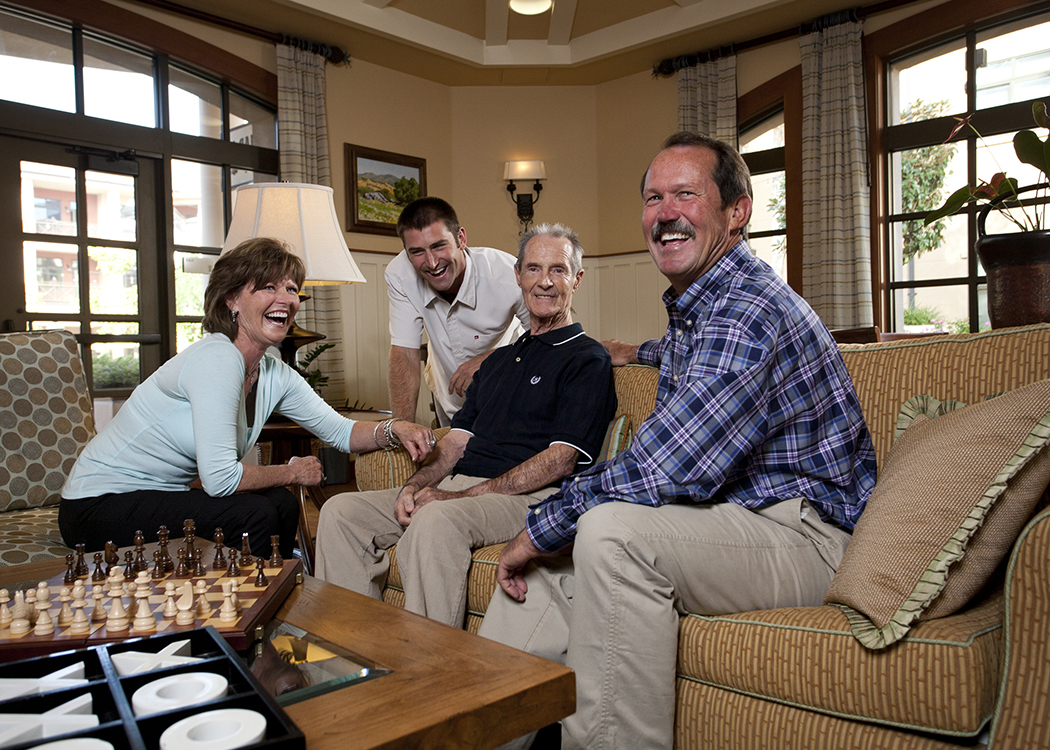
Memory care in Orange County, CA, offers comprehensive relief from the overwhelming burden of caregiving, providing both visible care services and a crucial reduction of the mental load that family caregivers often underestimate.
The decision to transition to memory care isn’t about giving up—it’s about providing the best possible care while preserving your own health and the precious relationship with your loved ones.
This blog explores how memory care communities in Orange County, CA, ease both the physical and mental burdens of dementia caregiving. Discover how on-site support, specialized staff, and structured environments reduce caregiver stress and help families maintain health, balance, and meaningful connections.
How Does On-Site Support Actually Work at a Memory Care Place? Is it Worth the Money?
You’re faced with a difficult decision. Professional memory care communities cost money, but caring for someone with dementia at home requires all you have. Here’s what you need to know about memory care support to help you make the right choice for your family.
What memory care communities actually do
Dementia care staff provide daily support that exceeds basic help. They assist residents with personal care, meals, and medication management. But that’s just the start. Our community also provides:
- 24-hour staff
- Wellness clinic
- Instructor-led fitness classes
- Personal training
The difference between hands-on care and invisible work
Helping someone shower or dress is physical work. You can see it, measure it, and check it off a list. The invisible work is different. It includes scheduling appointments, monitoring for changes in symptoms, researching treatments, and making countless daily decisions. This mental burden never stops.
How trained staff handle the details
Memory care colleagues receive specialized training in dementia care. For medications, staff follow careful procedures:
- Checking administration records
- Ensuring correct doses at the right times
- Maintaining accurate documentation
The Hidden Weight of Family Caregiving
Caring for someone with dementia involves much more than just the visible tasks. Many family members discover that the mental aspects of caregiving are the toughest strain.
The constant mental burden
Mental load refers to the ongoing responsibility of planning, decision-making, and staying alert that comes with caregiving. This work never stops. Physical tasks like helping with meals or bathing have clear beginnings and endings. Mental work continues around the clock.
Caregivers describe feeling like they’re “living in the whirlwind” – managing multiple demands while feeling out of control. With dementia care, you stay watchful for changing needs, issues, and unexpected challenges behaviors.
Research shows that 44% of caregivers report that caregiving is emotionally difficult (National Academies of Sciences, Engineering and Medicine [NASEM], 2016). The ongoing stress creates chronic alertness that affects both mind and body. The mental burden includes:
- Worrying about what could happen next
- Constant problem-solving
- Maintaining awareness at all times
The work nobody sees
Every visible caregiving task involves unseen work. This includes researching treatments, coordinating appointments, managing finances, handling insurance, and monitoring for symptom changes. Family members often become case managers, nurses, financial planners, and emotional supporters – usually without training. Researchers refer to this as an “invisible workforce” in long-term care. Memory care communities can offer the structured environment and expertise that reduce this burden, allowing family members to focus on connection rather than constant oversight management.
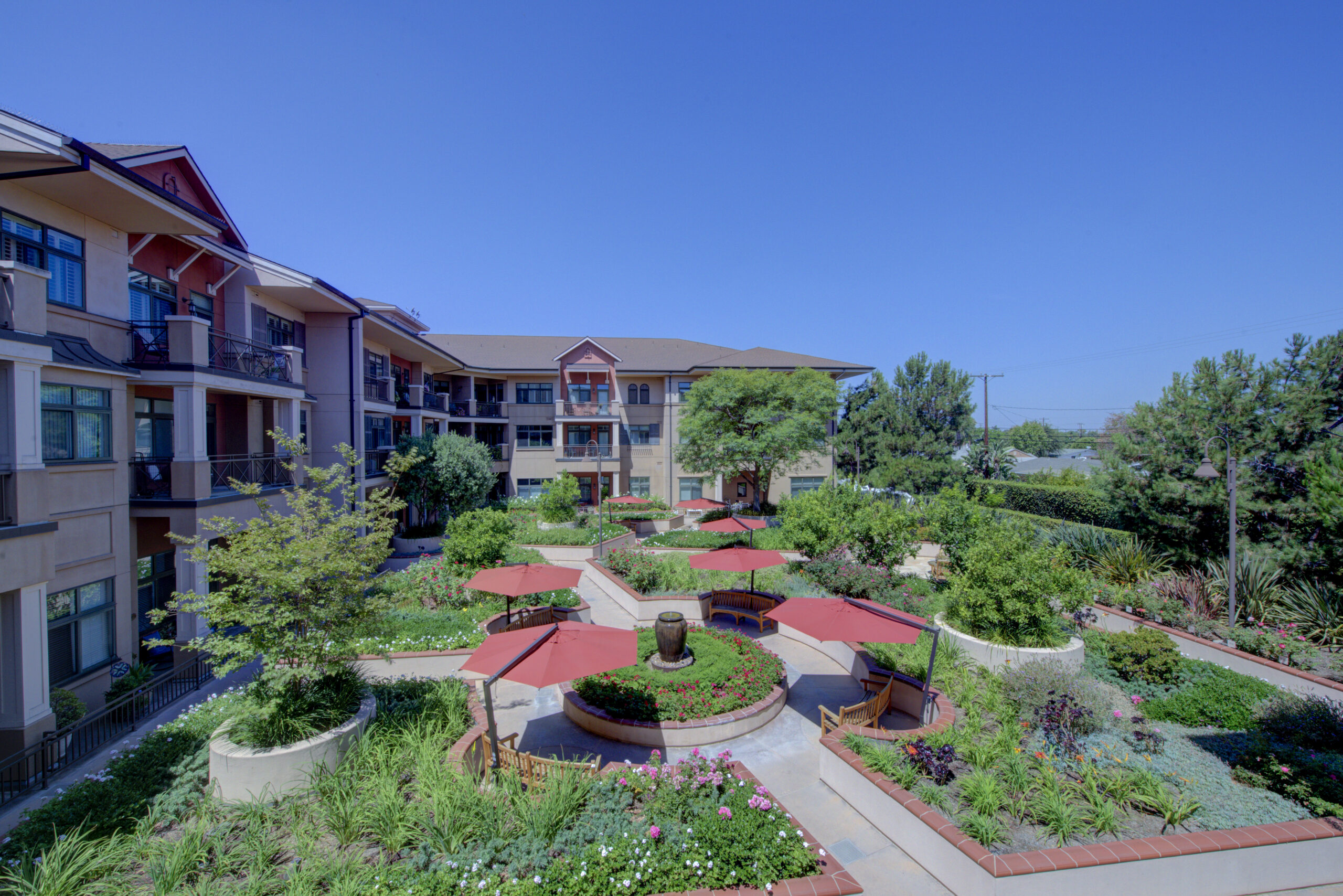
Moving Forward
Recognizing when you need help isn’t giving up—it’s making a thoughtful decision based on what’s best for everyone involved. When the constant worry and management responsibilities are lifted, you can return to being what you’ve always been—a family member who loves and supports, rather than a full-time caregiver managing complex medical needs.
If you’re exploring memory care options in Orange County, take the time to visit communities and ask questions. The right community will welcome your involvement and provide the care your loved one needs. The decision to transition to memory care isn’t about giving up—it’s about offering the best possible care while maintaining your own health and the special bond with your loved one. For more information, call (714) 507-7000 to schedule a tour of Walnut Village.
FAQs
Q1. What services are usually included in memory care communities?
Memory care communities provide comprehensive services including 24/7 supervision, support with life enrichment programs, medication management, specialized dementia care, and structured social activities. They also offer meals, housekeeping, and transportation to medical appointments.
Q2. What is the “mental load” of caregiving and why is it significant?
The “mental load” describes the ongoing mental effort involved in planning, decision-making, and responsibility that come with caregiving. It is often more tiring than physical tasks and can cause substantial stress, impacting both emotional and physical health caregivers.
Q3. How do memory care communities help reduce caregiver stress?
Memory care communities ease caregiver stress by handling daily care and medication management. This enables family members to concentrate on meaningful interactions instead of ongoing caregiving duties, lowering mental and emotional strain burden.
Read Our Front Porch Blogs

Older Americans Month 2026: Championing Your Health at Front Porch
Investing in community: the story of David and Jane Kretzmann