June 10, 2025
New Skills, New Joy: Memory Care Hobbies
Memory care in Orange County, CA, creates spaces where residents find meaning through engaging activities that honor their interests and abilities. Memory care activities reveal remarkable possibilities tailored to individual preferences and current abilities. These thoughtful activities go beyond filling time—they preserve dignity while supporting cognitive health and emotional connection. Your loved one might enjoy creating personalized memory boxes or participating in fitness programs at retirement communities. The right activities can meaningfully enhance their daily experience and quality of life.

Activities for Early-Stage Memory Care Residents
Card games and puzzles
Card games and puzzles provide excellent cognitive stimulation for people in the early stages of memory changes. Research shows puzzles help manage stress and may improve cognition, potentially slowing the progression of symptoms. Jigsaw puzzles enhance visual-spatial processing, episodic memory and emotional regulation.
Creative writing and storytelling
Creative writing reaches deep memories while offering powerful emotional expression. Poetry and storytelling workshops allow residents to share their voices in welcoming, accessible ways. Residents can create stories through guided questions about photographs or shared experiences, even with memory changes.
Photo albums and family trees
Photo albums and family trees serve as powerful reminiscence tools. These visual aids help residents reconnect with personal histories and strengthen family bonds. Genealogy projects create excellent opportunities for families to work together with their loved ones, preserving precious memories and strengthening connections.
Sensory Experiences for Mid-Stage Memory Care
Music therapy and sing-alongs
Musical memories remain strong even when other communication becomes more challenging. music therapy can reduce anxiety and agitation while improving mood in people living with dementia. Musical memory centers in the brain often stay active well into later stages, making music accessible when other connections fade. Music activities that work well:
- Songs from their teens and twenties for the strongest recognition
- Active participation through singing, clapping or simple instruments
- Both listening experiences and music-making opportunities
Tactile experiences and sensory bins
Touch provides comfort and calm for people managing memory changes. Sensory bins filled with everyday objects that engage touch, sight and sound can be especially meaningful. Thoughtful sensory experiences include:
- Textured materials like soft fabrics, smooth stones or gentle feathers
- Sorting activities with colorful objects
- Fidget blankets with zippers, buttons and varied textures
Gentle Connections for Advanced Memory Care
The language of touch
Physical touch becomes essential when words no longer bridge the gap between loved ones and care providers. Gentle hand massage decreases agitated behavior during treatment. This calming effect matches pharmaceutical interventions without side effects. Tactile experiences reduce stress and anxiety while communicating care when verbal connection feels distant.
Musical memory that endures
Music reaches people even when other forms of communication become challenging. Musical memory often remains intact until very late stages, making familiar songs powerful tools for connection. Classical music with pastoral qualities optimizes restorative benefits and increases tranquility for people living with dementia. Many residents can still tap beats or sing lyrics to childhood songs even in advanced stages.
Creating Personal Connections
Matching activities to current strengths
Successful engagement happens when activities align with current cognitive and physical abilities. Residents may demonstrate greater attention and participation when activities include:
- Clear, simple instructions with visual demonstrations
- Modified materials (larger pieces, higher contrast colors)
- Simplified steps for complex tasks
Focus on what someone can do rather than limitations. A former gardener with limited mobility might find joy in arranging flowers or sorting seeds instead of working in the soil.
Building bridges through family involvement
Family members create powerful opportunities for connection and shared experiences. Studies show that residents who receive family communication more than once weekly experience fewer behavioral symptoms compared to those with minimal family contact. Family members bring irreplaceable knowledge about preferences and can help bridge communication between care partners and residents.
Exploring new possibilities with technology
Technology opens fresh avenues for personalized engagement. Virtual reality experiences have shown positive impacts on emotional well-being for memory care residents, with improvements in mood and cognitive function during sessions. Video calling platforms have become valuable tools for maintaining family connections, with features like “drop-in” calling that allow effortless communication without requiring the person to answer.
Creating Meaningful Moments
The right activities transform daily life for memory care residents, creating meaningful moments that honor who they are beyond their diagnosis. At every stage, thoughtfully chosen hobbies and sensory experiences support cognitive health while fostering genuine connection.
The memory care path brings its challenges, yet discovering suitable activities creates rewarding possibilities for engagement. Contact us at (714) 507-7000 to schedule your tour of our memory care community, Walnut Village. Approach memory care activities with patience, creativity and genuine care. Small moments of meaningful engagement contribute to significant improvements in daily well-being. When activities respect each person’s unique story and current abilities, they create space for dignity, comfort and authentic connection within everyday care.
FAQs
Q1. What are some engaging hobbies for people with memory care needs?
There are many enjoyable activities for memory care residents, including music therapy, arts and crafts, sensory experiences, nature-based activities and gentle exercises like tai chi or yoga. The crucial thing is to choose activities that match the individual’s interests and abilities.
Q2. How can leisure activities benefit someone with dementia?
Leisure activities can provide cognitive stimulation, reduce anxiety and improve well-being for individuals with dementia. Activities like listening to music, looking through a photo album or engaging in simple creative tasks can offer a sense of purpose.
Read Our Front Porch Blogs
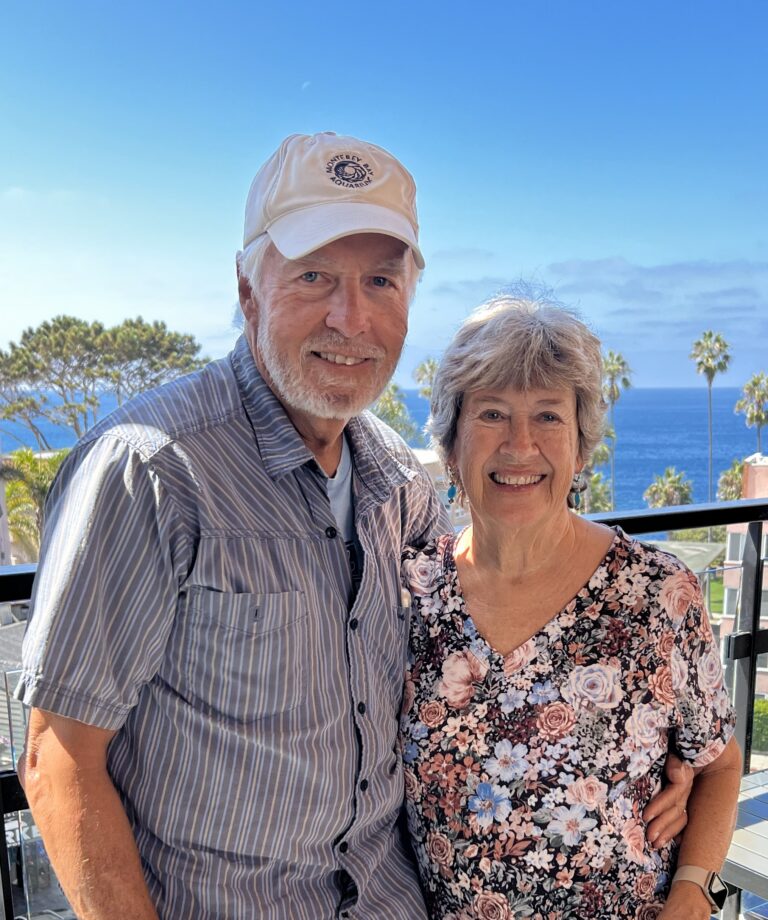
Investing in community: the story of David and Jane Kretzmann
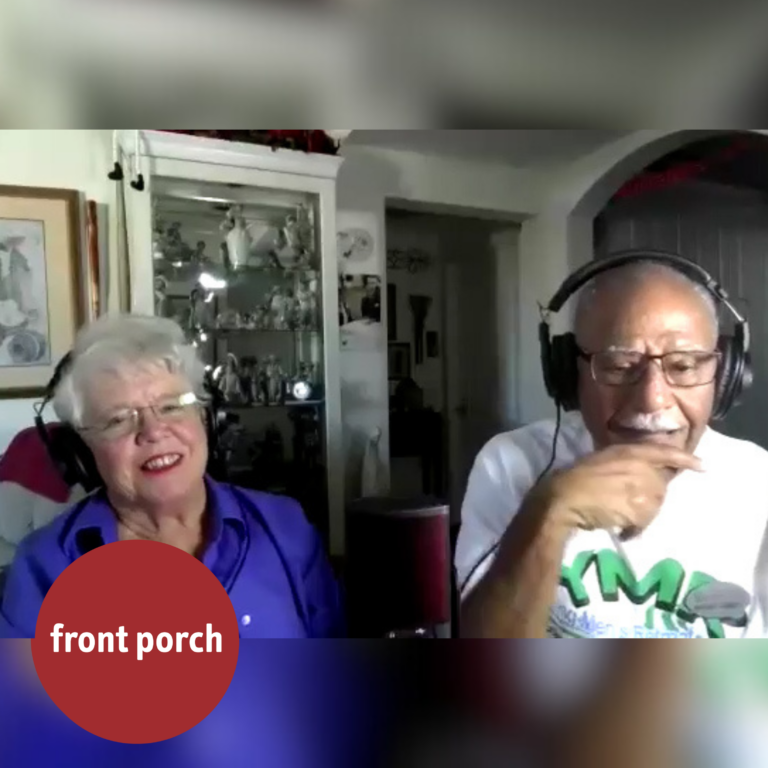
Front Porch Podcast – Episode 8: Belonging: The Heart of Community—with Arthur Liggins & Candace Young-Schult