

June 24, 2026
Why Biophilic Design Matters in Memory Care Communities
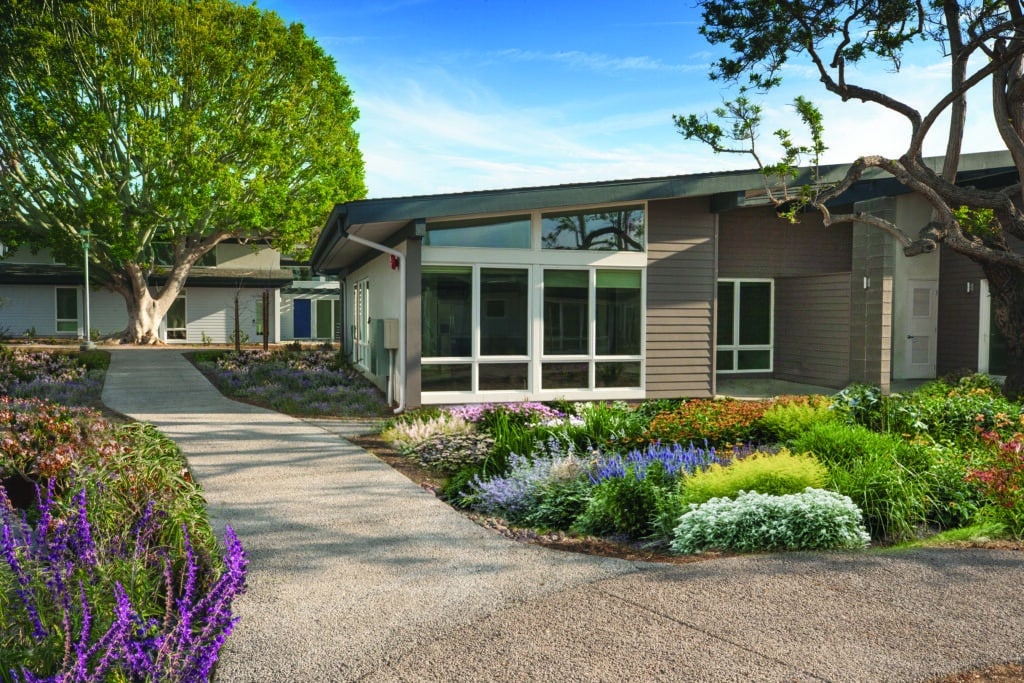
When families begin researching memory care in San Diego, CA, their attention naturally turns first to care levels and staff training. Those considerations are rightly central to the decision. But the physical environment deserves equal scrutiny — particularly for someone living with memory loss, for whom the spaces they move through every day can profoundly shape their comfort, sense of routine, and overall well-being.
Natural light, quiet outdoor areas, familiar textures, and calming surroundings all influence how a space feels to residents and families alike, often in ways that are easy to underestimate until you’re standing inside a community that gets it right — or one that doesn’t.
That’s a significant part of why biophilic design has become an increasingly important conversation in memory care.
Biophilic design is built around a straightforward but well-supported premise: people tend to feel more grounded and at ease when they remain connected to the natural world. In senior living environments, that connection can take many forms — garden courtyards, walking paths, shaded seating areas, natural materials, and indoor spaces thoughtfully designed to bring in daylight and outdoor views.
What Biophilic Design Actually Looks Like in Memory Care
Biophilic design isn’t about elaborate architecture or high-end aesthetics. More often, it manifests in considered details that help spaces feel calm, approachable, and genuinely human rather than clinical.
In memory care settings specifically, these elements might include courtyards with walking paths and shaded seating, gardens featuring seasonal plants and familiar scents, large windows that draw in natural light, natural materials like wood and stone incorporated into interior finishes, quiet outdoor gathering areas, and indoor spaces designed around softer colors and organic textures. Together, these choices work to reduce overstimulation while creating environments that feel less institutional and more like places where people actually live.
The Importance of Sensory Connection
For many older adults living with dementia, sensory connection remains meaningful and accessible even as other forms of communication become more difficult. Familiar sounds, textures, scents, and outdoor experiences can still feel grounding and recognizable in ways that transcend verbal exchange.
That’s one of the central reasons many memory care communities have placed growing emphasis on access to outdoor areas and nature-inspired interior spaces. The sensory environment isn’t a secondary consideration in good memory care design. It’s foundational to it.
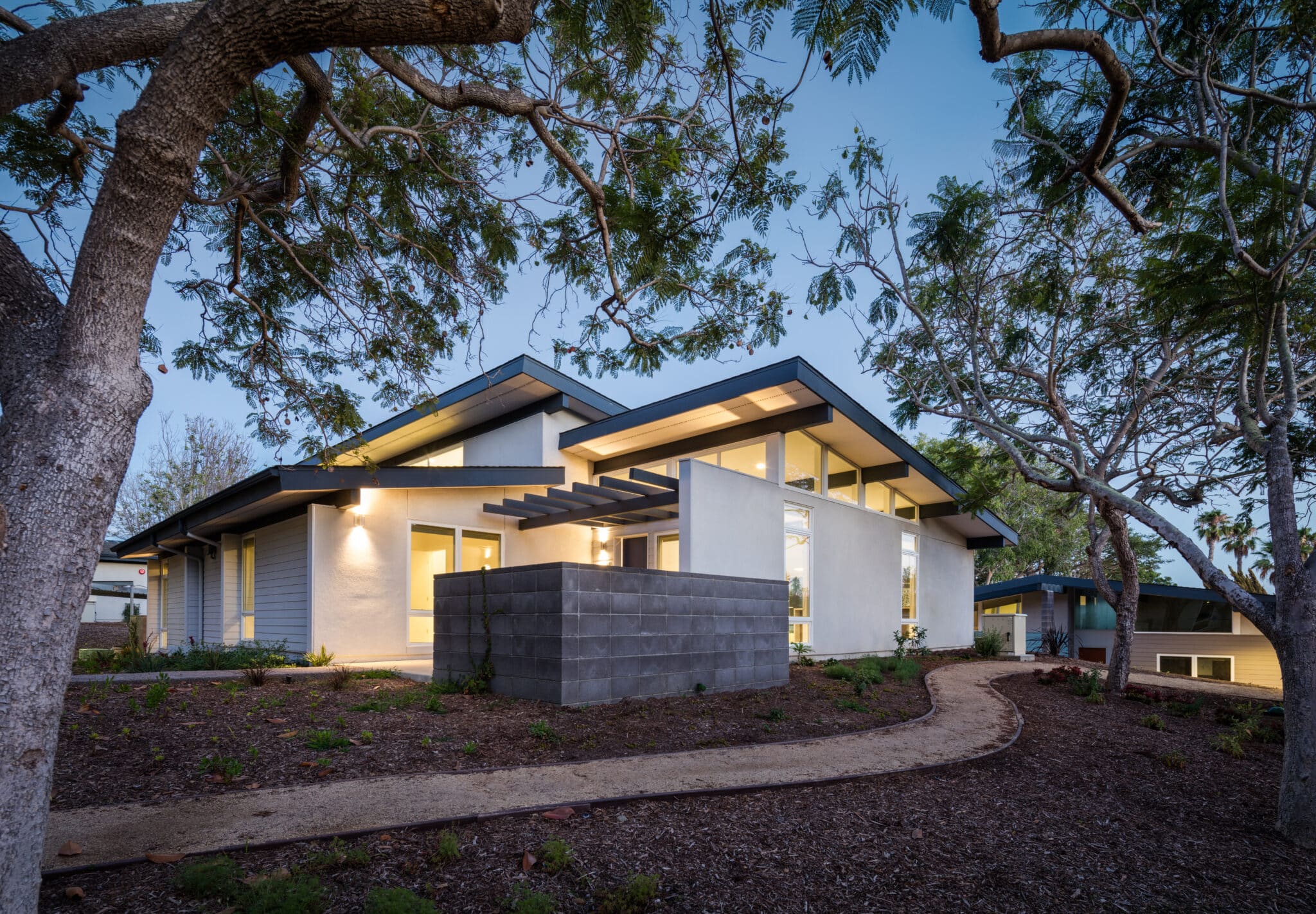
Why Outdoor Access Matters
Access to nature has long been associated with reduced stress, improved mood, and greater emotional well-being across age groups (Jimenez et al., 2021). Researchers continue examining how these benefits may extend specifically to older adults living with dementia, and early findings are encouraging.
Outdoor courtyards and garden spaces in memory care communities often become meaningful sites of daily life: places where families spend quiet time together, where residents participate in familiar activities like walking or tending plants, where caregivers can gently redirect attention during difficult moments, and where the rhythms of the day feel less confined to interior schedules and artificial lighting.
In much of the country, access to therapeutic outdoor spaces is limited by seasonal weather. San Diego’s mild, year-round climate creates something genuinely valuable in this context: consistent, reliable access to fresh air, natural daylight, and outdoor movement throughout every month of the year. For families evaluating memory care communities, that geographic advantage is worth taking seriously.
The Role of Sensory Design in Dementia Care
Memory care environments increasingly incorporate sensory-informed design because dementia fundamentally affects how people process and experience their surroundings. Lighting, sound levels, textures, colors, and spatial layout all influence whether a space feels comfortable and navigable or disorienting and stressful. Overly bright lighting, loud or unpredictable sound environments, and visually complex hallways can all contribute to agitation or confusion in ways that thoughtful design can meaningfully mitigate.
Communities attentive to these dynamics often incorporate clearly defined walking paths that reduce disorientation, quiet spaces dedicated to rest and decompression, gentle lighting transitions that follow the natural arc of the day, raised garden beds that invite tactile engagement, and household-style furnishings that feel familiar rather than institutional. These aren’t attempts to engineer perfect outcomes — dementia care is far too individual and complex for that. They are efforts to create environments that support comfort and familiarity as consistently as possible.
Biophilic design reflects a meaningful shift in how the field of memory care thinks about well-being. Rather than concentrating exclusively on clinical intervention, many communities now recognize that the spaces themselves are part of the care — that an environment can either support a resident’s sense of safety and ease or quietly undermine it.
At communities like Wesley Palms, families exploring memory care may notice how outdoor access, shared gathering areas, and natural surroundings contribute to the overall feeling of the environment — present and purposeful without calling attention to themselves. That quality of quiet thoughtfulness is often exactly what families are hoping to find.
Contact us at (858) 274-4110 to schedule a tour and learn more about our memory care approach.
Frequently Asked Questions
Q1. What is biophilic design in the context of memory care? Biophilic design refers to the intentional incorporation of natural elements — gardens, abundant daylight, outdoor spaces, and natural materials — into the built environment. In memory care settings, these features are designed to create spaces that feel calming, familiar, and emotionally supportive for residents navigating the challenges of cognitive decline.
Q2. Why are outdoor spaces particularly important in memory care communities? Outdoor areas provide opportunities for walking, social interaction, quiet reflection, and meaningful sensory engagement. Many families also value outdoor access because it allows daily life to feel less confined to interior spaces and more connected to the natural rhythms of light and season that most people find intrinsically comforting.
Q3. Can nature-based design genuinely support people living with dementia? Research into this question is ongoing, and individual experiences vary considerably. That said, many memory care communities have incorporated biophilic design principles precisely because the evidence suggests these environments can support emotional well-being, reduce overstimulation, and provide grounding sensory experiences for residents whose verbal and cognitive capacities may be diminishing. It’s one meaningful piece of a much larger care picture.
Read Our Front Porch Blogs

LPGA Hall of Famer Amy Alcott Named First-Ever Front Porch Ambassador

Older Americans Month 2026: Championing Your Health at Front Porch