
October 31, 2026
Fall Butterfly Gardening: Why Late-Season Blooms Matter
Key Takeaways
- In butterfly gardening, fall is a working season, not a wind-down: late bloomers supply the nectar butterflies rely on before migration and the cooler months.
- Santa Rosa’s long, mild autumn lets gardeners extend bloom well past the point where many regions have stopped planting.
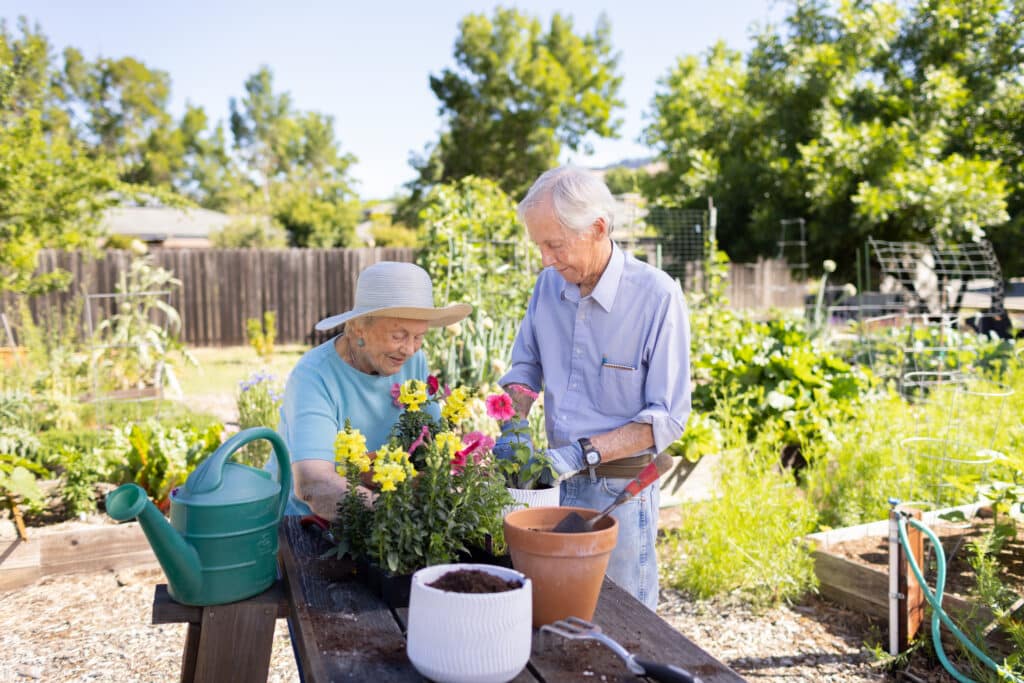
- At Friends House, a resident-run bee and butterfly garden, two community gardens and nearby trails give residents a place to see that late-season activity up close.
Why Does Butterfly Gardening Feel So Rewarding?
There is a particular pleasure in noticing something that might otherwise go unseen. A butterfly settles briefly on a flower. A patch of color changes as one season gives way to another. A garden that looked quiet yesterday suddenly feels full of movement.
In Santa Rosa, where gardens and outdoor spaces are naturally woven into the character of the region, gardening can offer an especially tangible connection to place. And a butterfly-friendly garden has the added quality of being ever-changing. There is always something to watch for.
A Garden That Changes With the Calendar
A successful butterfly garden is less about creating one spectacular display than about thinking in seasons. Different plants bloom at different times, giving butterflies access to nectar across a longer stretch of the year.
That seasonal rhythm gives the gardener something to anticipate:
- Spring: Look for early blooms and the first returning pollinators.
- Summer: Enjoy gardens at their most active, with flowers providing abundant nectar.
- Fall: Late-blooming plants can provide important food for butterflies preparing for migration.
- Winter: In parts of coastal California, winter-blooming plants can continue to offer nectar when many gardens have gone quiet.
The goal is not perfection. It is continuity.
How Can a Butterfly Garden Become Part of Everyday Life?
A garden becomes more meaningful when it is something people can return to. Butterfly gardening naturally encourages that kind of relationship. Plant something, observe it, notice what arrives and then wonder what might appear next.
Gardening as an Invitation to Notice
There is also something democratic about a garden. You do not need to be an expert gardener to appreciate it. You can participate by planting, tending, observing, photographing or simply taking a walk through the space.
That flexibility makes nature-based interests especially fitting within assisted living. Life enrichment programs do not need to be structured around a single ability or expectation. They can accommodate different levels of participation while preserving the sense that everyone has something to notice, learn or contribute.
What Does Butterfly Gardening Look Like at Friends House in Santa Rosa?
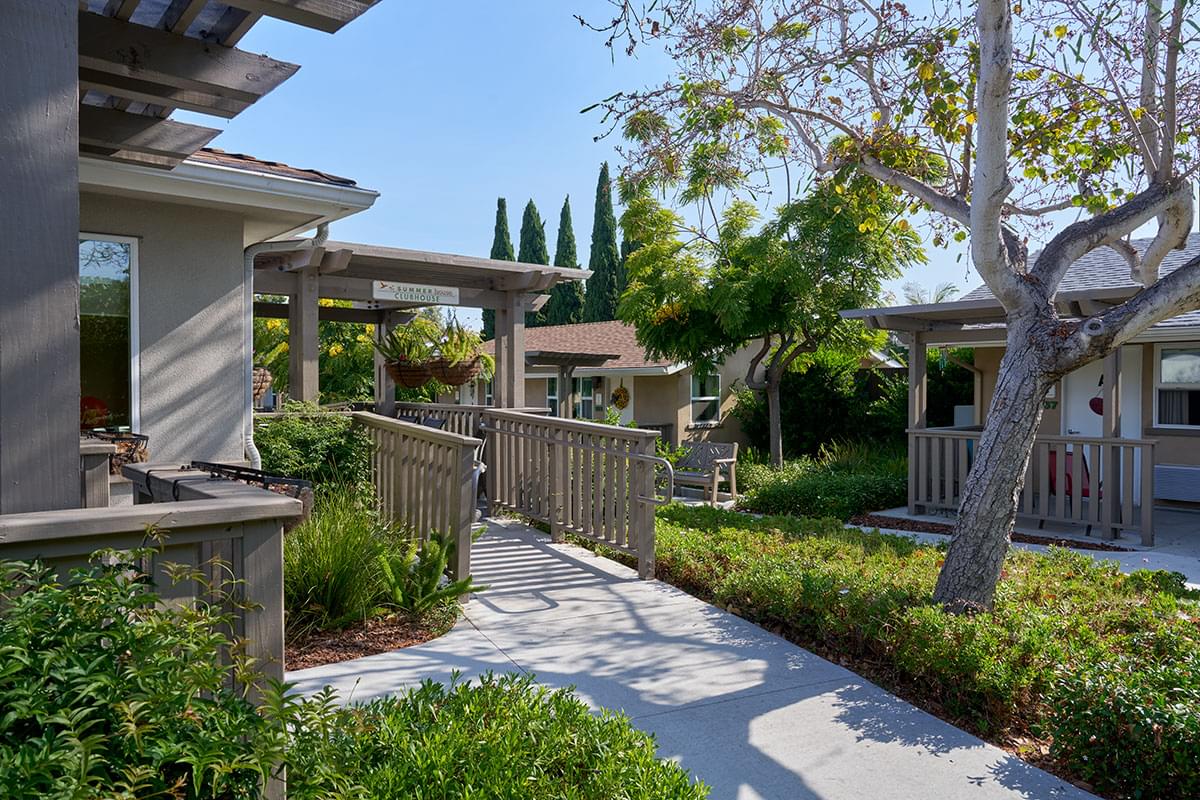
At Friends House, a Front Porch community in Santa Rosa, nature is not an afterthought. The seven-acre campus includes mature landscaping, two community gardens, a resident-run bee and butterfly garden, communal fruit trees, walking paths and private access to the Brush Creek Watershed Trails.
Friends House also offers lifelong learning opportunities, cultural explorations, resident-run programs, social events and volunteer opportunities.
For someone exploring assisted living in Santa Rosa, that breadth matters. A community can provide practical support while leaving room for interests, relationships and personal discovery to remain central to daily life.
How Can Seasonal Gardening Create a Deeper Sense of Belonging?
A shared garden can become a common point of reference. People may notice the same flowering plant, watch the same patch of garden change or become familiar with the creatures that visit throughout the year.
Those repeated observations can help create belonging because they give people something to care about together. At Friends House, resident-led events and programs create additional opportunities for people to shape community life around shared interests.
A Garden Is Never Only a Garden
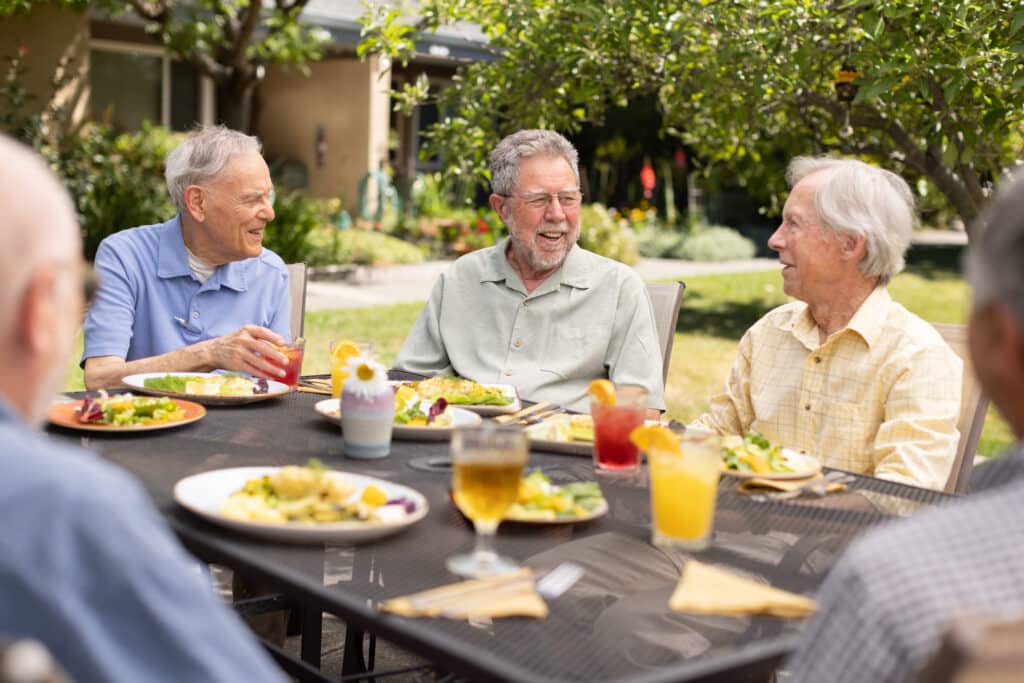
A butterfly-friendly garden can be a place for learning, creativity, conversation and quiet observation. It can connect people to the local landscape while giving them another reason to step outside and engage with one another.
In Santa Rosa, that connection feels particularly natural. At Friends House, the surrounding landscape, gardens and access to the Brush Creek Watershed Trails make nature part of the physical setting rather than something that requires a special outing.
Discover More at Friends House
For those exploring what life could look like in an assisted living community, Friends House offers a setting where gardens, lifelong learning and resident-led experiences are part of the larger community experience. Explore Friends House to discover how everyday opportunities for connection, curiosity and belonging can continue to grow in Santa Rosa.
FAQs
Q1. What is butterfly gardening?
Butterfly gardening is the practice of creating a garden with plants and conditions that provide food and habitat for butterflies. Choosing plants that bloom during different seasons can help provide resources throughout the year.
Q2. What plants attract butterflies in California?
California-friendly butterfly plants include species such as sages, asters, goldenrods and buckwheat. Plant selection should consider the specific local climate, growing conditions and the timing of blooms.
Q3. Why is seasonal planning important for butterfly gardens?
Different butterflies and pollinators need food at different times. Planning for successive blooming periods can help create a garden that remains useful and interesting across multiple seasons.
Read Our Front Porch Blogs

9 Front Porch senior living communities earn national rankings

Purpose, Perspective, and P.L.U.C.K.: How Joe and Carol Danks Turn Philosophy into Local Impact