

June 2, 2026
How Garden Spaces Support Daily Well-Being in 24-Hour Assisted Living
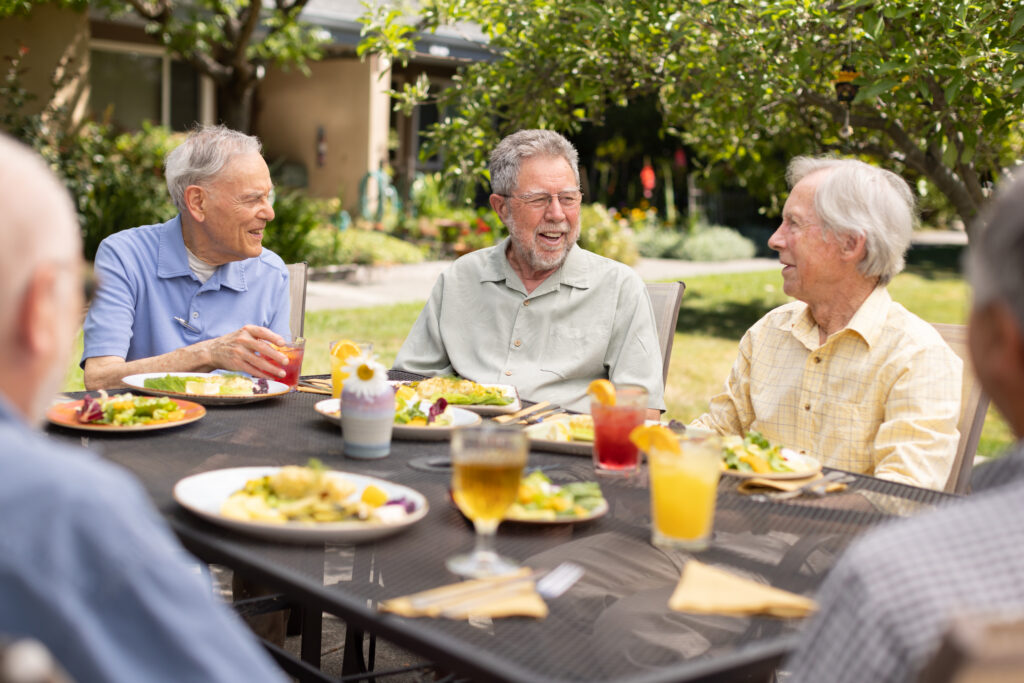
There’s something quietly reassuring about stepping outside in the morning and brushing your hand across rosemary or lavender as you pass. The scent lingers for a moment. Someone nearby pauses to water tomatoes. Another resident sits with coffee beneath the shade of a tree while conversation drifts easily between neighbors.
At Friends House, our 24-hour assisted living in Santa Rosa, CA, these moments aren’t occasional activities. They’re woven naturally into the fabric of daily life.
The gardens here are not simply decorative spaces. They shape the rhythm of the day in small but meaningful ways, encouraging movement, supporting connection, and creating moments of calm that feel steady and familiar over time.
The Comfort of Familiar Outdoor Routines
Garden spaces have a way of becoming part of daily routine without requiring much planning or intention. Someone heads outside after breakfast to check on herbs planted earlier in the week. A small group gathers around the raised beds, talking quietly together. Others sit nearby, enjoying fresh air, birdsong, or simply the comfort of being outdoors for a while.
Some residents enjoy planting, pruning, and watering. Others prefer to spend time in the space more quietly, observing and simply being present. Both experiences are equally valuable. Over time, these routines create a comforting sense of familiarity that helps give shape and continuity to each day.
Movement That Happens Naturally
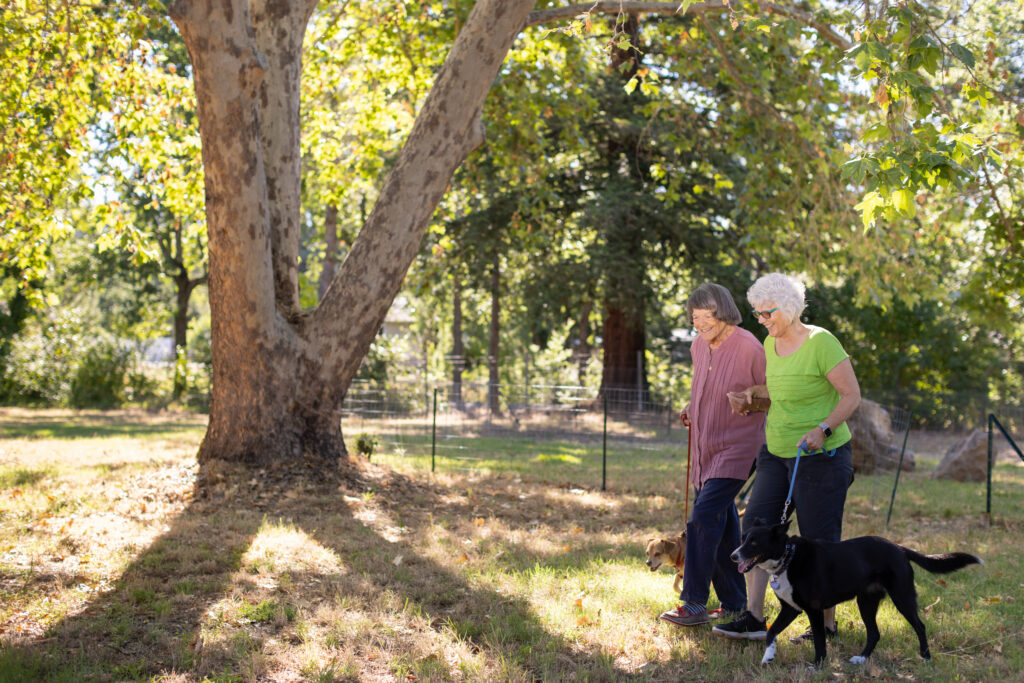
Not all movement needs to feel like exercise. Gardens encourage physical activity in quieter, more organic ways: walking along pathways, reaching to water plants, bending gently while tending flowers, or simply spending more time upright and outdoors throughout the day.
These small, purposeful motions can help support balance and flexibility, steadier mobility, and greater confidence in everyday movement, all without the pressure of a structured fitness program. Because the activity feels enjoyable and meaningful rather than obligatory, residents tend to return to it naturally and consistently.
The Emotional Effect of Time Outdoors
Outdoor spaces influence emotional well-being in ways that feel both immediate and deeply familiar. Sunlight filtering through the trees. The smell of soil after watering. Fresh herbs that find their way into lunch later in the day. The sound of birds drifting in during a quiet afternoon. These sensory experiences are simple, but their cumulative effect on mood and comfort is genuine.
For residents experiencing memory changes, familiar textures, scents, and routines can also feel grounding and reassuring in ways that structured programming sometimes cannot replicate. Research supports what many families observe firsthand: environments that feel recognizable and welcoming often provide a form of comfort that goes beyond what care plans alone can offer.
Spaces Where Connection Happens Easily
One of the most meaningful qualities of a well-designed garden space is how naturally it brings people together. Conversation tends to flow more easily outdoors than in formal settings. Someone mentions a plant beginning to bloom. Neighbors pause to talk while walking the path. Families visit and spend time together in a setting that feels relaxed rather than institutional.
Over time, these small interactions become part of the social fabric of the community. Friendships grow gradually through shared routines and repeated, familiar encounters rather than through organized introductions or scheduled social events. That kind of organic connection tends to be the most lasting.
Support That Blends Into Everyday Life
At Friends House, support remains present throughout the day without becoming the center of attention. Residents receive assistance when needed with personal care, mobility, and daily routines, but life continues to unfold naturally around those moments. The focus stays on living well: sharing meals, spending time outdoors, connecting with neighbors, and maintaining the personal routines that still feel meaningful.
Gardens contribute directly to that experience. They provide structure without rigidity and activity without pressure, helping residents maintain a genuine sense of independence while feeling supported at the same time.
Why These Everyday Moments Matter
When families begin exploring assisted living options, they often focus first on care plans, staffing ratios, and service offerings. All of that matters. But quality of life over time is frequently shaped by smaller things: whether someone looks forward to stepping outside in the morning, whether conversations happen naturally throughout the day, whether the environment feels calm, comfortable, and connected to personal routine.
At Friends House, the gardens help create that rhythm.
For families exploring assisted living in Santa Rosa, visiting in person tends to bring that feeling into focus in a way that words alone cannot fully convey. To learn more about daily life at Friends House, call (707) 573-4508.
FAQs
Q1. Do residents need gardening experience to enjoy the outdoor spaces? Not at all. Some residents enjoy hands-on gardening, while others simply appreciate spending time outdoors in a peaceful, natural setting. Both ways of engaging with the space are equally welcome.
Q2. How can gardens support emotional well-being? Outdoor spaces encourage relaxation, gentle movement, sensory engagement, and natural social interaction, all of which contribute meaningfully to overall emotional and physical well-being over time.
Q3. Why are outdoor environments important in assisted living communities? Accessible outdoor areas help residents stay connected to nature, maintain comforting daily routines, and enjoy moments of calm, reflection, and connection throughout the day, all of which support a higher quality of life in meaningful and lasting ways.
Read Our Front Porch Blogs

LPGA Hall of Famer Amy Alcott Named First-Ever Front Porch Ambassador

Older Americans Month 2026: Championing Your Health at Front Porch