
March 13, 2026
Beyond Loss: Supporting a Surviving Spouse at 24-hour Assisted Living
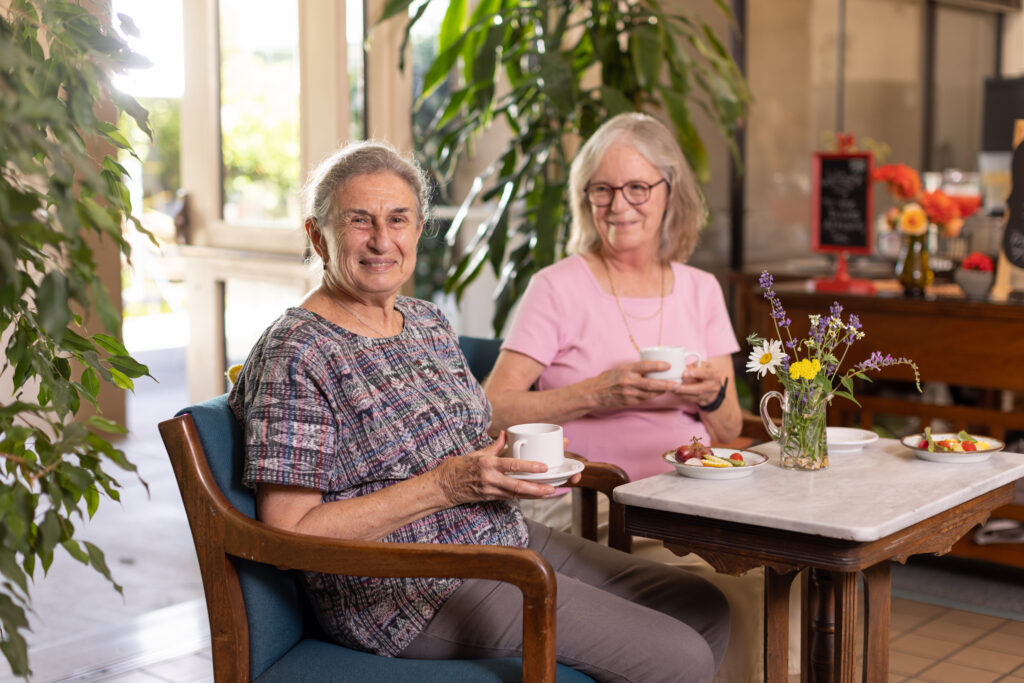
Losing a spouse poses serious health risks that many families don’t anticipate. The “widowhood effect” indicates that recently widowed individuals face an increased risk of death within the first 90 days of losing their spouse. This health concern becomes especially crucial when families consider support options like 24-hour assisted living in Santa Rosa, CA, for a grieving loved one.
The combination of professional care, social engagement, and family support creates the ideal environment for healing and rebuilding life after losing a spouse.
Reduce the “widowhood effect” by selecting 24-hour assisted living in Santa Rosa, CA. Our community fights social isolation with expert medical support and lively social activities. Safeguard your loved one’s health and happiness during grief with compassionate, around-the-clock care focused on healing and independence.
Which Is Better for a Grieving Widow—Remaining at Home with a Nurse or Transitioning to 24-Hour Assisted Living to Cope with Loneliness?
Losing a spouse brings families to a crossroads: should your loved one stay at home with a nurse or consider 24-hour assisted living in Santa Rosa, CA? Home feels familiar, but it often becomes a place of isolation rather than comfort for grieving widows.
Why assisted living is better than staying home alone
Home may feel independent, but this independence can be misleading when someone can no longer drive, visits friends less often, or stops eating properly—all common triggers for depression. Staying home alone quickly shrinks social circles, especially when friends don’t know how to help during a time of grief.
Assisted living communities foster natural opportunities for connection through shared meals, organized life-enrichment programs, and daily interactions with other residents. Professional caregivers stay available around the clock, which means help is always nearby in emergencies.
Building connections that heal loneliness
Daily interactions help overcome isolation. Shared meals rekindle the joy of conversation. Life enrichment programs encourage participation without forcing it. These social connections are deeply important—maintaining ties with others supports both physical and mental well-being health.
Keeping health on track
Medication management is a top reason families choose assisted living, with many of the residents receiving medication help that ranges from gentle reminders to full administration. Professional caregivers make sure medications are taken correctly. It’s important because proper medication use keeps healthcare effective.

Photography by Tracy + David, www.tracydavid.com
Tracy Boulian and David Ahntholz
How Grief Affects the Body and Mind
Grief manifests physically in ways that often surprise many families. When you’re considering assisted living care in Santa Rosa, CA, recognizing these physical signs helps explain why professional support is so important after losing a spouse.
When grief disrupts sleep and appetite
The body reacts strongly to loss. Sleep becomes hard to find for those who are grieving, who often have more sleep problems than others. Some can’t fall asleep, while others sleep excessively, as grief keeps the body’s alarm system constantly active. Food often loses its appeal or turns into a way to seek comfort through eating.
Grief actually shifts blood flow away from digestion, which explains why some people feel full quickly or feel nauseous. Stress hormones can either completely suppress appetite or trigger cravings for sweets and comfort foods.
The lasting effects of caregiving
Many widows and widowers spend months or years caring for their spouse before experiencing the loss. This leads to “caregiver burnout”—complete physical, emotional, and mental exhaustion. Research shows that over 60% of caregivers develop burnout symptoms (Cleveland Clinic, 2023), which include:
- Overwhelming fatigue
- Withdrawing from friends and family
- Trouble sleeping
- Getting sick more often
When heartbreak becomes a medical emergency
“Broken heart syndrome” is a real condition called Takotsubo cardiomyopathy. Intense grief triggers the release of stress hormones that cause the heart’s blood vessels to tighten and spasm. The heart muscle can weaken or fail, even without blocked arteries, similar to a heart attack. Women past menopause face the highest risk, but anyone experiencing severe grief can develop this condition, especially in the first weeks after loss.
Choosing the Right Support
Grief after losing a spouse impacts both heart and health in ways that catch many families by surprise. The healing process requires more than just time—it needs the right support to prevent serious health risks that can arise during those vulnerable first months. Recovering after the loss of a spouse takes time and proper support. With compassionate care and understanding, your loved one can get through this difficult period while maintaining their health, dignity, and quality of life. For more information about how Friends House can support your loved one during this challenging time, call (707) 573-4508 to schedule a tour of our assisted living community.
Understanding the “widowhood effect” is the first step; the next is finding a community equipped to handle these emotional needs. Read our ‘Mental Wellness: Questions to Ask at an Assisted Living Community’ for the specific questions you should ask to ensure your loved one receives the proactive support they need deserve.
FAQs
Q1. How can assisted living help a widowed senior feel less lonely?
Assisted living integrates social connections into daily life. Through shared meals, group life enrichment programs, and casual everyday interactions, seniors naturally spend time with others rather than being alone for long periods. This built-in community can be especially comforting after losing a spouse and helps support both emotional and physical well-being.
Q2. What is the “widowhood effect,” and how long does it usually last?
The widowhood effect refers to the increased health risk that can occur after losing a long-term spouse. This risk is typically highest in the first few months following the loss and may last from several months up to a year, with the most vulnerable period often being the first three months.
Q3. How does grief affect the body of a surviving spouse?
Grief doesn’t just impact emotions—it can also manifest physically. Many people notice changes in sleep, appetite, and immune system function. In some cases, intense stress may even trigger “broken heart syndrome,” a temporary heart condition caused by a surge of stress hormones.
Read Our Front Porch Blogs

Front Porch in the Media: media highlights and news roundup from June-July 2026
Extending the legacy: the impact of scholarships