

February 25, 2026
How Can Senior Living Protect Your Heart Through Social Wealth?
Photography by Tracy + David, www.tracydavid.com
Tracy Boulian and David Ahntholz
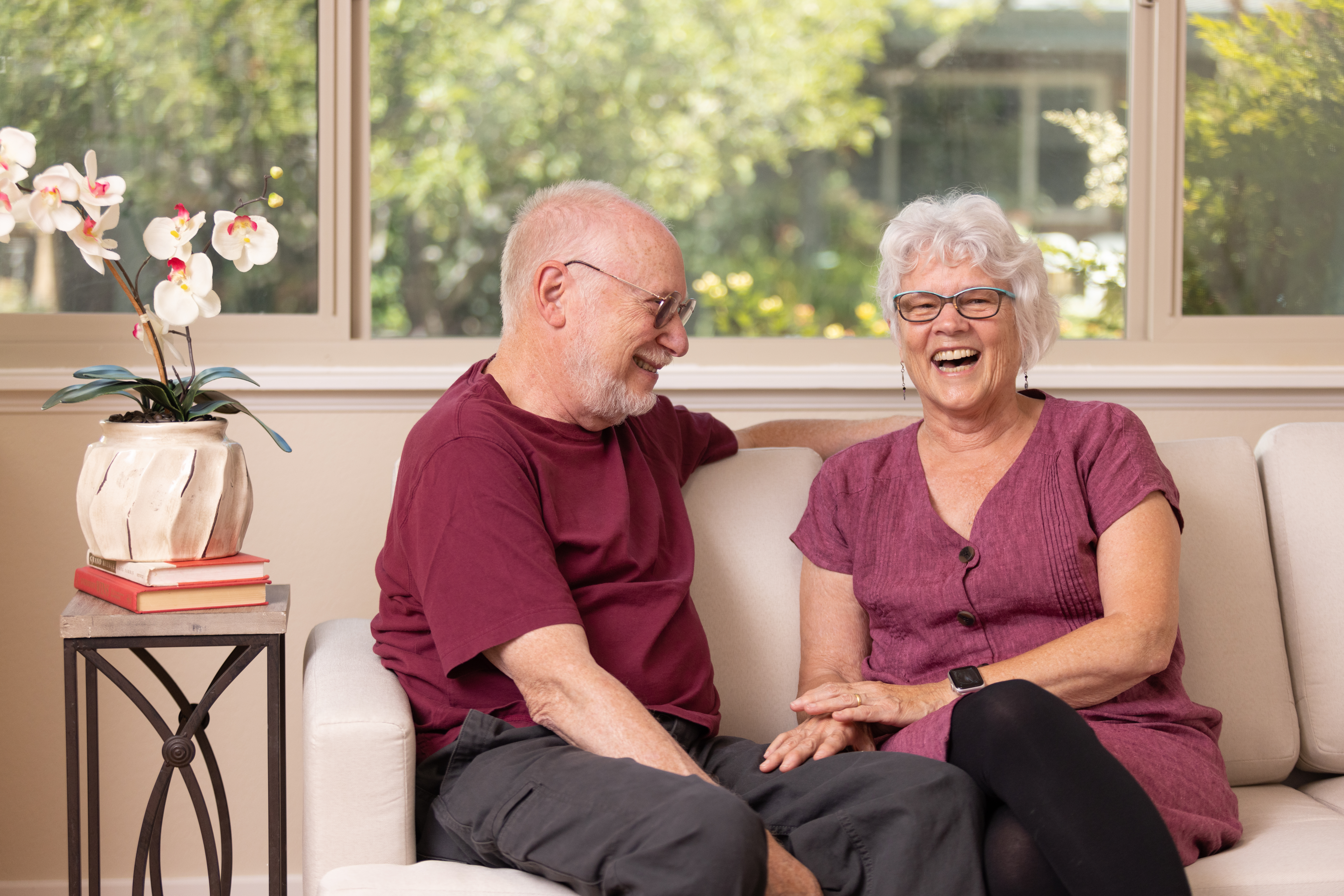
Close friendships may protect your heart just as much as regular exercise or a healthy diet. Senior living in Santa Rosa, CA, offers a health benefit that many people overlook—social wealth that helps keep your cardiovascular system strong. Older adults with social connections and healthy friendships tend to live longer than those with fewer close relationships.
Your heart thrives on connection. Choosing a senior living community isn’t just a housing decision—it’s an investment in cardiovascular health that could add years to your life and improve your overall well-being.
Loneliness and social isolation create the opposite effect, connecting to poor health, depression, and a higher risk of early death (Shartle et al, 2022). Your social life and physical health work together in ways that science continues to confirm. People with strong social connections face lower risks of high blood pressure and depression. Those who enjoy satisfying relationships feel happier, experience fewer health problems, and actually live longer. This evidence points to something important: the community environment in assisted living in Santa Rosa, CA, could be among the strongest ways to protect your heart health as you age.
What Is Social Wealth In Senior Living And Why Does It Matter For Heart Health?
Social wealth extends far beyond counting the number of friends you have—it encompasses the quality and depth of your relationships, alongside the strength of your community connections. Think of it as the invisible currency of collective well-being that exists outside financial portfolios.
Defining social wealth in senior living
Social wealth includes the bonds you share with others, your sense of community, and the support network that surrounds you. Financial wealth measures monetary assets, but social wealth measures something different—your ability to build and maintain meaningful connections with others. This covers everything from personal relationships to community engagement.
Why Is Loneliness Considered A Major Cardiovascular Risk Factor?
Many older adults feel lonely at some point; some experience intense or persistent loneliness. This widespread problem has concerned medical researchers as they discover the profound impact of loneliness on heart health.
Impact of loneliness on cortisol and blood pressure
Loneliness triggers your body’s stress response in ways that directly harm your cardiovascular system. When you feel lonely, your body activates stress pathways that control how you react to threats. This process increases cortisol production, your primary stress hormone.
Chronic loneliness keeps cortisol levels consistently high, creating several dangerous effects:
- Blood pressure readings that climb higher with age
- Increased resistance in blood vessels forces your heart to work harder
- Inflammation that damages the walls of your blood vessels
Photography by Tracy + David, www.tracydavid.com
Tracy Boulian and David Ahntholz
What are five ways community living boosts heart health?
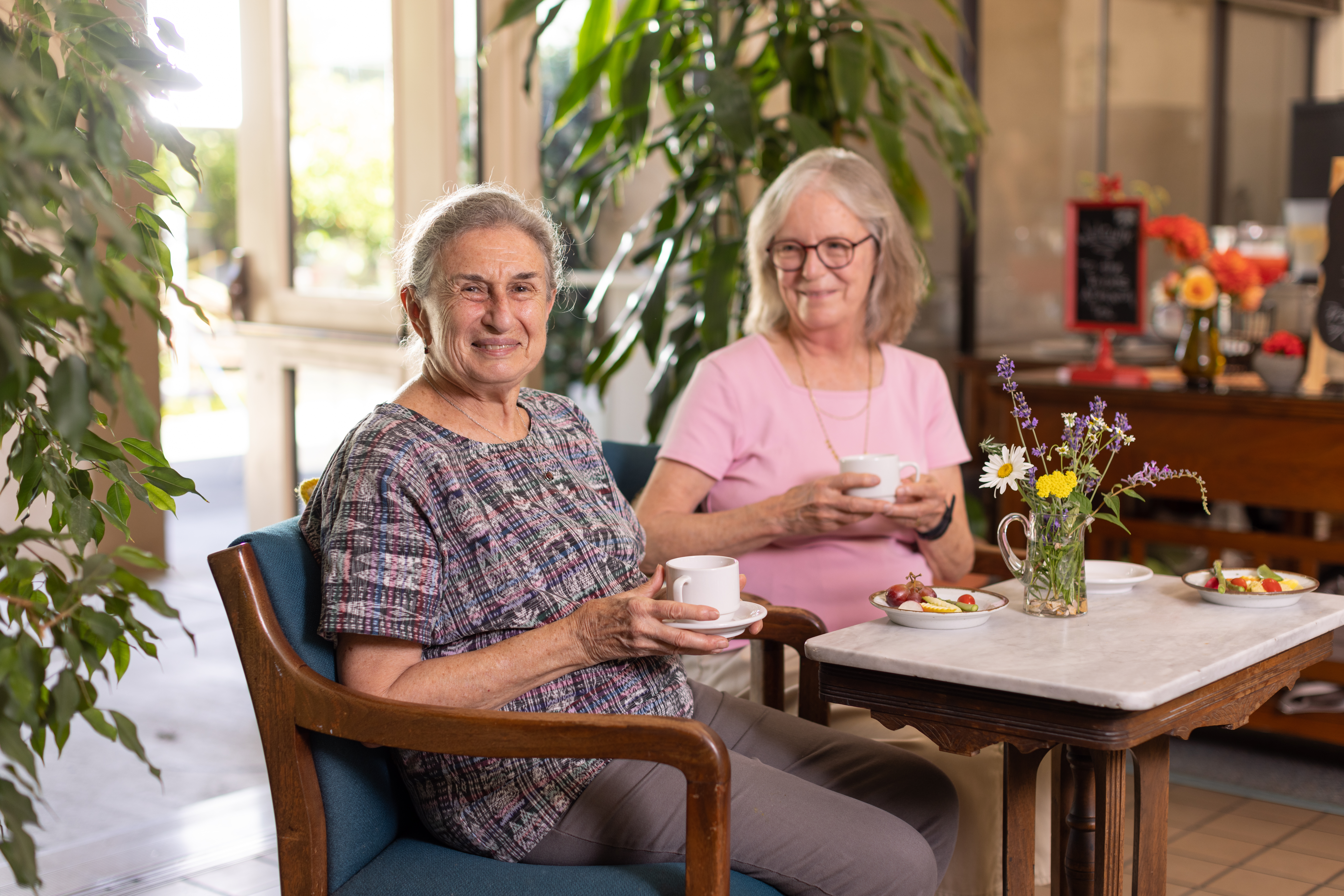
Community living protects your heart in five meaningful ways that go well beyond simply having people around. These benefits lead to tangible, measurable improvements in your cardiovascular health, making daily life more enjoyable and fulfilling.
- Reduces chronic stress through daily interaction
- Encourages physical activity via group programs
- Promotes emotional resilience and purpose
- Provides quick access to support during health events
- Builds routine and structure that supports heart rhythms
Meaningful Social Connections
Your heart thrives on connection. This article examined the interplay between social wealth and cardiovascular health, highlighting the value of senior living communities in promoting heart protection. Strong social connections act like a shield against heart disease, working just as well as exercise or proper nutrition.
Loneliness hurts your heart in measurable ways. Isolation raises heart disease risk and stroke risk. Loneliness triggers stress responses that increase cortisol levels and blood pressure, and it also promotes inflammation.
Senior living communities, such as Friends House in Santa Rosa, offer a practical solution to this health challenge. Instead of facing the cardiovascular risks of isolation, you gain a network of peers, structured activities, and thoughtfully designed spaces that encourage meaningful interactions. These communities understand that quality connections matter more than just being around others—they focus on building genuine relationships that provide mutual value and support.
Choosing a senior living community means more than finding a new home—it’s an investment in heart health. While medication and diet remain essential components of heart care, your social environment may be equally crucial for cardiovascular well-being. Call Friends House at (707) 573-4508 and schedule a tour to see firsthand how we foster love and friendship.
FAQs
Q1. How does social connection in senior living communities support heart health?
Strong social connections—often called social wealth—play a vital role in maintaining heart health. In senior living communities, regular interaction with peers helps lower stress hormones and increase oxytocin, a hormone linked to relaxation and emotional bonding. This daily sense of connection can provide meaningful cardiovascular benefits, similar to other healthy lifestyle habits.
Q2. Why is loneliness a serious risk factor for heart health in older adults?
Loneliness is closely linked to higher risks of heart disease and stroke. It can raise cortisol levels, increase blood pressure, and trigger chronic inflammation, all of which strain the cardiovascular system. Over time, prolonged isolation can be as damaging to heart health as well-known risk factors like smoking.
Q3. How does community living help seniors maintain a healthier heart?
Community living supports heart health in several ways, including reducing stress through social interaction, encouraging participation in group fitness activities, strengthening emotional resilience, providing faster access to health support, and creating daily routines that promote healthier heart rhythms and overall well-being.
Read Our Front Porch Blogs
Older Americans Month 2026: Championing Your Health at Front Porch
Investing in community: the story of David and Jane Kretzmann