June 9, 2026
The Ultimate Guide to Finding a Senior Living Community That Feels Like Home
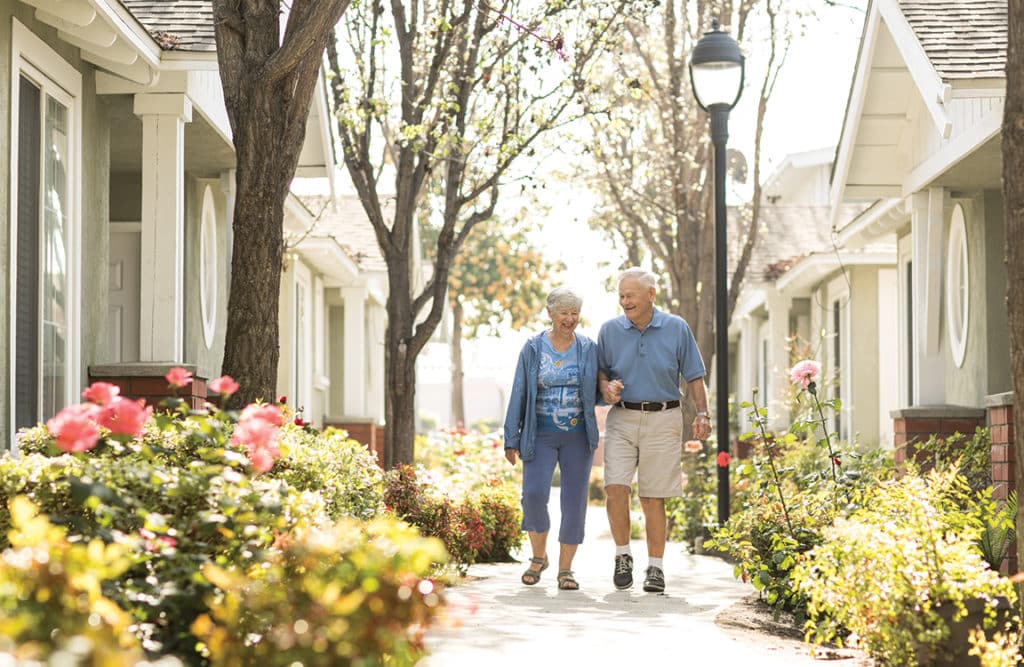
Choosing a senior living community in Claremont, CA, is rarely just a practical decision. Most people, when they look honestly at what they’re searching for, are really asking something far more personal: Where will daily life still feel like mine?
That question matters because senior living isn’t simply a housing choice. It’s a lifestyle decision, an emotional one, and sometimes even a question of identity. The right community should support not only your needs but also the way you want your days to feel from here forward.
Start by Thinking About Your Everyday Life
Before touring communities, take a moment to picture an ordinary day. Not a special occasion or a best-case scenario. Just a normal Tuesday.
What parts of your day feel easy right now? What parts feel heavier than they used to? What would you do with more time or more energy if you had it?
Those answers tend to reveal more than any checklist. Some people are looking for fewer responsibilities and more opportunities for genuine social connection. Others want support with daily routines while preserving as much independence as possible. Families exploring memory support often prioritize calm environments, familiar structure, and a steady, unhurried pace.
The goal isn’t finding the most impressive building. It’s finding a setting that supports the life you still want to live.
Why Claremont Feels Different
Claremont has a pace and atmosphere that people tend to notice almost immediately. Tree-lined streets, village cafes, college lectures, independent bookstores, mountain views in the distance, and neighbors who stop to talk rather than rush past. That environment shapes daily life in ways that are easy to take for granted until you’ve experienced them.
At Claremont Manor, residents remain connected to the intellectual and cultural energy that makes Claremont distinctive while also enjoying the comfort and support of a well-designed community.
What to Pay Attention to During a Visit
You will learn more from observation than from any brochure.
Notice how residents interact with one another and whether those interactions feel genuine. Pay attention to how staff members speak with residents, whether people seem relaxed and at ease, and how shared spaces are actually being used rather than how they’re staged for tours.
Spend time in the dining room if you can. Meals shape the rhythm of daily life more than most people anticipate. Watch whether people linger after eating or whether the atmosphere feels hurried. If the opportunity arises, speak with residents directly. Ask what surprised them after moving in. Ask what an ordinary day actually feels like. Their answers will often reveal more about a community’s true character than anything else.
Understanding Different Levels of Living and Support
Different communities are designed to support different stages of life, and understanding those distinctions matters when making this decision.
Independent living tends to appeal to those seeking fewer home responsibilities and more flexibility in how they spend their time. Assisted living and personal services can provide meaningful support with daily routines while keeping residents socially connected and engaged. Memory care neighborhoods, including Summer House at Claremont Manor, are designed around familiarity, comfort, and structured support for those experiencing memory changes.
What matters most across all of these options is finding an environment that feels supportive without feeling restrictive.
Preparing Emotionally for the Move
One of the most consistently overlooked aspects of this process is the emotional weight of the transition itself. Moving involves more than belongings. It involves memory, identity, and the disruption of routines that may have defined daily life for decades.
Giving yourself time to prepare gradually makes a meaningful difference. Sorting through cherished belongings, sharing keepsakes with family, deciding what truly needs to come with you, and arranging familiar furniture and personal items before move-in day can all help a new residence begin to feel personal rather than temporary. A favorite chair beside the window, photographs already on the wall, books placed where you would naturally reach for them: these details matter more than they might seem to.
The Feeling You’re Actually Looking For
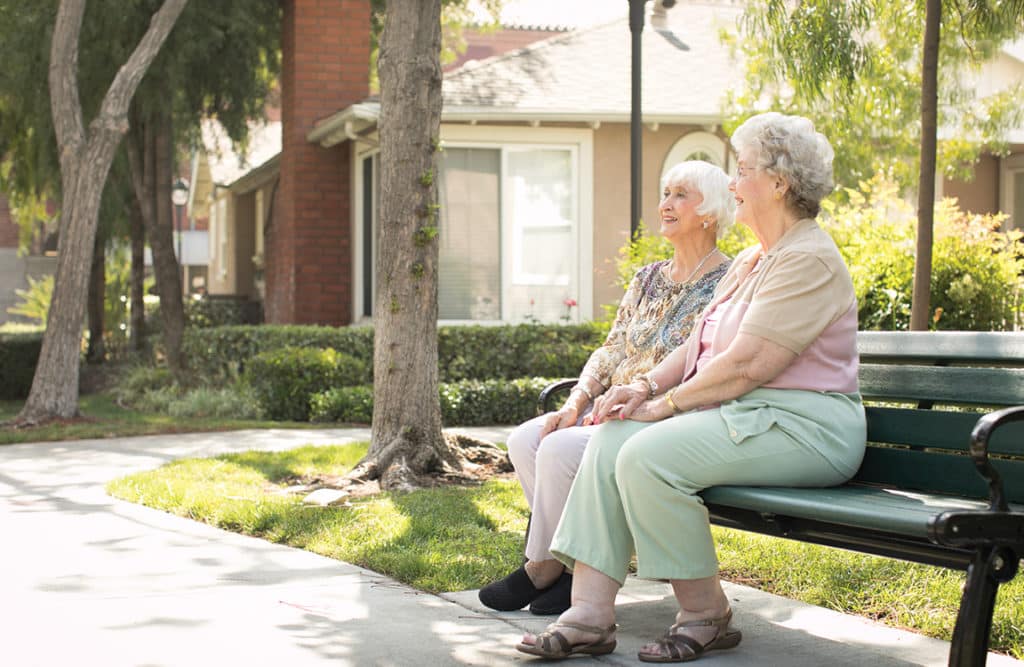
At the end of this process, the right community usually makes itself known in a straightforward way. You can picture your life there, and not just life there in the abstract, but life lived well. You can imagine your mornings, your routines, the conversations you might have, and the people you might come to know.
When that happens, the decision tends to feel less daunting and more like recognition.
Visit Claremont Manor, spend time in the shared spaces, and experience how daily life actually unfolds within the community. Contact us at (909) 626-1227 to schedule a visit.
FAQs
Q1. What should I think about before starting my search? Start with your daily life and how you want it to feel going forward. Consider the level of support you may want, the kind of lifestyle you value, and what would help you feel comfortable, connected, and genuinely independent day to day.
Q2. What should I pay attention to during a community visit? Observe how residents and staff interact with one another, how shared spaces feel in practice, and whether people seem relaxed and genuinely engaged. Time spent in the dining room and candid conversations with current residents offer some of the most honest insight into what daily life is actually like.
Q3. How do I know if a community feels like the right fit? The right community tends to feel natural rather than forced. You can picture your routines there, imagine building real relationships, and see yourself feeling comfortable not just on the day of the tour, but day after day going forward. It feels less like a facility and more like somewhere you could genuinely belong.
Read Our Front Porch Blogs

LPGA Hall of Famer Amy Alcott Named First-Ever Front Porch Ambassador
Older Americans Month 2026: Championing Your Health at Front Porch