June 30, 2026
Why Some Men Feel More Like Themselves After Moving to a Senior Living Community
For many men, the idea of moving to a senior living community in San Diego County comes with an assumption they rarely say out loud: this is the point where life gets smaller. Less independence. Less control. Less privacy.
But for many residents at Front Porch communities like Fredericka Manor, the experience often turns out to be the opposite.
What disappears first usually isn’t freedom. It’s the relentless maintenance of everything surrounding life. The house that once felt manageable now requires regular attention. Yard work takes longer than it used to. Driving across town for errands becomes more draining than enjoyable. Meals become another task to plan, prepare, and clean up after. And somewhere in the middle of all of it, the day is gone.
When Responsibility Stops Feeling Meaningful
There’s an important difference between responsibility that gives life purpose and responsibility that simply consumes energy without returning much in exchange.
Many older adults spent decades caring for families, building careers, maintaining homes, and showing up reliably for other people. Being capable mattered. Being dependable mattered. But there’s a point at which the nature of that responsibility shifts. The Saturday spent waiting for an appliance repair. The ongoing list of household projects that never quite empties. The afternoon that disappeared entirely into errands.
At communities like Fredericka Manor, residents often describe something unexpected after making the transition: they feel lighter. Not because they’re doing less, but because what fills their days has become more intentional again.
A slow morning with coffee. An afternoon spent on photography or woodworking. Dinner with people who understand your sense of humor and your history without needing either one explained. The shift is subtle at first. Then, gradually, it becomes difficult to imagine going back.
Independence Looks Different Than It Did at 45
One of the most persistent misconceptions about senior living is that independence means handling everything yourself. For many people, real independence eventually becomes something else: the freedom to choose how your energy gets spent.
At Fredericka Manor, residents maintain full control over their schedules, routines, and privacy. Some spend most of the day socially engaged. Others prefer quieter rhythms and more solitary pursuits. Both are equally respected. The difference is that daily life no longer revolves around obligations that have become physically exhausting or emotionally depleting. That distinction, understated as it sounds, changes everything about how the days feel.
The Social Side Happens Quietly
The social dimension of community living is often what surprises people most, and it rarely looks the way they expected. Not organized activities or scheduled events, but something more gradual and organic. Seeing the same faces at breakfast. A conversation that continues after an afternoon walk. Running into someone in the courtyard who, without any particular effort, becomes part of your daily routine.
For men especially, friendships later in life tend to form indirectly. Research supports what many residents experience firsthand: connection at this stage often happens through side-by-side activity and shared routine rather than through formal introductions or structured socializing. That rhythm tends to emerge naturally in community living, and it tends to stick.
There’s also something quietly valuable about being around people who understand this stage of life without needing it explained. People who have retired after long careers, raised families, managed homes, and navigated their own experiences of loss, change, and reinvention. That shared context creates a kind of ease that’s difficult to find elsewhere.
A Different Kind of Freedom
What many residents ultimately discover is that senior living doesn’t make life smaller. In many ways, it removes the things that had quietly been shrinking it already: the constant upkeep, the isolation that can settle into a large home over time, the low-grade exhaustion of managing everything alone.
What remains tends to be more meaningful. Conversation, creativity, volunteering, reading in the morning light, or simply ending the day without another task waiting in the background. At Fredericka Manor, the goal isn’t to take independence away. It’s to make daily life feel sustainable, connected, and genuinely enjoyable again.
If you’re beginning to explore senior living options in San Diego County, visiting in person tends to offer a clearer sense of what daily life actually feels like than any description can provide. Contact us at (619) 205-4115 to schedule a tour. Fredericka Manor welcomes families who want to experience the community firsthand and ask honest questions about what this next chapter could look like.
FAQs
Q1. Why do some men resist the idea of senior living communities? Many men associate independence with maintaining a home and managing responsibilities on their own terms. The hesitation is often less about the practical realities of moving and more about a deeper concern: the fear of losing identity, autonomy, or a sense of purpose.
Q2. Does moving to a senior living community mean giving up independence? Not necessarily. Many residents find that stepping away from the demands of home maintenance, meal preparation, and transportation actually gives them more meaningful freedom to focus on how they want to spend their time each day.
Q3. What kinds of social opportunities exist in independent living communities? Connection tends to happen naturally through shared meals, outdoor spaces, casual conversation, and common interests. Residents can engage as much or as little as suits them, while still maintaining the privacy and personal routines that matter most to them.
Read Our Front Porch Blogs
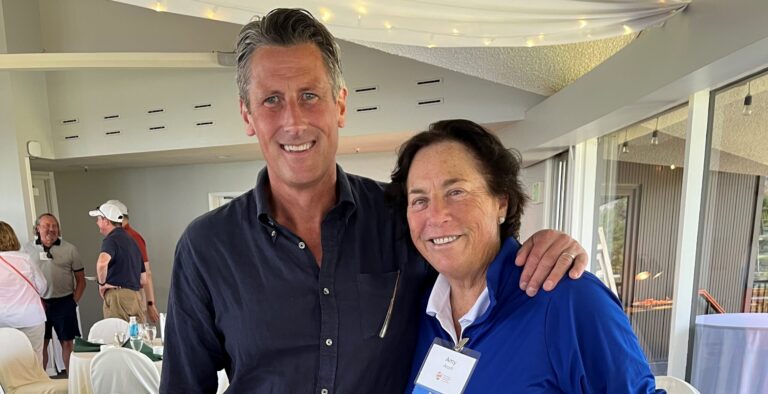
LPGA Hall of Famer Amy Alcott Named First-Ever Front Porch Ambassador

Older Americans Month 2026: Championing Your Health at Front Porch