July 8, 2025
Creating Connections: Music & Memory Care
Music opens doors to connection for families exploring dementia care in Orange County, CA. When words become harder to find, music creates pathways to reach loved ones living with memory changes. Songs from someone’s past can bring remarkable moments of recognition and joy. These familiar melodies carry deep meaning for older adults, each one connected to stories and feelings that reflect the rich chapters of their lives. Cherished music classics from a remarkable time in life build bridges to meaningful connection exactly when families need them most.
The Science Behind Music and Memory
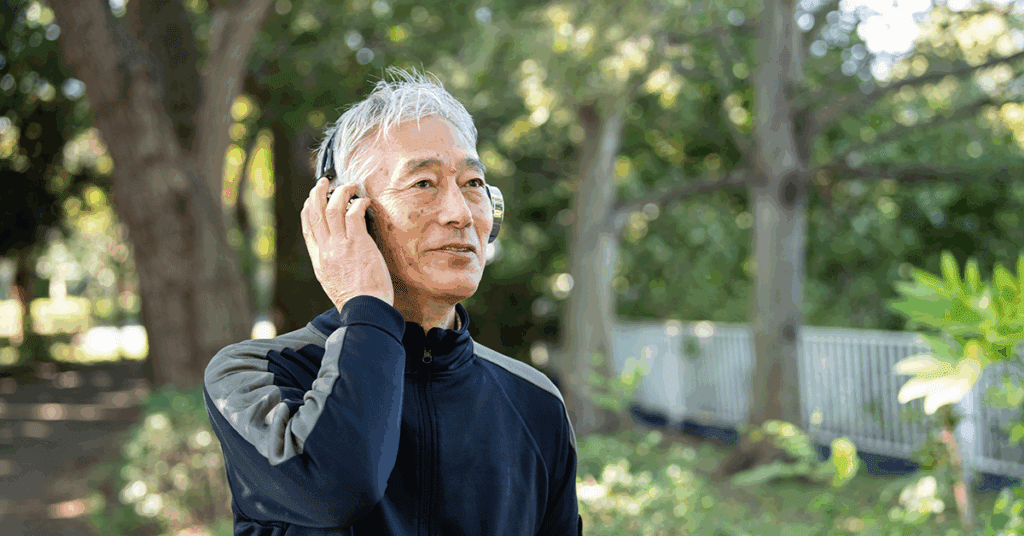
The reason melodies remain vivid even when other memories fade reveals something remarkable about how our minds work. Music activates some of the most extensive networks in the brain. This discovery helps explain why music therapy has become such a valuable part of dementia care in Orange County, CA.
How music activates the brain
A familiar tune creates activity throughout your brain in ways that might surprise you. Music doesn’t just engage the hearing centers near your ears—it triggers responses across multiple brain regions simultaneously. Music engages these key areas at once:
- The auditory cortex processes sound patterns and rhythms
- The limbic system (including the hippocampus) manages emotional responses
- The motor system activates before you even realize you’re tapping along
- The prefrontal cortex supports memory formation during musical experiences
Why familiar songs trigger memories
Have you ever heard a song and suddenly found yourself back in a specific moment from years ago? This happens because music works as a powerful trigger for personal memories. Music accompanies many significant life moments—weddings, graduations, family gatherings, even quiet everyday experiences. Specific songs often become linked to particular periods in our lives.
Emotional and behavioral responses in dementia care
For people receiving dementia care, music provides benefits that extend well beyond nostalgia. Familiar songs can create meaningful emotional responses in people with Alzheimer’s—even when they can’t recall what sparked those feelings. Music therapy addresses several aspects of dementia care:
- Reduces agitation – which affects more than half of people with dementia
- Decreases reliance on antipsychotic medications
- Supports verbal and language skills
- Improves mood and overall quality of life
Songs That Create Meaningful Connections
Certain melodies consistently spark recognition and emotional responses for families exploring memory care options. These classic songs often reach individuals with dementia when other forms of communication feel distant, creating precious moments of shared connection.
You Are My Sunshine
“One of the most commercially programmed numbers in American popular music”, this beloved song from 1939 holds special power in memory care settings. Its simple lyrics and gentle melody make it accessible across generations, equally meaningful for older adults experiencing memory loss and young children.
America the Beautiful
Patriotic melodies like “America the Beautiful” rank among the most recognized songs for older adults living with memory loss. Published in 1895, this classic often awakens strong emotional responses, particularly for those who witnessed significant historical moments. These patriotic songs tap into feelings of pride and belonging that remain vibrant despite memory challenges.
Take Me Out to the Ball Game
This 1908 baseball anthem connects listeners to cherished American traditions. The familiar chorus often prompts spontaneous singing and can unlock detailed memories about personal baseball experiences. Interestingly, the song’s composers had never attended a baseball game when they wrote it, yet they perfectly captured the spirit of America’s favorite pastime.
Canon in D
Johann Pachelbel’s composition features chord progressions found in many popular songs, creating an inherently pleasing and familiar sound. This melodic predictability offers comfort to those with dementia. The piece’s gentle, repetitive nature makes it ideal for relaxation and emotional release.
Somewhere Over the Rainbow
Judy Garland’s Academy Award-winning song from 1939 stands as “one of the most enduring standards of the 20th century”. Its hopeful lyrics and memorable melody consistently evoke emotional responses from older adults with memory challenges. The song’s themes of hope and possibility resonate across generations, fostering meaningful connections during music therapy sessions.

The Lasting Power of Musical Connections
Music offers families a meaningful way to connect with loved ones living with dementia. Melodies create pathways for communication and emotional connection, often reaching people when words cannot. Songs from formative years hold particular power, awakening recognition and joy that seemed beyond reach.
Contact us at (714) 507-7000 to learn more about Walnut Village, our memory care community called Summer House. Music therapy focuses on connection, not performance. Those moments when a familiar melody brings a smile or a spark of recognition are gifts for everyone involved. While dementia brings many changes, music continues to offer comfort, joy and a meaningful connection between past and present.
FAQs
Q1. How does music affect memory in individuals with dementia? Music has a powerful impact on memory, especially for those with dementia. It activates multiple brain regions simultaneously, including areas responsible for emotion and memory. Familiar songs can trigger autobiographical memories and emotional responses, even when other forms of communication become challenging.
Q2. What types of songs are most effective for memory care? Songs from a person’s youth, particularly those heard between the ages of 15 to 25, tend to be most effective. Classic tunes like “You Are My Sunshine,” patriotic songs such as “America the Beautiful,” and cultural anthems like “Take Me Out to the Ball Game” often evoke strong responses and memories in seniors with dementia.
Read Our Front Porch Blogs
LPGA Hall of Famer Amy Alcott Named First-Ever Front Porch Ambassador
Older Americans Month 2026: Championing Your Health at Front Porch