
November 14, 2025
Family Connections: Strengthening Bonds Through Community Living
The transition to a retirement community in Palo Alto, CA, when done thoughtfully, actually strengthens family bonds. Yet many families approach this decision with concern: “Will moving to a community mean seeing less of my parents?” The answer may surprise you: retirement communities often enhance family relationships by removing the logistical barriers that complicate connection.
This guide explores how thoughtfully designed communities create environments where family bonds genuinely flourish. Understanding this shift changes how families approach this important decision.
The Research on Family Connection and Health
Isolation increases risks of serious health complications, including cognitive decline, heart disease, depression and anxiety. Yet isolation isn’t just about location, but rather the quality and frequency of meaningful connection.
How Community Living Transforms Family Dynamics
When older adults live alone, family relationships often center on practical concerns: “Have you eaten well? Have you fallen? Are you managing medications?” These caregiving logistics consume conversation and energy, leaving little room for genuine connection.
Retirement communities shift this dynamic fundamentally. When residents have professional support, regular meals, housekeeping and companionship, family visits transform. Instead of managing crises or coordinating care, families focus on what matters most: shared time, meaningful conversation and authentic relationship.
The Caregiver Burden Disappears
Adult children often experience significant stress managing aging parents’ needs from a distance. Coordinating medication, arranging meals, handling home repairs, worrying about social isolation can be burdens that affect adult children’s own health and well-being. Community living eliminates this burden. Professional staff handle daily care and support. Adult children transition from caregiver to child. This shift enables love to flourish without added stress.
How Communities Design for Family Connection
Thoughtfully designed communities create multiple pathways for family engagement.
Dedicated Spaces for Family Gathering
Webster House features well-appointed apartment homes, engaging community spaces including an outdoor heated pool, a living room lounge with fireplace and a dining room. These spaces provide settings where families gather comfortably beyond a resident’s apartment.
Private dining rooms available for celebrations, comfortable lounges for conversation, outdoor courtyards for casual gatherings, and moreover these spaces signal that family visits are valued and accommodated.
Family-Inclusive Events and Programming
Communities organize events that welcome multi-generational participation: holiday celebrations, seasonal parties, themed dinners, summer picnics. These gatherings create shared experiences that families might otherwise lose after relocation. The key is that these aren’t segregated “senior activities.” They’re genuinely family events where generations gather around shared meals and celebrations.
Structured Intergenerational Activities
Many communities intentionally design for generational connection: family cooking days preparing traditional meals together, grandparent-grandchild game days, art projects and storytelling sessions that bridge age gaps. These interactions benefit everyone. Older adults stay mentally engaged teaching skills and sharing wisdom. Younger participants gain perspectives and life lessons. The relationships deepen.

Wellness Programming That Supports Family Bonds
Beyond social activities, wellness programming creates natural opportunities for family engagement.
Physical Activity Together
Group fitness challenges, walking clubs and wellness activities designed for multi-generational participation create opportunities for families to bond through shared physical goals. A daughter and mother attending yoga together, a grandfather and grandson walking the neighborhood are the kinds of activities that strengthen relationships while supporting health.
The shared commitment to wellness becomes something families pursue together rather than something residents do alone.
Shared Meals as Relationship Foundation
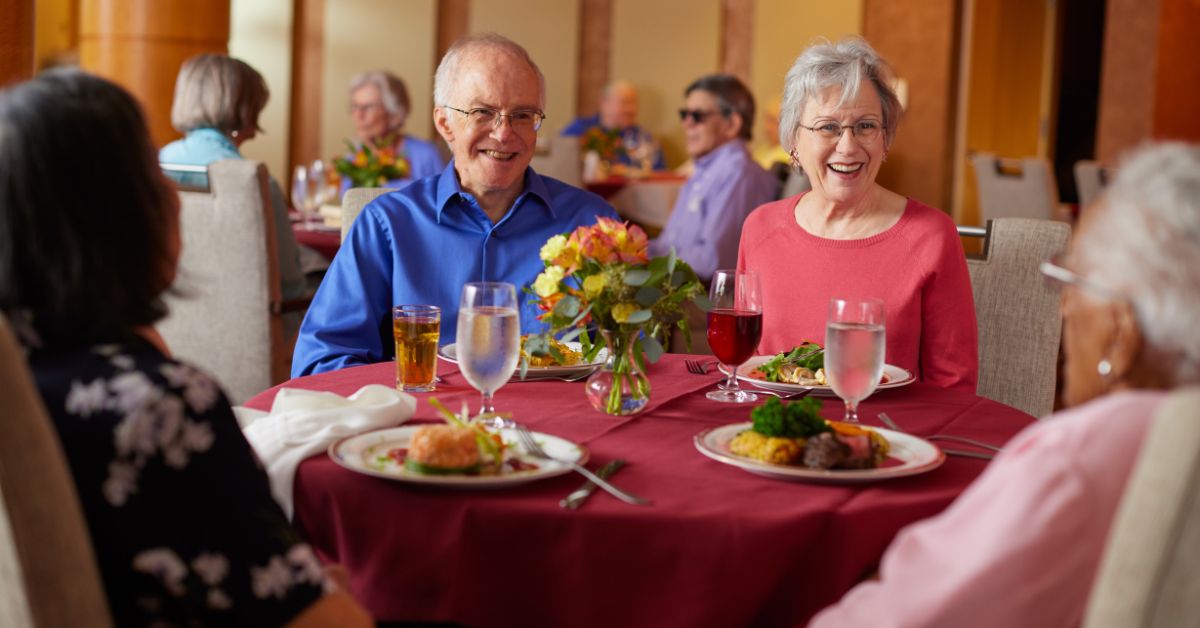
Communal dining serves as a cornerstone of family connection. Webster House offers a walkable Palo Alto location with restaurants, cafes and cultural experiences just steps away. But equally important, the community’s dining spaces welcome family members to join residents for meals. These shared meals do more than provide nutrition. They preserve traditions like weekly family dinners that might otherwise disappear. They create new rituals around gathered tables.
Emotional Support for the Entire Family
Communities increasingly recognize that transitions affect not just residents but entire family systems. Some offer caregiver support groups where adult children share experiences, reduce stress and gain resources. Family members connect with peers navigating similar transitions.
This support extends to residents, reducing isolation while improving emotional well-being.
Spiritual Support for Shared Reflection
Webster House maintains health services connected to Stanford University’s School of Medicine and supports spiritual wellness through pastoral care. Families can participate in religious services together, maintaining shared spiritual practices that matter to them.
Webster House as Family Hub
Webster House’s location in downtown Palo Alto creates distinctive family advantages. The walkable neighborhood provides easy access to restaurants, cafes, parks, libraries, galleries and theaters within walking distance. Stanford University is one mile away, presenting opportunities for engagement and exploration.
For families, this location means visiting doesn’t feel like leaving everyday life. You can meet your parent for coffee at a familiar café, walk together to a nearby park, attend a cultural event just blocks away. Visits feel integrated into normal community life rather than visits to “the facility.”
Additionally, Webster House’s boutique scale—intentionally smaller than many retirement communities—creates intimate atmosphere where staff know residents and their families personally. The community draws interesting, accomplished people with rich intellectual culture and progressive spirit. Family members often enjoy meeting their parents’ friends, discovering the intellectual and social community their parent has joined.
Creating Your Family Engagement Plan
Whether you’re considering retirement community for a loved one or already settled, these practices strengthen family bonds:
- Schedule Regular But Flexible Visits: Consistency matters. Regular visits allow family relationships to deepen. Yet flexibility is essential; some visits might be brief coffee in the café, others might be full days together. The variety prevents visits from feeling obligatory.
- Participate in Community Events Together: Attend celebrations, special dinners and entertainment events as a family. These shared community experiences create conversation points and memories.
- Invite Your Parent Into Your World: Help your parent access community cultural events, restaurants and attractions. The walkable location of communities like Webster House makes this natural.
- Communicate Openly: Maintain regular conversation with your parent about their experience, discussing what they enjoy, what could be improved, how they’re adjusting. This transparency strengthens trust and enables responsive support.
- Allow for Independence: Recognize that your parent’s community has become their home and they’ve built friendships there. Respect their autonomy and community relationships while remaining actively involved in their life.
Reframing Family Relationships
The transition to retirement community living is actually an opportunity to deepen family relationships. By removing logistical burdens and creating spaces where families naturally gather, communities like Webster House strengthen bonds rather than complicate them. Adult children who once worried about their aging parent’s well-being can instead focus on enjoying their company. Parents maintain independence while having professional support and built-in companionship. Families enjoy visits centered on connection rather than caregiving.
This is what healthy family involvement looks like in retirement: relationships based on genuine connection rather than necessity, supported by infrastructure that enables thriving for everyone involved.
To schedule your personalized tour at Webster House, call us at (650) 327-4333
FAQ
Q: Will moving to a retirement community mean seeing less of my parents?
Research and resident experience suggest the opposite. When caregiving logistics are removed, family visits often become more frequent and meaningful. Parents can easily participate in their own activities and social life, then enjoy visits focused on connection rather than crisis management. The community’s spaces accommodate family gatherings. Most adult children report that relationships with their parents actually improve after community relocation.
Q: How do retirement communities make family visits easier?
Communities intentionally designed for family engagement. Shared dining spaces welcome family members for meals. Private spaces accommodate celebrations. Programming includes family-inclusive events. Transportation services mean your parent can meet you off-site. Most importantly, the reduced caregiving burden means family members arrive ready to connect rather than exhausted from managing practical concerns.
Q: What’s the benefit of intergenerational activities?
Intergenerational activities strengthen relationships across age groups. Younger family members gain wisdom and perspective from older adults. Older adults stay mentally engaged by teaching skills and sharing knowledge. Shared activities like cooking together, games, or learning experiences create lasting memories and deeper bonds. These interactions benefit everyone involved emotionally and cognitively.
Q: How does community living reduce caregiver stress for adult children?
Professional staff handle medication management, meal preparation, housekeeping and daily support. Adult children shift from caregiving to companionship. The constant worry about safety, nutrition and isolation lifts. Most importantly, family visits can focus on genuine connection rather than managing practical crises. This transition allows relationships to flourish while reducing the stress that often damages family dynamics.
Q: Is Webster House right for strengthening family connections?
If you value location, walkability, community culture and family-inclusive environment, Webster House aligns with those priorities. The boutique-style community offers intimate and enriching experience with genuine connections flourishing. The downtown Palo Alto location means families can easily integrate visits into normal community life. We recommend visiting as a family and experiencing how the community supports your particular relationships.
Read Our Front Porch Blogs
LPGA Hall of Famer Amy Alcott Named First-Ever Front Porch Ambassador
Older Americans Month 2026: Championing Your Health at Front Porch