
December 19, 2025
Wellness and Independence: How Retirement Communities Enable Thriving
Strong relationships and comprehensive wellness support create a foundation for happy, healthy, independent senior living in Palo Alto. Research demonstrates that people with higher happiness levels experience stronger immune systems, lower inflammation and fewer chronic illnesses. Yet this wellness requires intentional design supporting physical, cognitive, emotional and social dimensions simultaneously. Quality retirement communities have evolved beyond basic housing into vibrant wellness ecosystems enabling older adults to maintain and even enhance independence while removing obstacles preventing engagement.
When daily maintenance burden disappears and structured wellness programming becomes accessible, residents redirect energy toward meaningful pursuits supporting genuine thriving.
Why Comprehensive Wellness Supports Independence
Independence means more than avoiding assistance—it means having choices, maintaining control and pursuing what matters most.
Wellness as Independence Foundation
Physical health, cognitive engagement, emotional resilience and social connection form an interdependent support system. When one dimension strengthens, others often follow. A resident engaging in fitness class (physical wellness) connects with friends (social wellness), experiences cognitive stimulation through group interaction and gains emotional resilience through accomplishment. This integrated approach differs fundamentally from addressing wellness dimensions in isolation. Quality communities intentionally design programming creating synergistic benefits across all wellness dimensions.
Independence as Psychological Need
Autonomy, or having control over choices and daily decisions, profoundly affects psychological well-being. Communities that enable residents to choose daily activities, maintain control over schedules and participate in decision-making preserve a sense of agency. This psychological independence matters as much as physical capability. Residents who feel autonomous experience better mental health, greater life satisfaction and more engagement with wellness programming.
Five Core Wellness Dimensions Supporting Independence
Quality communities intentionally address multiple interconnected dimensions of wellness.
Physical Wellness: Maintaining Functional Capacity
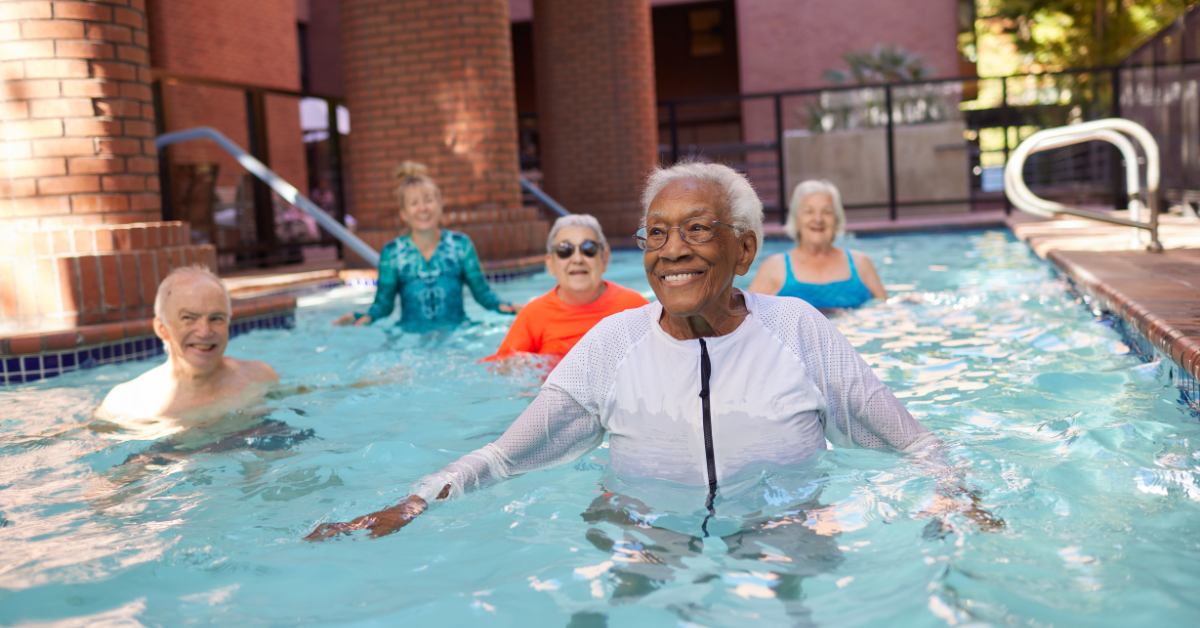
Regular exercise strengthens more than bodies—it revitalizes independence. Residents maintaining strength and flexibility can continue valued activities longer. Group fitness classes provide both physical benefit and social engagement. Webster House’s fitness programming combines professional instruction with a community atmosphere. Water aerobics, yoga, strength training and walking groups accommodate varying ability levels while building friendships through shared activity.
Equally important: on-site healthcare services eliminate transportation barriers. Regular wellness checks detect health issues early enabling timely intervention. Residents maintain independence longer when medical support remains accessible.
Cognitive Wellness: Continuing Mental Engagement
Cognitive stimulation through lifelong learning, creative pursuits and intellectual engagement preserves cognitive function while providing sense of purpose. Research demonstrates older adults maintaining intellectual engagement experience sharper minds and better quality of life. Webster House’s educational workshops, libraries, book clubs and cultural programming provide diverse cognitive stimulation pathways. Residents pursue learning around genuine interests rather than obligation.
Emotional Wellness: Processing Transitions With Resilience
Retirement involves genuine transitions requiring emotional processing. Creative expression through art therapy provides a powerful tool for emotional work. Research dating to the 1930s establishes art therapy’s effectiveness in improving cognitive function, fostering self-esteem, cultivating resilience and enhancing social skills. Quality communities create space for emotional expression and processing. Supportive community culture enables residents to navigate transitions like health changes, loss, or identity shifts with greater perspective and resilience.
Social Wellness: Building Belonging Through Connection
Isolation creates measurable health risks. Conversely, strong social connections support immune function, cardiovascular health and psychological well-being. Quality communities create natural pathways to friendship: shared meals, group activities, interest-based clubs and casual gathering spaces. Webster House’s boutique scale and downtown Palo Alto location facilitate authentic community. Residents encounter each other regularly, shared neighborhood interests create conversation opportunities, and intimate atmosphere enables family-like connection.
Spiritual Wellness: Grounding in Meaning
Connection to personal meaning, values and something larger than self supports emotional resilience and life satisfaction. Quality communities honor diverse spiritual practices, whether they encompass traditional faith, meditation, nature connection or philosophical exploration.
How Practical Support Enables Wellness Independence
Independence paradoxically expands when support systems handle what prevents engagement.
Housekeeping and Maintenance Removing Burden
When staff handle repairs, housekeeping, lawn care and seasonal maintenance, residents gain profound mental freedom. The cognitive load of managing property disappears. Attention becomes available for wellness pursuits. This relief proves particularly important for older adults. The freedom to focus without household burden enables fuller engagement with meaningful activities. Rather than exhausting themselves with yard work, residents have energy for fitness classes, social programs and creative pursuits.
Transportation Enabling Access
Transportation challenges often limit participation in healthcare, social programs and community engagement. Dedicated transportation services for medical appointments, grocery shopping and personal errands remove barriers preventing participation. Webster House’s transportation services enable residents to access downtown Palo Alto’s cultural venues, attend healthcare appointments without stress and participate in social programs without worrying about logistics.
On-Site Healthcare Creating Accessibility
On-site health clinics and wellness services eliminate travel burden while enabling early detection of health issues. Regular monitoring supports preventive care reducing costly hospital admissions. Professional staff connected to Stanford University’s medical system ensure quality healthcare accessible without transportation stress. This accessibility enables residents to maintain independence longer while having security knowing professional support remains immediately available.
Meal Services Supporting Nutrition
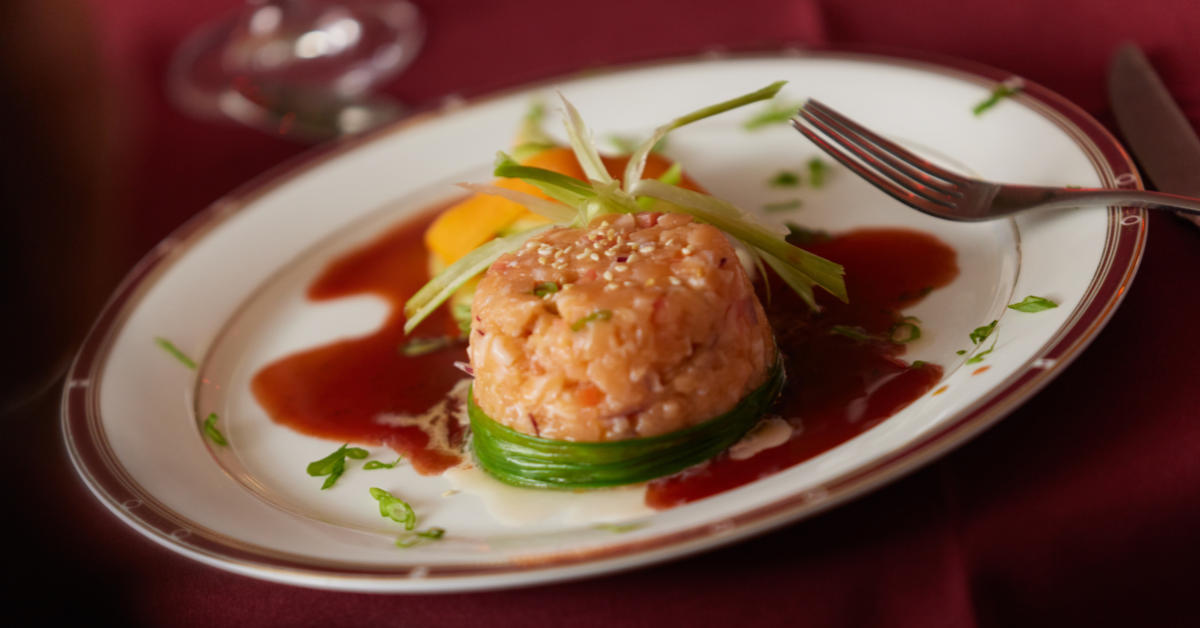
Chef-prepared dining with flexible timing and diverse menus ensures proper nutrition without requiring meal preparation. Regular communal dining creates daily social anchor while supporting physical health through proper nutrition. Webster House’s restaurant-style dining creates dining as a social experience rather than an obligation. Flexible timing honors resident preferences while providing nutritional support.
Webster House: Wellness and Independence in Downtown Palo Alto
Webster House exemplifies integrated wellness approach. Located in heart of downtown Palo Alto, residents enjoy:
- Immediate Neighborhood Access: Walking distance to cafés, cultural venues, parks and Stanford University enables continued neighborhood engagement supporting physical activity, intellectual stimulation and social connection.
- Boutique Community Atmosphere: Intimate scale enables genuine community culture. Residents describe family-like closeness rather than institutional setting. This authenticity supports emotional wellness and a sense of belonging.
- Continuum-of-Care Model: Webster House Health Center located “at the end of the block” enables residents to age in place while maintaining community connections. As needs change, care adjusts without relocation disrupting established relationships.
- Progressive Spirit and Intellectual Culture: Palo Alto’s intellectual environment attracts accomplished residents. Shared intellectual interests create rich conversation, cultural engagement and ongoing learning.
- Professional Wellness Programming: Fitness classes, creative workshops, educational programs and healthcare services create comprehensive wellness infrastructure supporting all wellness dimensions.
Building Your Wellness Vision
As you consider retirement, reflect on what wellness and independence mean to you:
- Physical vitality: What level of activity maintains your sense of strength and capability?
- Cognitive engagement: What learning or intellectual pursuits keep your mind sharp?
- Emotional health: What practices and support enable your resilience and peace?
- Social connection: What depth of friendship and community matters most?
- Spiritual grounding: What practices or beliefs support your sense of meaning?
- Practical freedom: What support would eliminate burden enabling fuller engagement?
Then evaluate communities through this comprehensive wellness lens. Look for programming addressing all wellness dimensions. Notice whether support systems enable engagement rather than create dependency. Experience whether community culture celebrates independence.
Most importantly, visit in person. Observe residents’ engagement and wellness. Ask whether residents feel their independence is enhanced rather than diminished.
Schedule your personalized tour at Webster House: (650) 327-4333
Frequently Asked Questions
Q: How do retirement communities use wellness programming to support independence?
Quality communities address multiple wellness dimensions simultaneously: physical health through fitness classes and healthcare services, cognitive engagement through lifelong learning and creative pursuits, emotional wellness through art therapy and supportive community, social wellness through group activities and shared meals, and spiritual wellness through diverse programming. The integration creates synergistic benefits where each wellness dimension strengthens others, enabling greater independence than any single dimension alone.
Q: What practical support systems actually enhance rather than diminish independence?
Communities that enhance independence provide support enabling residents to focus on valued pursuits rather than creating dependency. Housekeeping and maintenance handle the burden enabling focus on wellness. Transportation removes barriers to participation. On-site healthcare provides accessibility without dependency. Meal services support nutrition enabling engagement in activities. The key: support should eliminate obstacles enabling engagement, not create reliance on assistance.
Q: How does community wellness programming differ from individual wellness pursuit?
Community programming provides structure, accountability and social dimension amplifying benefits. Group fitness creates commitment and friendship alongside physical benefit. Shared meals provide nutrition and social connection simultaneously. Creative workshops enable expression while building relationships. Lifelong learning provides intellectual stimulation and peer connection. The social element transforms wellness from individual obligation into shared experience making engagement sustainable and meaningful.
Q: Why is emotional wellness support important for independence in retirement?
Retirement involves genuine transitions—identity changes, health challenges, loss. Emotional wellness support enables processing these transitions with resilience rather than depression or isolation. Communities providing space for emotional expression through creative outlets, support groups and therapeutic programming enable residents to maintain psychological well-being. Residents maintaining emotional health stay engaged with physical wellness and social connection more fully.
Q: Is Webster House right for someone prioritizing wellness and enhanced independence?
If you value comprehensive wellness addressing all dimensions, practical support eliminating obstacles, intellectual community and downtown walkability, Webster House aligns with those priorities. The boutique-style community creates a family-like atmosphere supporting emotional wellness. The continuum-of-care model enables aging in place, maintaining independence. The downtown Palo Alto location provides cultural and social access. Most importantly, residents consistently report experiencing enhanced independence alongside improved wellness. We invite you to experience how integrated wellness support transforms independence in your retirement chapter.
Read Our Front Porch Blogs
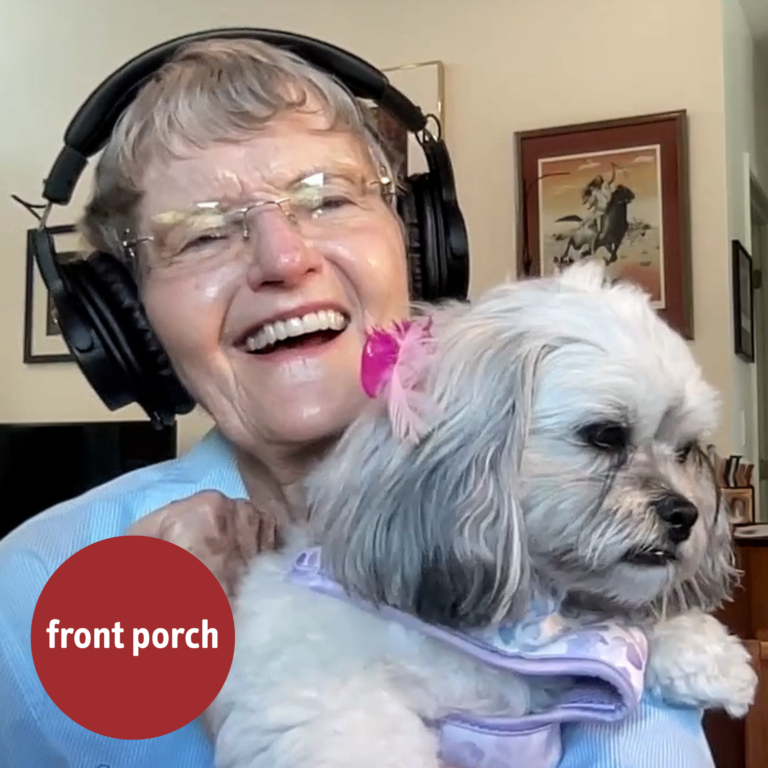
Front Porch Podcast – Episode 7: Commander Beth Coye: A Warrior for Equality

Front Porch Podcast – Episode 6: “It’s Not Just Housekeeping”: What Gives Work Meaning?