
November 25, 2025
Gratitude as Bridge: Building Lasting Bonds in Retirement Community

Gratitude does something remarkable in retirement homes in Palo Alto, CA settings. It transforms social dynamics fundamentally. When you practice consistent appreciation, you shift from anxious focus on personal concerns to genuine recognition of others. This simple shift creates pathways to meaningful friendship and authentic belonging. The research validates what residents experience: gratitude improves physical health, reduces stress, enhances emotional resilience and strengthens relationships. Yet beyond science, gratitude creates the emotional texture of thriving communities.
This guide explores how intentional appreciation practices become the foundation for lasting friendships and genuine belonging in retirement living.
Why Gratitude Matters Particularly in Community Settings
Moving to a new community can trigger anxiety. Unfamiliar faces, new routines, and concerns about fitting in are real and common anxieties. Gratitude addresses them directly.
The Neuroscience of Appreciation
When you express genuine appreciation, something shifts neurologically. The giver experiences an elevated mood. The receiver feels valued. Both experience stress reduction and improved emotional resilience. These benefits extend well beyond the initial interaction, creating positive feedback loops where people increasingly reach toward one another.
Gratitude literally rewires how we relate. Instead of noticing deficits or feeling defensive, we notice generosity. Instead of withdrawing, we connect.
Gratitude as Loneliness Antidote
Loneliness in community settings often stems from feeling unseen or unvalued. Gratitude addresses this directly. When you acknowledge someone’s kindness genuinely and specifically, you communicate: “I see you. Your actions matter. You matter to me.”
This recognition transforms casual acquaintances into meaningful relationships. The person who held the door becomes a friend. The neighbor who shared their newspaper becomes a confidant. The shift from transaction to connection happens through appreciation.
Building Emotional Resilience
Community transitions create stress. Challenges such as financial adjustments, unfamiliar routines, adjustment to shared living are real. Gratitude builds the emotional resilience essential for navigating change.
People who practice consistent appreciation experience reduced daily stress, improved emotional stability and greater resilience during transitions. This resilience becomes a protective factor allowing you to integrate into community life with confidence.
How Gratitude Transforms Casual Interaction Into Friendship
Meaningful friendships don’t emerge from proximity alone. They develop through consistent recognition and genuine appreciation.
Acknowledge Everyday Kindnesses
Small gestures deserve recognition. The neighbor who holds the door. The staff member who remembers how you like your coffee. The person who saves your spot in line or offers to share their newspaper.
Brief, genuine acknowledgments create positive cycles. When people feel truly seen and appreciated, they’re more likely to reach out again. Small kindnesses multiply. Casual interactions deepen into friendships.
The key: specificity matters. Instead of generic “thank you,” try “Thank you for saving my seat, I appreciated not having to rush.” This specific recognition demonstrates genuine attention and creates natural conversation starters.
Share Appreciation During Community Moments
Group activities, shared meals, and community events create perfect moments for expressing what you value about the experience or the people present. This approach serves multiple purposes: you build connections with specific people, you encourage others’ gratitude, and you reinforce community culture around appreciation.
A simple comment like “I really enjoyed our conversation over lunch” or “Thank you for making today’s activity so welcoming” opens doors to friendship that might otherwise remain closed.
Strengthen Bonds Through Handwritten Notes
A handwritten thank-you note communicates care beyond casual conversation. Include specific details about what mattered to you, how the person’s action affected your day and genuine interest in future connection.
These written expressions demonstrate that someone’s actions created lasting impact. They create keepsakes residents treasure. They open doors to deeper friendships. In an era of digital communication, handwritten notes carry special power.
Notice and Celebrate Individual Contributions
Pay attention to what people bring to community life. Comment on someone’s beautiful garden plot, their help during activities, their welcoming presence. These specific observations show that you see people as individuals. They create natural conversation starters and demonstrate that you value what makes each person unique. Recognition becomes a mirror. People see themselves through your appreciation and respond with greater openness and generosity.
Create Shared Gratitude Circles
Dedicated spaces for shared appreciation create powerful bonding. Gratitude circles, whether casual weekly gatherings or structured community programming, provide containers for expressing what people value about community and one another.
Research shows that gratitude circles create multiple benefits: participants experience community bonds strengthening, individuals feel valued, and the practice transforms individual appreciation into shared culture. Regular participation makes gratitude structural rather than incidental.
Webster House: A Community Designed for Connection
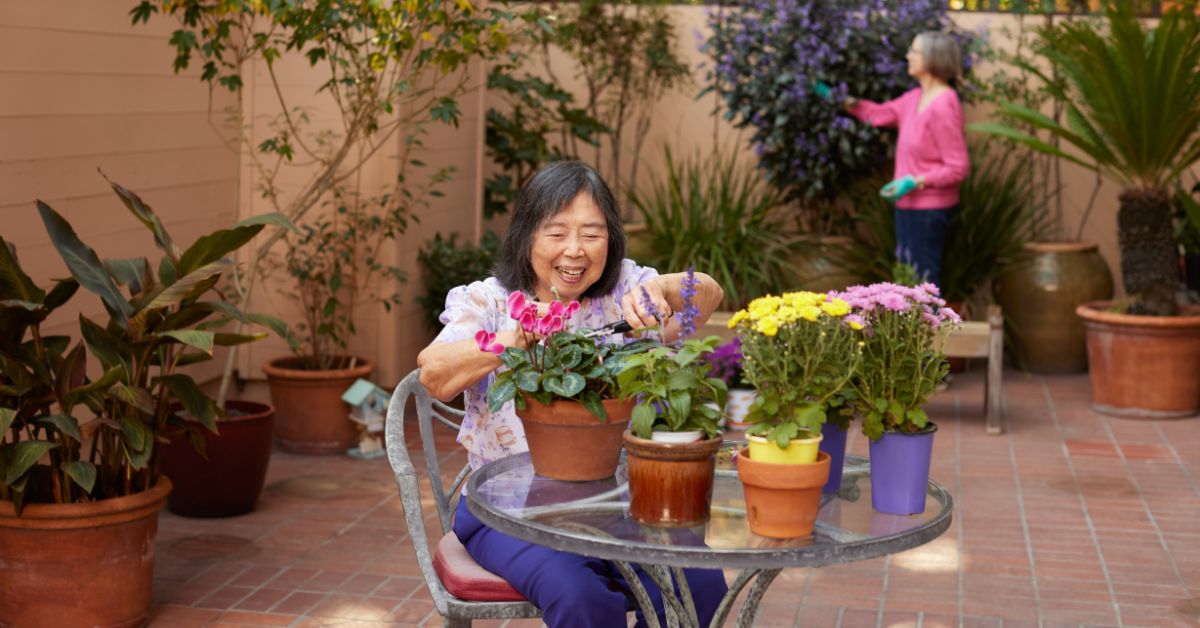
Webster House’s boutique-style community creates ideal conditions for gratitude-based relationships. The intimate scale means staff know residents personally. The downtown Palo Alto location means families and friends easily access the community for visits. The close-knit culture attracts interesting, accomplished people with shared values around connection and engagement. In this environment, gratitude practices flourish naturally. When new residents arrive with intentional appreciation practices, they integrate faster. When existing residents practice consistent recognition, the entire community culture shifts toward greater warmth and openness.
The community’s well-appointed spaces like dining rooms, lounges with fireplaces, or the outdoor heated pool provide natural gathering points where gratitude happens naturally over shared meals and activities.
Beginning Your Gratitude Practice
Whether you’re considering retirement community or recently arrived, these practices create immediate shifts in your experience:
- Start Small and Specific: Thank someone today for a concrete kindness. Notice the response. People appreciate specific recognition far more than generic thanks.
- Write One Note This Week: Choose someone such as a staff member, a neighbor, or an activity participant and write a brief handwritten note. Include specific details. Notice how it feels to express appreciation this way.
- Attend or Suggest a Gratitude Circle: Ask whether your community offers structured gratitude sharing. If not, suggest starting a casual weekly gathering. Even simple such as coffee and conversation focused on appreciation creates meaningful bonding.
- Practice Daily Noticing: Each evening, identify three specific things you appreciated that day. Not generic “good weather” but specific observations: “Sarah’s kindness when I forgot my keys,” “The way sunlight came through the dining room windows,” “The conversation with my neighbor about gardening.” This daily practice trains your attention toward appreciation, which naturally increases how often you express it to others.
- Share Your Practice: Tell people you’re practicing gratitude. Invite them to join you. When others understand you’re intentionally appreciating, they often reciprocate. Gratitude becomes contagious.
The Foundation of Community Belonging
Gratitude is fundamentally about recognition. It says: “I see you. Your actions matter. You belong here and your presence enriches my life.” In retirement communities, where residents are often navigating major transitions and potential loneliness, this recognition becomes transformative. Genuine appreciation breaks isolation. It creates the emotional foundation where lasting friendships flourish. The communities where residents thrive aren’t necessarily those with the most amenities but those where people genuinely see and appreciate one another. Where gratitude flows naturally. Where belonging is built on recognition.
Webster House provides this foundation. The community culture, boutique scale and intentional programming all support genuine connection. Your gratitude practices amplify what’s already present, accelerating integration and deepening friendships. Experience the community atmosphere where gratitude and recognition flourish naturally. Imagine beginning your retirement with authentic appreciation as your daily practice. Then take that first step.
Start today. Notice someone’s kindness. Express genuine appreciation. Watch what shifts in how you experience community.
To schedule your personalized tour at Webster House, call us at (650) 327-4333
FAQ
Q: What are the strongest health benefits of gratitude for seniors in retirement communities?
Research demonstrates measurable benefits: gratitude reduces stress levels significantly, lowers blood pressure, enhances sleep quality and boosts immune function. Emotionally, it increases life satisfaction and fosters a stronger sense of belonging. Perhaps most importantly, gratitude builds emotional resilience, or the capacity to navigate community transitions and challenges with greater stability and optimism.
Q: How do I express gratitude effectively in ways that actually build friendships?
Specificity matters tremendously. Instead of generic thanks, recognize particular actions: “Thank you for sitting with me during lunch, your company meant a lot.” Write handwritten notes including specific details about how someone’s kindness affected you. Share appreciation during group activities. Notice and comment on individuals’ contributions. These specific expressions demonstrate genuine attention and create natural conversation starters.
Q: How quickly does gratitude practice actually reduce loneliness?
Most residents report shifts within weeks of consistent practice. As you express appreciation, people naturally respond with greater warmth and openness. As you notice what you appreciate, you simultaneously become more aware of positive relationships already present. This dual shift—your increased appreciation and others’ increased responsiveness—creates measurable changes in how isolated you feel. Timelines vary, but consistency accelerates benefits.
Q: Can gratitude actually change community culture, not just individual friendships?
Yes, significantly. When multiple residents practice gratitude and appreciation becomes visible through notes, circles, or public acknowledgments, the entire emotional tone shifts. People become more generous toward one another. New residents feel welcomed. Potential conflicts decrease. Gratitude literally creates culture change. This is why communities that intentionally support gratitude practices experience measurably different resident satisfaction and retention.
Q: Is Webster House right for someone wanting to practice gratitude-based community building?
If you value genuine connection, boutique-style community and an environment where authenticity is encouraged, Webster House aligns with these priorities. The intimate scale means staff know residents personally. The downtown Palo Alto location creates easy access for visiting family and friends. The community culture attracts accomplished, engaged people. Gratitude practices naturally flourish in this environment. We recommend visiting and experiencing the community’s genuine warmth firsthand.
Read Our Front Porch Blogs
Investing in community: the story of David and Jane Kretzmann
Front Porch Podcast – Episode 8: Belonging: The Heart of Community—with Arthur Liggins & Candace Young-Schult