
June 26, 2026
Why More Active Older Adults Are Reconsidering Coastal Independent Living

For many longtime San Diego homeowners, coastal property once represented something close to an ideal: space to gather family, proximity to the ocean, and the deep satisfaction of building a life in one of California’s most desirable places to live — near a premier independent living community in San Diego, CA.
But priorities have a way of shifting quietly over time.
The home that once felt energizing can gradually become more demanding than rewarding. Insurance premiums continue climbing. Repairs require increasingly complex coordination. Travel becomes harder to enjoy fully when every trip carries a background hum of concern about property upkeep or deferred maintenance waiting back home.
As a result, more active older adults are beginning to ask a different and more revealing question: What if retirement felt lighter instead of more complicated?
That question is leading many people to explore independent living communities in San Diego — not out of necessity, but out of deliberate, informed choice.
The Hidden Weight of Homeownership
Owning property along the California coast carries realities that extend well beyond the mortgage statement.
Maintenance responsibilities accumulate year after year: exterior repairs, landscaping, plumbing issues, appliance replacements, rising insurance costs, and ongoing property taxes. Even for financially comfortable homeowners, the cumulative mental load of managing all of it can become surprisingly significant — and surprisingly exhausting.
For some older adults, the concern isn’t primarily financial. It’s a matter of energy and attention. Time once devoted to coordinating repairs or managing a large property starts to feel less meaningful than time spent traveling, pursuing long-neglected interests, staying physically active, or simply moving through daily life without a persistent maintenance obligation in the background.
That shift tends to happen gradually rather than all at once. A home can still be beautiful, deeply loved, and full of irreplaceable memories while no longer aligning with the lifestyle someone genuinely wants going forward. Recognizing that distinction is often where the real decision begins.
Why Independent Living Appeals to Active Seniors
Independent living communities have evolved considerably over the past decade, and many active older adults are genuinely surprised by what they find when they look seriously at today’s options. The outdated image of senior living as a place defined by limitation has given way to something quite different.
Many of today’s independent living environments are designed around flexibility, connection, and ease rather than restriction. Residents commonly value the combination of maintenance-free living, walkable campuses, meaningful opportunities for social connection, wellness-focused programming, restaurant-style dining, fitness facilities, and lifelong learning opportunities — alongside the freedom to travel without a second thought about what’s happening back home.
The appeal, for most people, has less to do with “downsizing” in the diminishing sense of that word and far more to do with simplifying daily responsibilities in order to create genuine space for the experiences that feel most meaningful. For people who have spent decades managing careers, properties, and family logistics simultaneously, that simplification can feel unexpectedly liberating.
Connection Matters More Than Many People Anticipate
One of the most consistent surprises for new residents is how profoundly daily social connection shapes overall well-being.
Living independently in a private home can become quietly isolating over time, particularly after retirement, the loss of a spouse, or the gradual erosion of long-standing social routines. The structure that once filled the week with interaction simply isn’t there anymore, and it can be difficult to replace organically.
Independent living communities create consistent, low-effort opportunities for spontaneous interaction: conversations over morning coffee, shared meals with neighbors, group outings, fitness classes, lectures, cultural events, and the informal relationships that develop simply from sharing common spaces with the same people over time. These moments may seem individually small, but together they establish a rhythm and a sense of belonging that becomes genuinely sustaining.
Research continues to affirm what many residents discover firsthand: strong social connections play a measurable and significant role in emotional and cognitive well-being as people age (Joshi et al., 2024). For many older adults, that sense of community ultimately becomes as valuable as any practical convenience the lifestyle provides.
The Transition Is Often More Emotional Than Practical
Moving from a longtime home into independent living is rarely a purely logistical undertaking.
Homes hold decades of memories, deeply embedded routines, and a significant layer of personal identity. Even when someone feels genuinely ready for change, the process of leaving can still carry unexpected emotional weight. That complexity deserves acknowledgment rather than minimization.
It’s why many families now work with senior move specialists who help organize the downsizing process, coordinate timelines across multiple moving parts, and reduce the stress that so often accompanies major life transitions. Having experienced support through that process can transform what might otherwise feel overwhelming into something manageable and even meaningful.
Most residents describe an initial period of adjustment as new routines and relationships gradually take shape. Over time, however, many also find that releasing the accumulated responsibilities of homeownership creates room for a kind of flexibility and peace of mind they hadn’t fully anticipated. The experience, more often than not, feels less like giving something up and more like deciding, consciously and clearly, what deserves the most of your time and attention from here on.
Supporting the Lifestyle You Actually Want
For many active San Diego seniors, the conversation around retirement living is fundamentally changing. The question is no longer simply whether to remain in a longtime home. It’s whether homeownership still genuinely supports the lifestyle someone wants most in this chapter of life.
Independent living communities in San Diego offer a compelling alternative centered on flexibility, authentic connection, and freedom from the ongoing demands of property management. For older adults who want more time for travel, meaningful relationships, personal wellness, and daily experiences that feel purposeful, the shift to independent living can feel less like downsizing and more like realignment — a deliberate choice to live more fully in the time that remains.
If you’re ready to explore a lifestyle built around ease, connection, and possibility, discover what life at Wesley Palms can look like. Schedule a personal tour today by calling (858) 274-4110.
Frequently Asked Questions
Q1. What is independent living? Independent living communities are designed for seniors who want to maintain an active, self-directed lifestyle while significantly reducing the responsibilities associated with homeownership. Communities typically offer private residences alongside shared amenities, dining options, and a rich range of social opportunities — all within an environment designed to support independence rather than limit it.
Q2. What are the benefits of maintenance-free living? Maintenance-free living eliminates responsibilities like landscaping, exterior repairs, appliance upkeep, and the general overhead of managing a property. Most residents find that reclaiming that time and mental energy allows them to invest far more meaningfully in travel, hobbies, family relationships, and personal wellness.
Q3. How difficult is the transition from a longtime home? The experience varies considerably from person to person, and it’s worth approaching honestly. While the transition can carry real emotional complexity, many families find that planning thoughtfully, downsizing gradually, and engaging experienced move specialists makes the process considerably more manageable. Most residents describe the adjustment period as finite — and the sense of ease and connection that follows as well worth it.
Read Our Front Porch Blogs
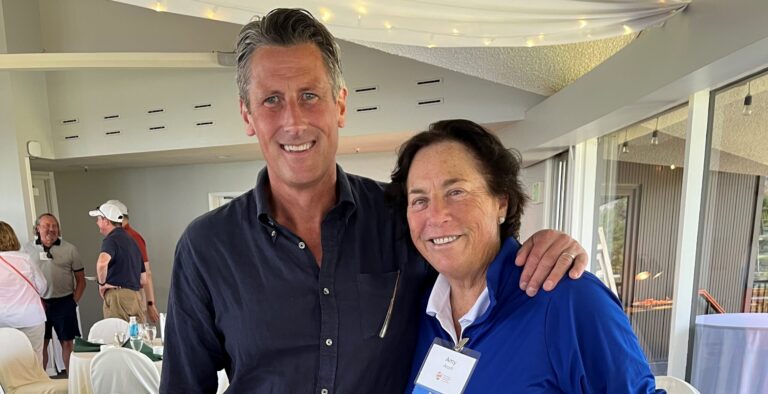
LPGA Hall of Famer Amy Alcott Named First-Ever Front Porch Ambassador

Older Americans Month 2026: Championing Your Health at Front Porch