
July 20, 2025
Beyond Photos: Seniors Share Family Roots
Sharing personal stories offers older adults real benefits that go beyond passing down family history. These conversations create positive impacts across emotional, mental and social areas of life.
When older adults tell their life stories, they often feel more confident about their experiences and identity. Storytelling helps seniors recognize the value in their life journey, especially as we age. Reflecting on accomplishments and challenges can boost self-worth and validate the importance of one’s experiences. Sharing personal stories also provides an emotional outlet. Many older adults find that expressing their emotions and processing past experiences in senior care in Cupertino, CA, leads to healing. Revisiting cherished memories helps affirm meaning and can reduce feelings of depression.

Creative Ways to Preserve Memories
Writing journals or memory books
Memory journals offer a straightforward way to document experiences. These books contain guided questions that spark recollections about childhood, life events and personal values. The structure helps organize thoughts without facing a blank page. Memory books serve multiple purposes—they provide cognitive stimulation and become therapeutic tools for processing life events. For individuals experiencing memory challenges, these books reinforce identity and create connections with loved ones.
Recording audio or video stories
Speaking often comes more naturally than writing. Audio or video recordings capture not just story content but also voice, expressions and emotions—elements that bring memories to life. Consider these approaches:
- Set up regular recording sessions in quiet, comfortable spaces
- Prepare open-ended questions that invite detailed responses
- Allow natural pauses during conversations •
- Start with broad topics before exploring specific memories
Services like StoryCorps provide resources for recording meaningful conversations between older adults and loved ones, preserving these records for future generations.
Organizing and labeling photographs
Photographs contain powerful memory triggers but often remain buried in boxes without context. Creating a sorting system helps organize photos methodically—by person, event, decade or location. When labeling photos, include names, dates, locations and brief stories about each image. This creates a coherent visual history that family members can understand and appreciate.
Digitizing keepsakes and documents
Important documents and keepsakes can be digitized for preservation. This involves scanning letters, certificates, artwork and other meaningful items. Professional digitization services offer specialized equipment for handling delicate materials, producing high-quality digital versions without damaging originals. These services include organization options and secure storage solutions. DIY approaches using smartphone apps can also work well for budget-conscious families.
Family Members Join the Storytelling Process
Family storytelling grows richer when multiple generations participate together. Memory-sharing becomes a collaborative activity that strengthens family bonds while ensuring stories continue through those who matter most.
Host family storytelling gatherings
Regular memory-sharing sessions create meaningful opportunities for connection. Set aside one evening monthly for “story hour” at the community. Create a comfortable space with minimal distractions where everyone feels safe sharing. Take turns as storytellers and listeners so all family members participate in this exchange.
Use prompts to spark memories
Even talkative older adults sometimes need help recalling specific memories. Thoughtful questions unlock forgotten stories:
- “What was your favorite holiday memory growing up?”
- “Tell me about the first place you lived after leaving home.”
- “What games did you play as a child that children don’t play anymore?”
- “Who taught you to drive? What was that experience like?”
Open-ended questions reveal detailed narratives rather than simple yes-or-no responses.
Build a family tree together
Creating family trees provides structure for storytelling while preserving historical information. Start with simple charts listing parents, grandparents and great-grandparents. Search for birth certificates, marriage records and documents that provide names and dates. Interview relatives about family members, documenting not just when and where they lived, but their personalities and stories.
Cook traditional recipes together
Family recipes serve as memory triggers that transport older adults back to meaningful moments. Cooking together creates natural opportunities for storytelling—recipes often hold memories of special gatherings, cultural traditions or beloved relatives. Have older adults demonstrate cooking techniques while explaining the history behind cherished family dishes. Record these cooking sessions to capture both recipes and stories.
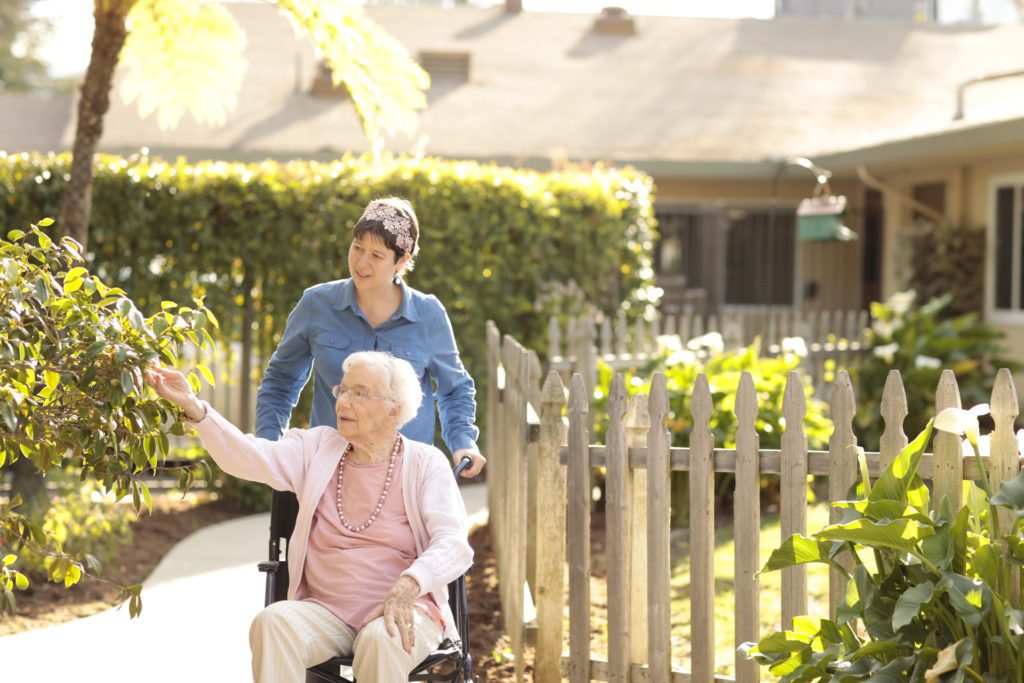
Creating Meaningful Legacies Beyond Photos
Writing letters with life lessons
Legacy letters (also called “ethical wills”) offer a meaningful way to share wisdom with loved ones. Unlike legal wills that distribute assets, these heartfelt messages convey values, beliefs and life lessons. Consider including:
- Personal reflections on what matters most in life
- Hopes and dreams for family members’ futures
- Expressions of gratitude toward important people • Apologies or words of forgiveness if needed
Pairing heirlooms with their stories
Physical objects gain tremendous meaning when paired with their histories. That antique watch or handmade quilt becomes a treasure when the family knows its origin story. Document each heirloom’s background—who owned it first, where it came from and why it matters. This documentation transforms ordinary items into powerful symbols of family identity.
Preserving Stories Creates Lasting Connections
Stories connect generations, linking family members through shared experiences and wisdom. We now know how storytelling benefits older adults emotionally and cognitively while creating family treasures that last beyond our lifetimes. Consider starting your family storytelling journey today. Pick one preservation method that appeals to you and take that first step. Future generations will thank you for capturing these irreplaceable memories. Contact us at (408) 454-5600 to schedule a tour of our independent living, Sunny View.
FAQs
Q1. What are some creative ways for seniors to preserve their memories?
Seniors can preserve memories by writing journals or memory books, recording audio or video stories, organizing and labeling old photographs and digitizing important keepsakes and documents. These methods help capture their life stories in various formats for future generations.
Q2. How can families involve seniors in the storytelling process?
Families can host regular storytelling nights, use prompts and games to spark memories, create family trees together and cook traditional recipes while sharing the stories behind them. These activities encourage intergenerational bonding and help preserve family history.
Read Our Front Porch Blogs

Front Porch in the Media: media highlights and news roundup from June-July 2026
Extending the legacy: the impact of scholarships