

November 21, 2025
Emotional Wellness in Independent Living: Recognizing Mood Changes In Seniors

More than half of older adults live with two or more chronic health conditions. These physical challenges often carry emotional weight. Yet recognizing mood concerns early, in yourself or a loved one, opens pathways to meaningful support that transforms daily life.
This guide from a retirement community in Cupertino, CA, explores the warning signs of mood challenges and explains how thoughtfully designed communities create the conditions where emotional wellness naturally flourishes. Understanding these connections helps you make intentional choices about retirement living.
Recognizing Early Warning Signs
Many adults aged 55 and older experience mood concerns, yet only a fraction receive treatment. Early recognition matters. The signs are often subtle at first, but consistent patterns warrant attention.
- Loss of Interest in Meaningful Activities: A noticeable drop in enthusiasm for hobbies, family gatherings or even favorite television shows often signals deeper emotional shifts. When someone previously engaged suddenly withdraws from what brought them joy, it warrants gentle exploration and support.
- Changes in Sleep and Appetite: Sleep disturbances and appetite changes frequently accompany mood concerns in older adults. Depression in seniors often manifests differently than in younger adults with symptoms like more profound fatigue, greater sleep disruption, reduced energy despite adequate rest.
- Neglect of Self-Care: Self-neglect patterns reveal emotional struggle. Watch for unwillingness to maintain home cleanliness, skipped meals, missed medications or avoidance of medical appointments. These practical lapses often reflect deeper emotional withdrawal.
- Irritability or Social Withdrawal: Older adults frequently express depression as irritability rather than sadness. Emotional wellness concerns can be signaled by increased frustration with limitations, preoccupation with physical concerns or signs of social withdrawal, such as avoiding friends, not answering phone calls, or making excuses to prevent visits.
These signs matter. Persistent changes over 2-3 weeks warrant professional conversation with a doctor or mental health professional.
How Independent Living Addresses Emotional Wellness
Thoughtfully designed retirement communities do more than provide housing. They create comprehensive support systems addressing both practical and emotional dimensions of well-being.
- Freedom From Home Maintenance Stress: The stress of home ownership accumulates silently. The burdens of lawn care, repairs, property maintenance, and financial worries about unexpected costs consume energy and attention. At Sunny View, residents gain immediate relief. Professionals handle maintenance, opening time and mental space for activities that genuinely bring joy. This freedom matters emotionally. When basic upkeep is handled, anxiety diminishes.
- Comprehensive Wellness Programming: Physical activity directly impacts mood and cognitive health. Sunny View’s fitness center features senior-friendly exercise classes designed for varying mobility levels: strength training for mobility and fall prevention, low-impact aerobics for cardiovascular health, chair yoga for flexibility, and tai chi for balance and mind-body connection. These programs serve dual purposes. They improve physical capability while creating natural social bonds. Exercise classes become social gathering places where residents build friendships around shared activity.
- Lifelong Learning and Creative Engagement: Research demonstrates that regular creative activities improve immune function and positively impact depression and anxiety. Engaging in hobbies triggers dopamine release, which is your brain’s pleasure and satisfaction neurotransmitter. At Sunny View, residents access an arts studio, hobby room, computer lab and structured learning opportunities. Learning new skills at any age helps older brains form neural connections that boost cognitive function. This intellectual engagement alongside creative pursuits becomes powerful protection against mood decline.
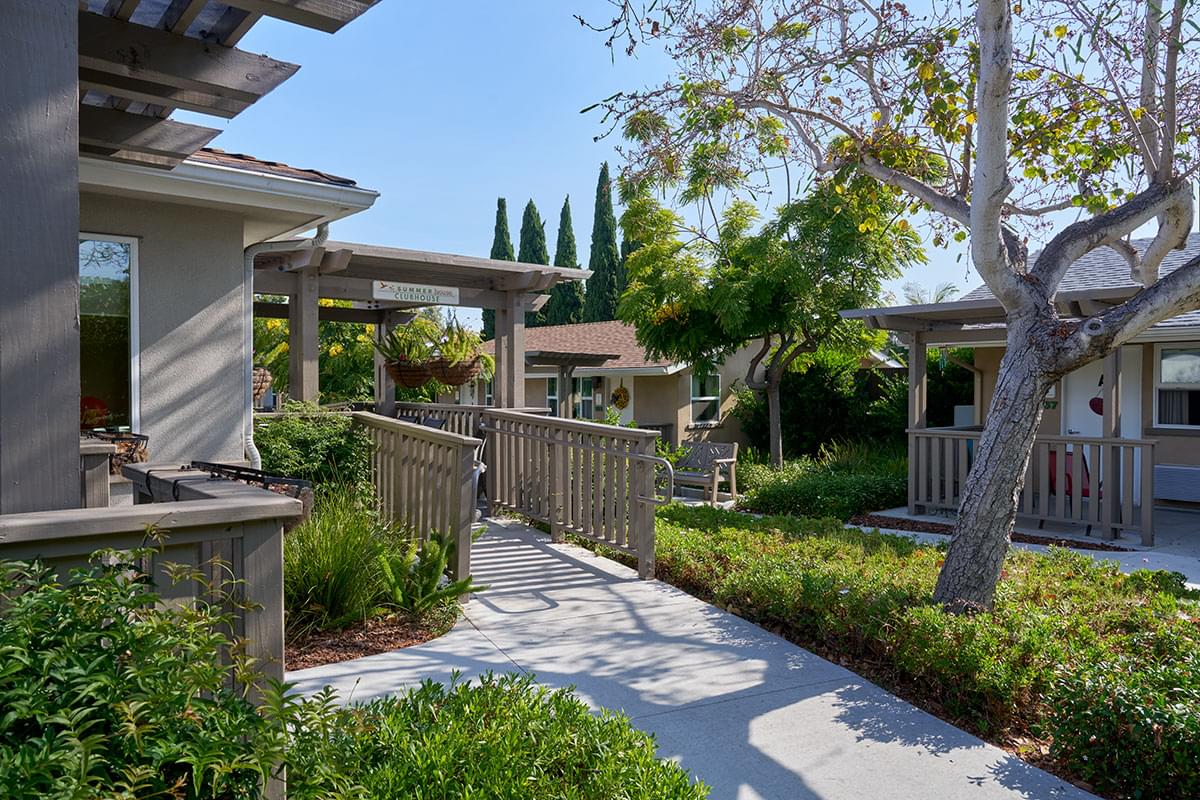
- Intentional Balance of Privacy and Connection: The best retirement communities excel at honoring both solitude and companionship. Sunny View’s 12-acre campus nestled in Cupertino’s foothills provides private living spaces where you maintain independence and control, alongside beautifully designed common areas that encourage connection when you choose it. This balance matters profoundly. You’re never forced into social participation, yet connection is always available. This optionality reduces anxiety while making genuine engagement more likely.
- Professional Staff Who Know You: Staff matter enormously. At Sunny View, residents consistently describe a true bond between themselves and staff. Nursing, care, dining, front desk and maintenance teams know residents as individuals. This personal attention creates psychological safety, the foundation where people open up about emotional concerns and feel genuinely cared for.

Why Emotional Wellness Matters in Community Settings
The connection between social engagement and emotional health is well established. Loneliness and isolation are significant risk factors for depression, cognitive decline and premature mortality. Communities that intentionally address emotional wellness see measurable differences in resident outcomes.
- Community Creates Natural Support Systems: When mood challenges emerge, community presence matters. Residents notice when a neighbor hasn’t attended meals. Staff recognizes behavioral changes. Activity coordinators understand individual preferences and can gently encourage participation. This informal monitoring combined with professional support creates a safety net.
- Shared Experience Reduces Stigma: In community settings, others navigate similar challenges. This normalization and realizing you’re not alone in mood struggles encourages people to seek support rather than isolate. Residents often become supportive of one another, creating genuine compassion.
- Daily Structure Provides Anchoring: Depression and anxiety thrive on unstructured time and isolation. Community living provides natural structure: meals, activities, classes, social gatherings. This predictable yet varied rhythm gives days shape and purpose.
Creating Your Emotional Wellness Plan
Whether you’re considering retirement living or already settled in the community, intentional practices support emotional health.
- Schedule Regular Check-Ins With Healthcare Providers: Monitor your mood and physical health consistently. Bring concerns to your doctor or care team early. What feels like normal aging often responds well to intervention when identified early.
- Engage Actively in Community Programming: Participate in activities aligned with your interests. Try new activities. Attend meals in shared spaces. Join a class or club. Engagement drives integration. Integration builds friendships. Friendships are protective.
- Practice Gratitude Intentionally: Research demonstrates that gratitude practices like journaling, noting three things you’re grateful for daily, and expressing appreciation to others shift mood measurably. These simple practices are free, accessible and evidence-based.
- Maintain Physical Activity: Move your body daily. Join fitness classes. Walk the campus. Gardening counts. Physical activity is one of the most powerful interventions for mood. Consistency matters more than intensity.
Beginning Your Wellness Journey
Your emotional well-being matters. Recognizing warning signs in yourself or loved ones creates opportunity for change. The right community, one designed with emotional wellness at its core, can transform how you experience aging.
Sunny View invites you to experience this community firsthand. Walk the 12-acre campus. Meet staff. Speak with residents about how community life has affected their emotional health. Notice how the environment feels. The best time to explore these options is when you’re thinking clearly, not in crisis. The choice you make today shapes your emotional experience for years to come.
To schedule your personalized tour at Sunny View, call us at (408) 454-5600.
FAQ
Q: What should I do if I notice mood changes in myself or a loved one?
Start with conversation. Ask directly about their emotional experience in a caring, non-judgmental way. Listen without trying to fix. Encourage connection with healthcare providers. Early intervention, whether through counseling, medication, social engagement or community, makes significant difference. Don’t wait hoping things improve on their own.
Q: How does community living specifically help with mood concerns?
Community provides multiple supports simultaneously: relief from home maintenance stress, structured activities, built-in social opportunities, professional staff who notice changes, and ready access to healthcare. This combination is powerful. You’re not managing mood challenges in isolation; you’re surrounded by support systems designed to promote well-being.
Q: Can someone with mood concerns still thrive in independent living?
Absolutely. Many residents arrive at Sunny View with histories of depression, anxiety or other mood concerns. With proper support—medication management, access to counseling, engagement in activities and community connection—they often experience remarkable improvements. Community can actually be therapeutic.
Q: What makes Sunny View different in addressing emotional wellness?
Sunny View’s approach is comprehensive and intentional. From the physical environment of 12 acres of tranquil, beautiful grounds to professional staff who know residents personally, to programming specifically designed for cognitive and emotional health, every element supports well-being. The genuine bond between residents and staff creates psychological safety essential for thriving.
Q: Is Sunny View the right community for me?
If you value emotional wellness, authentic community, professional support and a beautiful, serene environment, Sunny View aligns with those priorities. We recommend visiting to experience the community firsthand. Speak with current residents about their emotional health journey. Notice how you feel walking these grounds and connecting with our team.
Read Our Front Porch Blogs
Front Porch in the Media: media highlights and news roundup from June-July 2026
Extending the legacy: the impact of scholarships