
November 27, 2025
Gratitude as Foundation: Cultivating Joy and Resilience in Your Next Chapter
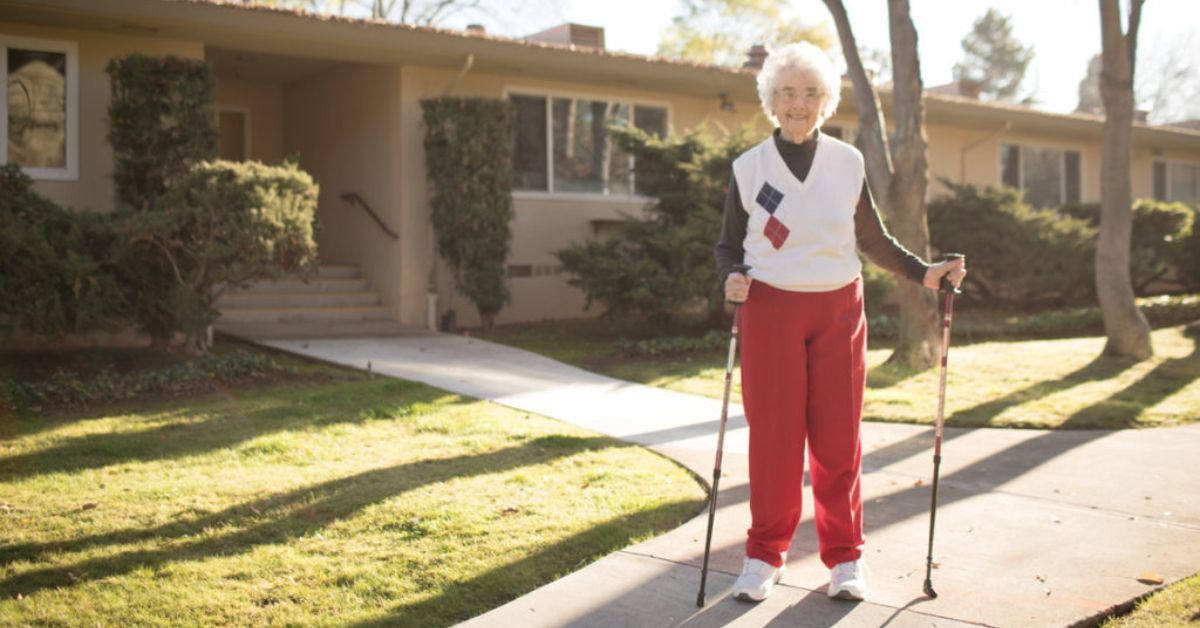
Gratitude does something remarkable at the neurological level: it literally rewires your brain, creating more space for optimism, peace and resilience. Yet gratitude becomes even more powerful during major life transitions. When you’re navigating the move to independent living, gratitude shifts focus from what you’ve left behind to what you’re gaining, and that shift changes everything.
This guide from an independent living community in Cupertino, CA, explores how intentional gratitude practices create measurable improvements in emotional health, physical well-being and relationships. Understanding this connection helps you approach your next chapter with intention and joy.
The Neuroscience of Gratitude During Transitions
Life changes trigger uncertainty. Moving to independent living brings excitement and legitimate anxiety simultaneously. Gratitude directly addresses this vulnerability.
How Gratitude Rewires Your Brain
When you practice appreciation, you strengthen neural pathways associated with positivity, resilience and social connection. Regular gratitude practice measurably increases activity in brain regions governing emotion regulation, meaning you become better equipped to handle stress and challenge.
Neurologically, gratitude does two things: it reduces activity in the amygdala (your brain’s alarm system) and increases activity in the prefrontal cortex (your executive reasoning center). The result: you feel calmer and think more clearly during transitions.
Emotional Resilience Through Intentional Focus
New surroundings and routines inevitably feel disorienting. Gratitude helps you focus on what remains meaningful like your values, relationships, and freedoms rather than dwelling on what’s different. This mental shift lifts your mood while strengthening your ability to navigate change.
Individuals who practice gratitude regularly experience measurably lower levels of anxiety and depression. A thankful mindset builds emotional strength, essential for facing aging with confidence rather than fear. This strength helps you recover quickly from setbacks, recognizing challenges as temporary rather than permanent.
How Gratitude Reduces Stress and Protects Your Health
Gratitude doesn’t just affect your mood. It measurably transforms your physiology.
The Nervous System Reset
Gratitude significantly reduces stress, which contributes to high blood pressure, heart disease and cognitive decline. Thankfulness works as a powerful stress-reduction tool, redirecting your body’s attention from threat to safety.
Practicing gratitude creates measurable physiological changes:
- Lower stress hormones and improved sleep quality
- Reduced heart rate and blood pressure
- Slower breathing patterns, creating calm for both body and mind
- Reduced inflammatory markers linked to chronic disease
- Better immune function through balanced stress hormones
These aren’t marginal benefits. They’re the difference between merely aging and aging with vitality.
Sleep Quality and Cardiovascular Health
Sleep quality suffers during transitions. Gratitude practice before bedtime reduces pre-sleep anxiety and promotes calm. Research demonstrates that gratitude interventions improved both sleep duration and quality while boosting energy recovery compared to control groups.
This matters profoundly. Better sleep strengthens immunity, improves cognitive function and supports emotional regulation, all protective factors during major life changes.
Sharper Memory and Cognitive Protection
Gratitude specifically enhances memory, attention and problem-solving abilities. Regular practice helps protect against cognitive decline by fostering positive mindsets and reducing chronic stress.
The mechanism is straightforward: grateful reflection strengthens healthy neural connections to past and present experiences, improving both memory recall and mental sharpness. During aging, this cognitive protection becomes increasingly valuable.
Gratitude Strengthens Social Connection
The social benefits of gratitude may be most important during transitions.
Creating Ripple Effects of Kindness
When you express gratitude you create psychological safety. People feel seen. They respond with reciprocal kindness. This positive cycle creates supportive networks that prevent isolation. Grateful people maintain stronger connections with others. They’re more responsive to social overtures, more likely to participate in community activities, more open to deepening friendships. These behaviors naturally attract connection.
Gratitude as Communication
Expressing thanks to a staff member who remembers your preferences, to a neighbor who invited you to an activity,or to friends who supported your transition reinforces relationships. These expressions matter more than you might realize.
Quick expressions of gratitude trigger feel-good neurochemicals: oxytocin (the bonding hormone), serotonin (the mood regulator) and dopamine (the pleasure chemical). You feel better. The recipient feels valued. The relationship deepens.
Five Daily Practices for Cultivating Gratitude and Joy
These practices work immediately and require minimal time. Consistency matters more than complexity.
1. Keep a Gratitude Journal With Specificity
Choose a notebook or digital app. Each morning and evening, record three specific things you’re grateful for. The key: skip generic lists. Write “Maria’s laugh during our coffee this morning” rather than “friends.” Write “the way sunlight hit the fountain during my walk” rather than “nature.”
Specificity matters. Detailed gratitude creates deeper emotional resonance and stronger memory encoding. Your brain notices more positive moments throughout the day when you’re actively recording specific ones.
2. Express Gratitude to Someone Daily
Make it intentional. Thank a staff member, appreciate a neighbor, acknowledge a friend. Try replacing “sorry” with “thank you;” for instance, say “thank you for waiting” instead of “sorry I’m late.” Write brief thank-you notes to community members or care team staff.
These expressions create dual benefits: you feel more grateful, and recipients feel valued. The relationship strengthens on both sides.
3. Practice Mindful Breathing and Gratitude Meditation
Gratitude meditation lowers heart rate and activates brain regions that regulate emotions. Try this simple practice: place one hand on your chest, one on your stomach. Inhale slowly for four counts, then exhale for four counts while noticing the physical sensation.
During the exhale, mentally name something you’re grateful for. This combines breathwork with gratitude, amplifying both benefits. Even five minutes daily creates measurable changes in stress and emotional regulation.
4. Reflect on Three Good Things Before Sleep
Before bed, mentally review your day and identify three positive experiences—however small. This evening routine creates better sleep while building emotional strength. Research shows that ending your day with gratitude shifts your focus toward what’s working rather than what’s challenging.
This practice combats the brain’s natural negativity bias—our tendency to remember problems more vividly than positive moments. Intentional evening reflection counteracts this pattern.
5. Connect With Nature or Spend Time With Animals
The natural world brings immediate peace and presence. At Sunny View’s 12-acre campus, you have ready access to gardens, walking paths and outdoor spaces. Just a few minutes in natural settings creates measurable changes: lower blood pressure, reduced stress hormones, improved mood.
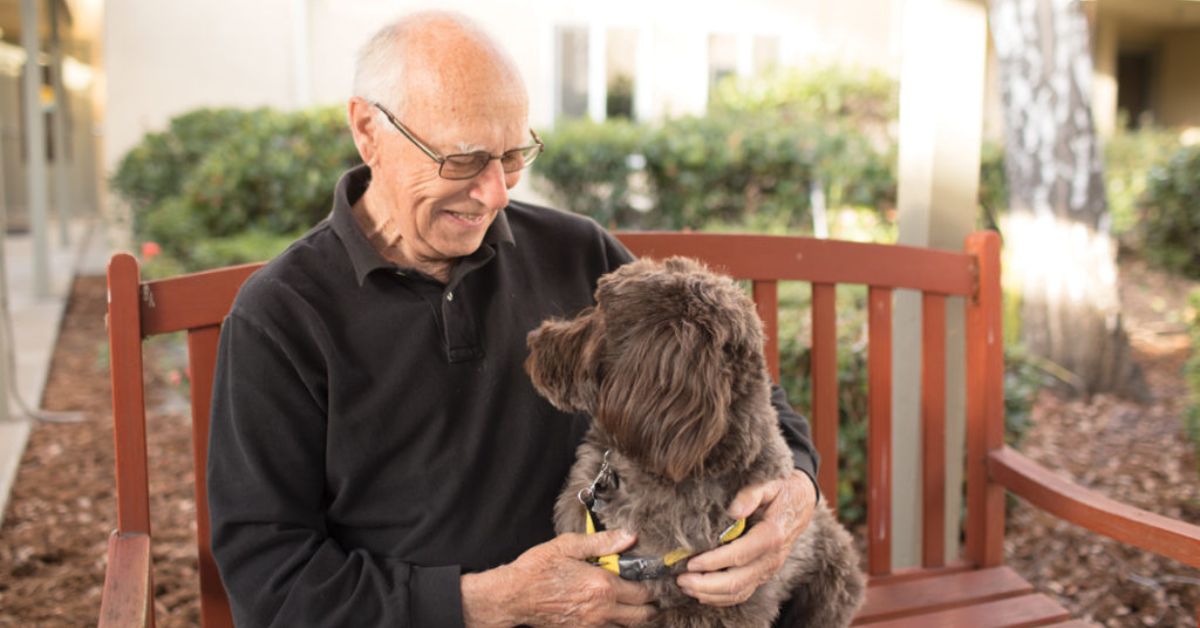
Similarly, time with pets, whether your own or community animals, creates powerful stress reduction. Animal companionship triggers oxytocin and reduces cortisol, your body’s primary stress hormone.
Why Gratitude Works Particularly Well at Sunny View
Sunny View’s environment is deliberately designed to support gratitude practices. The 12-acre campus with majestic sycamore trees, shaded pathways, tranquil fountains and beautiful gardens provides natural sources of appreciation. Staff who know you personally create opportunities for expressing and receiving thanks.
Most importantly, Sunny View’s community culture values gratitude. When residents arrive with intentional appreciation practices, they integrate faster, build deeper friendships and experience measurably better emotional health outcomes.
The daily structure of meals, activities, wellness programs, and social gatherings creates multiple touchpoints for noticing and expressing gratitude. A thoughtful conversation over dinner. A staff member’s kindness. A neighbor’s invitation. The beauty of a Cupertino sunset. These moments accumulate, building a foundation of appreciation.
Gratitude as Your Transition Tool
Moving to independent living is significant. Yet gratitude transforms how you experience this transition. Rather than focusing on loss, you notice gains: freedom from home maintenance, built-in community, access to activities and wellness programs, professional support, meaningful connections. This reframing doesn’t deny what you’ve left behind. It simply recognizes that this next chapter brings genuine benefits worth appreciating.
Start practicing gratitude now, before your move. Notice how your mood shifts. Observe how others respond when you express appreciation. Experience how your sleep improves and your anxiety decreases. These benefits compound, creating momentum toward your transition.
The residents who thrive fastest at Sunny View are those who arrive with gratitude already woven into their daily practice. They notice beauty in their surroundings. They appreciate the staff and neighbors. They focus on what brings meaning and joy. This mindset shapes their entire experience. Your gratitude practice today sets the foundation for tomorrow’s joy, resilience and genuine connection in the community..
To schedule your personalized tour at Sunny View, call us (408) 454-5600
Frequently Asked Questions
Q: How does gratitude specifically help during the transition to independent living?
Gratitude shifts your mental focus from what you’ve left behind to what you’re gaining—freedom from home maintenance, community, built-in social opportunities, professional support. This reframing creates emotional resilience and reduces the anxiety common during major life changes. Additionally, gratitude literally rewires your brain, reducing stress hormones and activating emotion-regulation centers. The neurological changes support emotional stability during transitions.
Q: When should I start practicing gratitude—before or after moving?
Start now. Practicing gratitude before your move allows you to experience its benefits immediately—better sleep, lower anxiety, improved mood. These early experiences build confidence in the practice. When you arrive at your new community with an established gratitude habit, you integrate faster and build deeper friendships. The momentum you create before moving carries through the transition.
Q: What’s the difference between generic gratitude and the specific approach you recommend?
Specificity matters neurologically. Writing “I’m grateful for friends” creates surface-level processing. Writing “I’m grateful for Maria’s laugh during coffee this morning” engages deeper emotional and memory centers. Your brain forms stronger neural connections around detailed gratitude, creating more lasting benefits. Specificity also makes gratitude feel authentic rather than forced.
Q: Can gratitude actually improve my physical health?
Yes, measurably. Research shows that regular gratitude practice reduces stress hormones, lowers blood pressure and heart rate, improves sleep quality and duration, enhances immune function, and reduces inflammatory markers linked to chronic disease. These aren’t marginal benefits—they’re significant health improvements. Gratitude is both a mental health practice and a physical health intervention.
Q: Is Sunny View the right community for me?
If you value intentional living, community connection, beautiful natural surroundings and evidence-based wellness practices, Sunny View aligns with those priorities. The community’s 12-acre campus, staff culture and programming are designed to support gratitude and joy. We recommend visiting to experience the environment firsthand. Speak with current residents about how gratitude and appreciation have shaped their lives here. Notice how you feel walking these grounds.
Read Our Front Porch Blogs
Investing in community: the story of David and Jane Kretzmann

Front Porch Podcast – Episode 8: Belonging: The Heart of Community—with Arthur Liggins & Candace Young-Schult