June 19, 2026
Memory Care and the Comfort of Sensory Connection
When families begin exploring memory care in Orange County, CA, practical concerns often guide the conversation.
Is staff available around the clock?
How are medications managed?
What happens as memory loss progresses and daily routines become more difficult to maintain?
These are important questions, and they deserve thoughtful answers. Yet beneath those logistical concerns lies another question that many families carry quietly:
Will My Loved One Still Feel Like Themselves Here?
Memory loss can change the way a person communicates, processes information, and experiences the world around them. But even as words become more difficult to find and familiar routines become harder to follow, the need for comfort, connection, and emotional well-being remains.
That is why many of today’s most effective memory care programs place a strong emphasis on sensory engagement—creating opportunities for residents to connect with meaningful experiences that transcend cognitive decline.
Why Sensory Experiences Matter in Memory Care
While dementia often affects short-term memory and verbal communication, sensory experiences are processed differently within the brain.
Research has shown that sound, touch, scent, and visual cues are closely linked to areas responsible for emotional memory. As a result, individuals living with dementia may struggle to recall recent events while still responding deeply to familiar music, comforting textures, or meaningful scents from earlier stages of life.
Families frequently witness these moments firsthand.
A father who can no longer participate in lengthy conversations may begin tapping his fingers to a jazz standard he loved decades ago.
A mother who becomes anxious in the afternoon may visibly relax while folding freshly laundered towels or sitting near the calming scent of lavender.
Someone who struggles to recognize names may still smile at the sound of birds singing outside an open window.
These moments may seem small, but they are profoundly significant. They remind us that meaningful connection can continue even when traditional forms of communication become more challenging.
What Sensory-Based Memory Care Really Means
Sensory-focused memory care is not about constant stimulation or keeping residents busy at all times. In fact, the opposite is often true.
The goal is to create an environment that minimizes confusion, reduces anxiety, and promotes a greater sense of comfort through familiar experiences and thoughtful design.
This may include:
- Soft, comfortable lighting rather than harsh or overly bright spaces
- Quiet areas designed to reduce overstimulation
- Familiar music incorporated into daily routines
- Opportunities to engage with art, nature, and tactile activities
- Consistent schedules that foster emotional security and predictability
Some memory care communities offer dedicated sensory rooms, while others integrate sensory support throughout everyday life. Regardless of the approach, the objective remains the same: helping residents feel calm, engaged, and connected to their surroundings.
The Lasting Importance of Personal History
One of the hallmarks of exceptional memory care is recognizing that a resident’s life story remains important, even when memories become difficult to access.
Quality care begins by understanding who a person has always been—not simply addressing their diagnosis.
A retired teacher may continue to find joy in reading aloud.
A lifelong gardener may respond positively to outdoor spaces, flowers, and familiar scents.
A former musician may connect more deeply through melody than through conversation.
Even long-established routines can provide meaningful comfort. Some individuals prefer quiet mornings with a cup of coffee and time to themselves. Others thrive when they begin the day with activity and social interaction.
When caregivers understand these personal preferences, support becomes more individualized, respectful, and effective.
This is why family involvement is so important.
Beyond medical information, families can help caregivers understand the details that make someone unique:
- Favorite foods and meals
- Lifelong habits and daily routines
- Meaningful songs and musical preferences
- Spiritual or cultural traditions
- Hobbies and personal interests
- Personality traits and social preferences
- Activities that bring comfort and reassurance
These details do more than guide care plans. They help preserve a sense of identity and belonging.
Because while memory loss may change many aspects of daily life, it does not eliminate a person’s need to feel known, understood, and valued.
What Families Should Look for During a Memory Care Tour
When evaluating memory care options in Orange County, it is important to look beyond amenities and marketing materials.
Pay close attention to how the community feels during everyday interactions.
Do residents appear comfortable and engaged?
Do staff members communicate with patience, warmth, and respect?
Does the environment feel calm and welcoming, or rushed and overwhelming?
The strongest memory care communities often feel less like institutions and more like supportive environments built around dignity, reassurance, and meaningful human connection.
Consider asking questions such as:
- How do you support residents who experience anxiety or confusion?
- How do you learn about each resident’s personal history and preferences?
- How are families involved in ongoing care discussions?
- What role do sensory experiences play in daily programming?
- How do care plans evolve as residents’ needs change over time?
The answers to these questions can reveal far more about the quality of care than a list of amenities ever could.
A More Human Approach to Memory Care
Choosing memory care is one of the most significant decisions a family can make. While safety and clinical support are essential, emotional well-being is equally important.
The right environment can create more moments of peace, more opportunities for meaningful connection, and a greater sense of comfort for both residents and the families who love them.
For those exploring memory care in Orange County, CA, communities such as Walnut Village offer personalized, relationship-centered approaches designed to support both comfort and quality of life throughout the memory care journey.
To learn more about memory care options or schedule a visit, call Walnut Village at (714) 507-7000.
FAQs
Q1.Can sensory experiences help someone living with dementia feel calmer? Yes. Familiar sounds, scents, textures, and routines often remain emotionally meaningful even when other forms of memory become impaired. Sensory experiences can help reduce anxiety, promote relaxation, and create moments of comfort and connection.
Q2.What should families look for during a memory care tour? Families should focus on the overall atmosphere of the community. Observe whether residents appear comfortable, whether staff interactions are patient and respectful, and whether the environment feels thoughtfully designed to support residents’ emotional and physical well-being.
Q3.Why does music often help people experiencing memory loss? Music is strongly connected to emotional memory. Songs associated with meaningful life experiences often remain recognizable even in later stages of dementia, helping individuals feel calmer, more engaged, and more connected to the people around them.
Read Our Front Porch Blogs
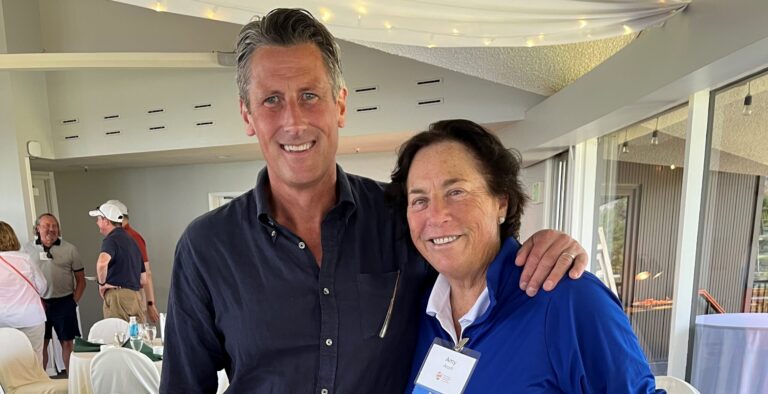
LPGA Hall of Famer Amy Alcott Named First-Ever Front Porch Ambassador

Older Americans Month 2026: Championing Your Health at Front Porch